Perennials
Heuchera, Genus, sanguinea, Species,
- Genus & species
Coral bells
Southern Arizona, southern New Mexico, and northern Mexico
Overview
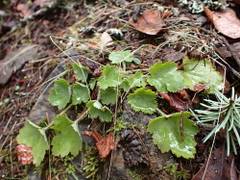
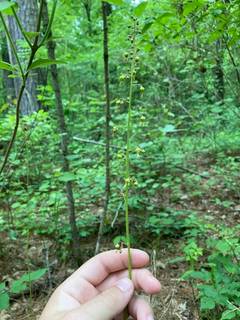
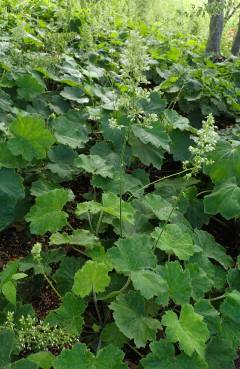
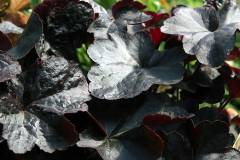
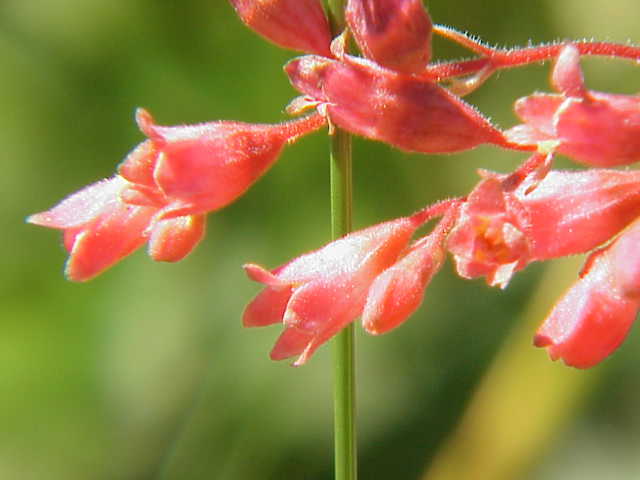
Heuchera sanguinea is a clump-forming, evergreen to semi-evergreen perennial in the saxifrage family (Saxifragaceae). Basal leaves form a mound 6–10 inches (15–25 cm) tall and 12–18 inches (30–45 cm) wide. Each leaf is rounded to kidney-shaped, 1–3 inches (2.5–7.5 cm) across, with 5–7 shallow, toothed lobes, dark green and often marbled with paler green or silver along the veins. Leafless flower stems rise 12–24 inches (30–60 cm) above the foliage, carrying narrow panicles of small, bell-shaped flowers, each 0.25–0.3 inch (6–8 mm) long, in coral to deep red. Stems arise from a woody, slowly spreading rootstock that gradually lifts above the soil surface as it ages, so plants lose vigor and require division every 3–4 years. Plants are short-lived in hot, humid summers and in soils that stay wet through winter, where crown rot develops. The species is the parent of many hybrid cultivars grown for leaf color, and these hybrids differ from the species in foliage color and in hardiness. Seeds are very small, about 0.02 inch (0.5 mm), and are produced in capsules after the flowers fade. Flowers are visited by hummingbirds and by small bees.
Native Range
Heuchera sanguinea is native to the mountains of southern Arizona, southern New Mexico, and northern Mexico, at elevations of about 4,000–9,000 feet (1,200–2,700 m). It grows on shaded, rocky slopes, cliff ledges, and canyon walls, often in crevices with thin soil.Suggested Uses
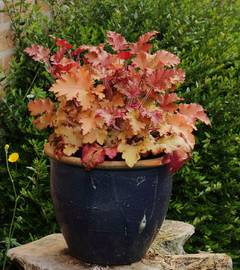
Used at the front of shaded borders, in woodland edge plantings, and in rock gardens, spaced 12–18 inches (30–45 cm) apart. Also grown in containers 10–12 inches (25–30 cm) wide. Cut flower stems last 5–7 days in water.How to Identify
Appearance
Size & Dimensions
Height1' - 2'
Width/Spread1' - 1'6"
Bloom Information
Flowers open in late spring and continue through summer, from May to August in most climates, for 8–12 weeks. Spent flower stems cut back to the base can trigger a second, smaller flush in cool summers. Flowers are bell-shaped, coral to crimson, and are visited by hummingbirds.
Detailed Descriptions
Flower Description
Coral to crimsonFoliage Description
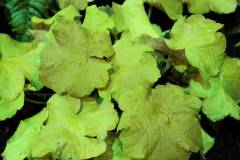
Dark green with pale marblingGrowing Conditions
Sun Requirements
Requires 3-6 hours of direct sunlight daily
• Full Sun: 6+ hours of direct sunlight
• Partial Shade: 3-6 hours of direct sunlight
• Full Shade: Less than 3 hours of direct sunlight
Care & Maintenance
Care Guide
Grows in part shade to part sun, with 4–6 hours of direct sun in cool climates and morning sun only in warm ones. Soil is moist but sharply drained, rich in organic matter, with a pH of 6.0–7.5. Water needs are medium, about 1 inch (2.5 cm) weekly, and crowns rot where soil remains saturated in winter. Hardiness is USDA zones 3–8. The rootstock lifts above the soil over several years; mounding 1–2 inches (2.5–5 cm) of compost or soil over the exposed crown in spring covers it, and plants are divided every 3–4 years. Vine weevil larvae feed on roots and are a common pest in container plantings.Pruning
Spent flower stems are cut at the base after blooming, which tidies the plant and can prompt additional flowers. Tattered or winter-damaged leaves are removed in early spring before new growth emerges. Division is done in spring or early autumn, replanting each rooted section with the crown at soil level.Pruning Schedule
Prune: March–April & June–July
early springsummer
Container Growing
Suitable for container growing
Minimum container size: 1 gallons