Image 1 of 8
1 / 8
Plant Reference
Cupressus, Genus, macrocarpa, Species, 'Goldcrest', Cultivar,
- Genus & species
- Cultivar
goldcrest monterey cypress
Monterey Peninsula, California (species)
Overview
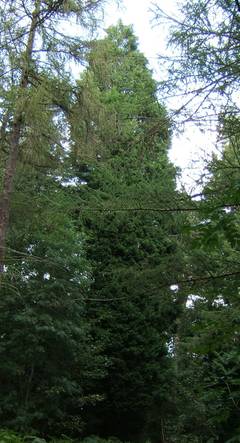
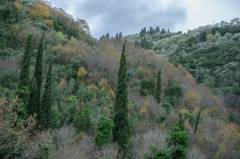
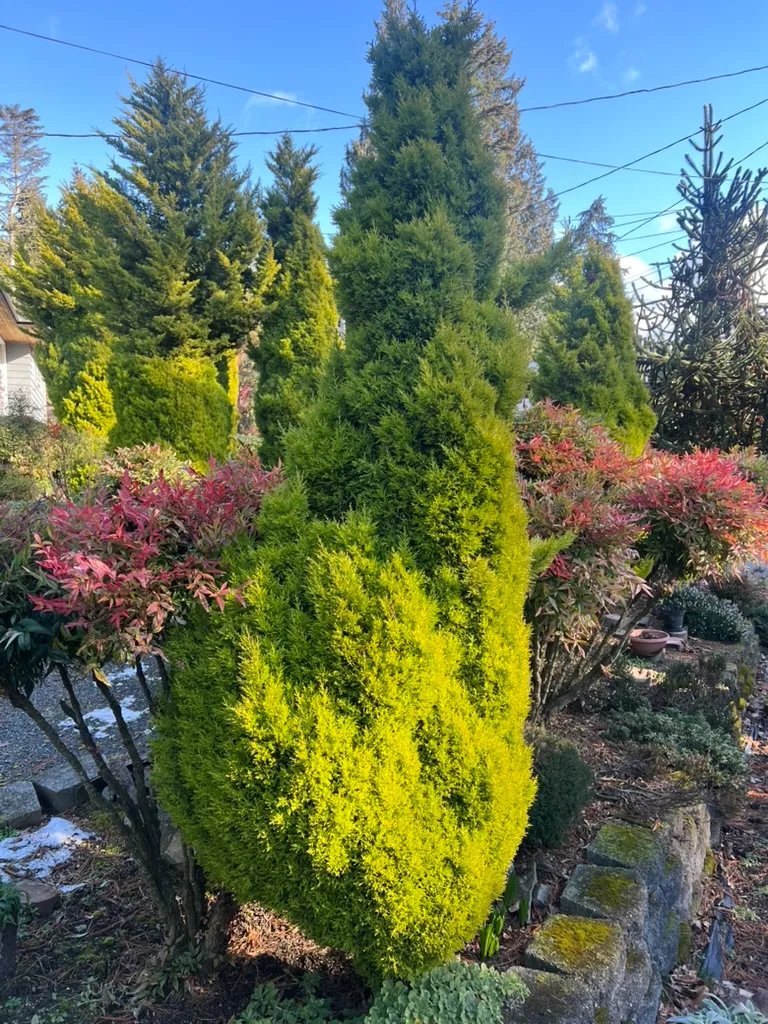
Cupressus macrocarpa 'Goldcrest' is a golden-foliaged cultivar of Monterey cypress reaching 72–180 inches (180–450 cm) tall and 36–72 inches (90–180 cm) wide in a narrow columnar habit. Foliage is scale-like, tightly held against the stems, and golden-yellow when grown in 6 or more hours of direct sun; partial shade shifts color toward lime-green or olive. Crushed or brushed foliage releases a lemon scent. Bark is reddish-brown and fibrous, peeling in vertical strips on older trees. Cones are round, 0.5–1 inch (1–3 cm), green ripening to brown over 18–24 months. Growth rate is moderate to fast at 12–24 inches (30–60 cm) per year. The species C. macrocarpa occurs naturally only on the Monterey Peninsula of central California in two coastal groves totaling about 10,000 wild trees. In humid climates such as the southeastern United States (zones 8–9 with summer humidity above 70%), the cultivar is short-lived at 8–15 years due to susceptibility to cypress canker (Seiridium cardinale) and Phytophthora root rot. Lifespan extends to 30–50 years in Mediterranean and dry-summer climates that match the species' native conditions. Wind-tolerant; deer-resistant; non-toxic.
Native Range
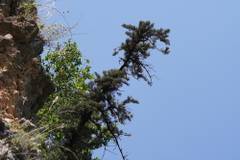
The species C. macrocarpa is native to two coastal groves on the Monterey Peninsula of central California, near Cypress Point and Point Lobos State Reserve, growing on granite headlands and weathered slopes within 1,000 feet (300 m) of the Pacific coast. The wild population totals approximately 10,000 trees and is restricted to elevations below 200 feet (60 m). The cultivar 'Goldcrest' originated in cultivation in the United Kingdom in the 1940s.Suggested Uses
Grown as a specimen, hedge, or container plant in zones 7–10 with full sun exposure, spaced 36–48 inches (90–120 cm) apart for screens. In containers of at least 5 gallons (19 L) for patio use; container plants typically reach 36–72 inches (90–180 cm). Sold in small sizes in the nursery trade as a tabletop or potted seasonal plant. Shorter-lived in humid southeastern climates.How to Identify
Appearance
Size & Dimensions
Height6' - 15'
Width/Spread3' - 6'
Bloom Information
Inconspicuous male and female cones develop on the same tree in spring. Male cones release pollen in March–April; female cones ripen over 18–24 months from green to brown, reaching 0.5–1 inch (1–3 cm). The golden lemon-scented evergreen foliage persists year-round.
Detailed Descriptions
Foliage Description
Golden-yellow, scale-like, lemon-scented when crushedGrowing Conditions
Sun Requirements
Requires 6-10 hours of direct sunlight daily
• Full Sun: 6+ hours of direct sunlight
• Partial Shade: 3-6 hours of direct sunlight
• Full Shade: Less than 3 hours of direct sunlight
Care & Maintenance
Care Guide
Plant in 6 or more hours of direct sun for golden color; foliage shifts to lime-green or olive in partial shade. Tolerates a soil pH range of 5.5–8.0 in well-drained loam or sandy soils; standing water causes Phytophthora root rot. Once established (typically after the first growing season), water needs drop to occasional deep irrigation during prolonged drought. In humid climates with summer humidity above 70%, lifespan averages 8–15 years due to cypress canker (Seiridium cardinale) and root rot; in Mediterranean and dry-summer climates such as coastal California, lifespan extends to 30–50 years. Hardy in USDA zones 7–10, with foliage damage at temperatures below 0°F (−18°C). Deer browse is rare.Pruning
The columnar form develops without shearing. Damaged or browned branches can be removed at any time by cutting back to live green growth. Wood with no green foliage does not regenerate, so cuts deeper than the live foliage zone leave permanent bare patches.Container Growing
Suitable for container growing
Minimum container size: 5 gallons