Hepatica, Genus, nobilis, Species,
- Genus & species
liverleaf
Europe — Scandinavia south to the Mediterranean and east to the Urals; deciduous woodlands, especially calcareous soils
Overview
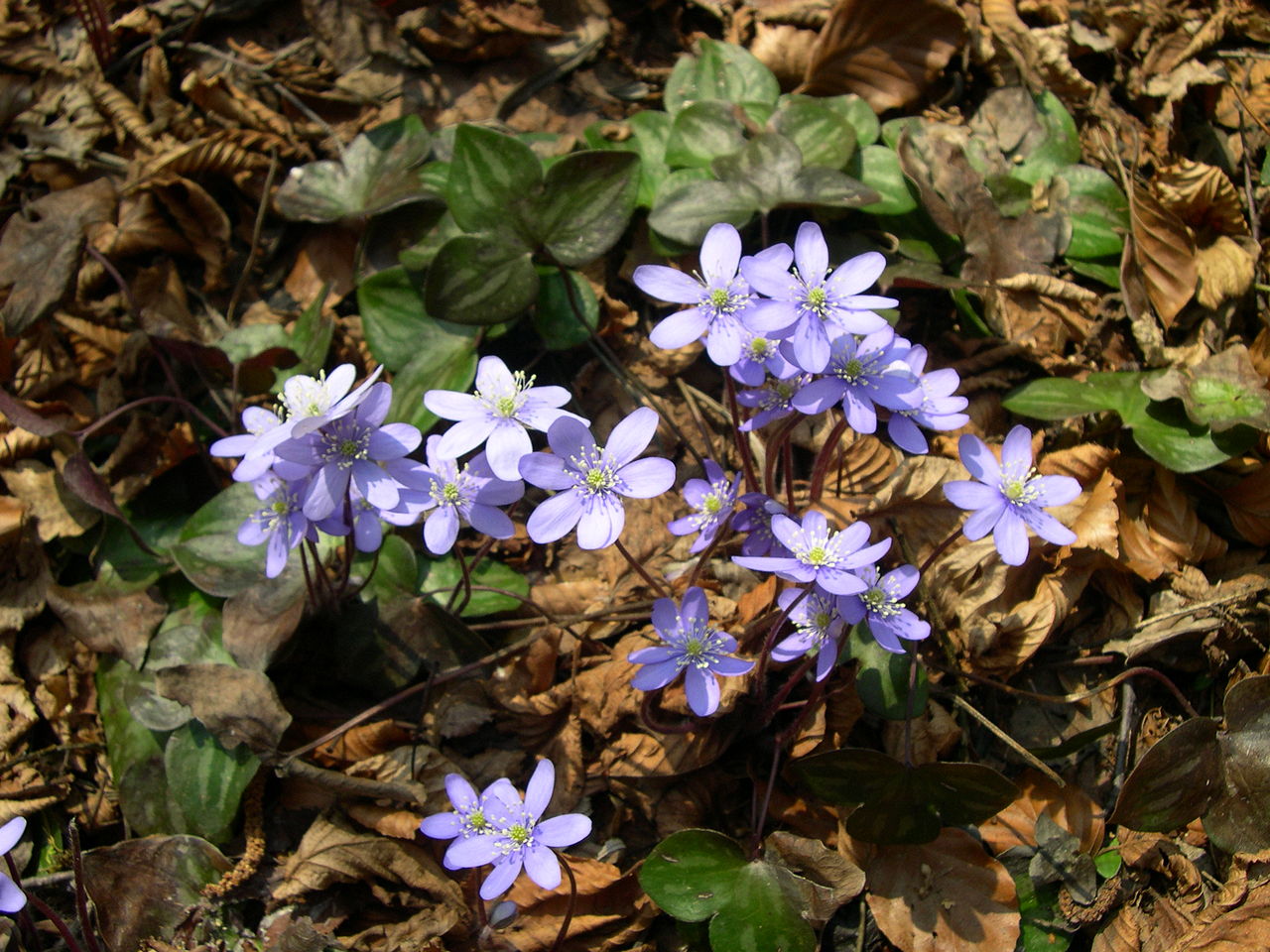
Hepatica nobilis (syn. Anemone hepatica) is a low, clump-forming semi-evergreen perennial reaching 4–6 inches (10–15 cm) tall with a spread of 6–9 inches (15–23 cm). Flowers appear from February through April, typically before the new leaves emerge, measuring 0.5–1 inch (1.2–2.5 cm) across with 6–10 petal-like sepals in blue, purple, pink, or white surrounding a central boss of white stamens; there are no true petals. Bloom duration is 3–5 weeks. The three-lobed, leathery leaves are liver-shaped (the source of both the common and scientific names), dark green above and often purplish beneath, and overwinter from the previous year's growth. New leaves emerge after flowering. Growth rate is slow, with 2–3 years to flowering size from established divisions. Hardy in USDA zones 4–8. Transplant establishment is slow, self-seeding produces gradual colonies rather than quick coverage, and flower color is highly variable from seed.
Native Range
Hepatica nobilis is native across Europe from Scandinavia south to the Mediterranean and east to the Ural Mountains, in deciduous woodland understory and on shaded slopes, particularly on calcareous (limestone-derived) soils.Suggested Uses
Planted in woodland gardens, shade borders, and rock gardens at 6–9 inch (15–23 cm) spacing, and in containers of 1 gallon (3.8 L) or larger. Flowering in February–April fills a seasonal gap before most perennials emerge. The small size and slow growth suit close-viewing positions along paths and among rocks. Self-seeds slowly to form naturalized colonies over years rather than seasons. The species is not suited to dry soils, full sun, heavily mulched beds that bury the flower buds, or positions subject to frequent soil disturbance.How to Identify
Appearance
Size & Dimensions
Height4" - 6"
Width/Spread6" - 9"
Bloom Information
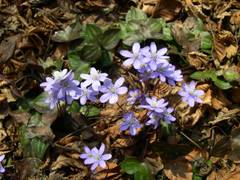
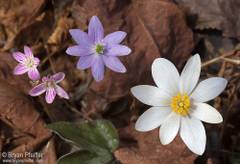
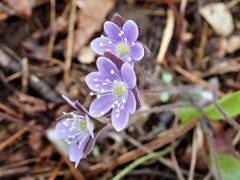
Produces flowers 0.5–1 inch (1.2–2.5 cm) across with 6–10 petal-like sepals in blue, purple, pink, or white surrounding a boss of white stamens, on slender hairy stems from February through April. Flowers open before the new leaves emerge, so the display sits against overwintering foliage or bare litter. Bloom duration is 3–5 weeks. Flower color varies plant-to-plant from seed.
Detailed Descriptions
Flower Description
Variable — blue, purple, pink, or white; 6–10 petal-like sepals with central white-stamen boss; 0.5–1 inch (1.2–2.5 cm) acrossFoliage Description
Dark green above, often purplish beneath; three-lobed, liver-shaped; leathery; overwintering from previous yearGrowing Conditions
Sun Requirements
Requires 2-4 hours of direct sunlight daily
• Full Sun: 6+ hours of direct sunlight
• Partial Shade: 3-6 hours of direct sunlight
• Full Shade: Less than 3 hours of direct sunlight
Care & Maintenance
Care Guide
Plant in partial to full shade in humus-rich, well-drained, neutral to alkaline loam or chalky soil at pH 6.5–8.0. Hardy in USDA zones 4–8. Deciduous woodland conditions with winter and early spring light followed by summer shade suit the species. Transplant establishment is slow, and plants recover gradually from disturbance, so a permanent position is needed. Overwintering leaves should remain on the plant until new foliage is fully expanded, since they continue to photosynthesize and support the early bloom cycle. A thin leaf-litter mulch is tolerated, though heavy mulch can smother the emerging flower buds.Pruning
Remove old overwintering leaves in May once the new foliage is fully expanded. No other pruning is needed. Seed is allowed to set for gradual self-seeding, which produces variable flower colors in seedlings.Pruning Schedule
Prune: May
late spring
Container Growing
Suitable for container growing
Minimum container size: 1 gallons