Handroanthus, Genus, spp., Multiple species,
- Genus
- Multiple species
Tropical and subtropical America (Mexico to Argentina)
Overview
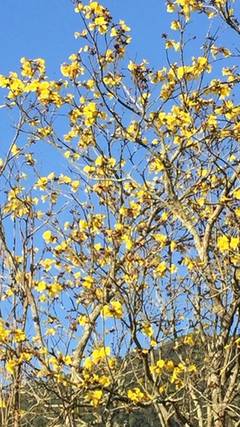
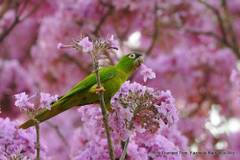
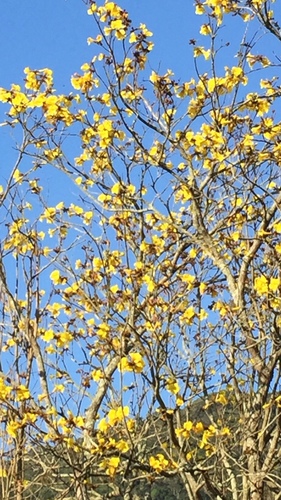
Handroanthus is a genus of about 30 species of deciduous trees in the family Bignoniaceae, native to seasonally dry and moist forests of tropical and subtropical America. The genus was separated from Tabebuia and includes the hardwood timber trees known as ipe or lapacho. Trees range from 20 to 100 feet (6-30 m) tall depending on species and site, with straight trunks and dense, rounded to spreading crowns. Leaves are opposite and palmately compound, usually with five to seven toothed leaflets radiating from a central stalk. Most species drop their leaves in the dry season and flower while bare, producing masses of trumpet-shaped blooms 1.5-4 inches (4-10 cm) long in yellow, pink, magenta, or white according to species. Flowering can last one to three weeks and draws bees and other insects. The fruit is a slender dry capsule 4-12 inches (10-30 cm) long that splits to release many winged, papery seeds. The wood, sold as ipe, is very dense and rot-resistant, widely cut for decking and outdoor structures, and heavy logging has reduced wild populations of several species. Most species are frost-sensitive and grow only in tropical, subtropical, and frost-free warm-temperate climates.
Native Range
Handroanthus is native to tropical and subtropical America, from Mexico and the Caribbean through Central America to Argentina. The genus reaches its greatest diversity in Brazil, where H. impetiginosus and related species are widespread. H. chrysotrichus and other yellow-flowered species are emblematic of Brazilian and Paraguayan landscapes.Suggested Uses
Handroanthus is planted as a flowering street and park tree in tropical and subtropical cities. The dense ipe timber is cut for decking, flooring, and outdoor construction. Several species serve as nectar sources for bees during their flowering flush.How to Identify
Appearance
Size & Dimensions
Height20' - 100'
Width/Spread15' - 40'
Bloom Information
Most species flower in the dry season, often late winter to spring, while the tree is leafless. Flowering lasts roughly one to three weeks and can recur in flushes after dry spells. Yellow-flowered species such as H. chrysotrichus typically bloom earlier than the pink-flowered H. impetiginosus in the same region.
Detailed Descriptions
Flower Description
yellow, pink, magenta, or whiteFoliage Description
greenGrowing Conditions
Sun Requirements
Requires 6-12 hours of direct sunlight daily
• Full Sun: 6+ hours of direct sunlight
• Partial Shade: 3-6 hours of direct sunlight
• Full Shade: Less than 3 hours of direct sunlight
Care & Maintenance
Care Guide
Handroanthus species grow in full sun on deep, well-drained soil and develop a strong taproot. Young trees grow at a moderate rate and need even moisture, while established trees withstand seasonal drought. The genus is frost-sensitive, with most species hardy only in USDA zones 9b to 11, though a few tolerate brief light frost. Soil pH from about 5.5 to 7.5 suits most species. Branches can be brittle in storms, and trees cast heavy leaf and capsule litter. Few pests trouble the genus, but root rot follows poorly drained or waterlogged soil.Pruning
Young trees are trained to a single leader, with lower branches cleared to lift the crown. Crossing or weak limbs are removed in the dry season to reduce storm breakage. Mature trees need little routine cutting beyond deadwood removal.Pruning Schedule
winter