Handroanthus, Genus, impetiginosus, Species,
- Genus & species
pink trumpet tree
Mexico through Central and South America to Argentina
Overview
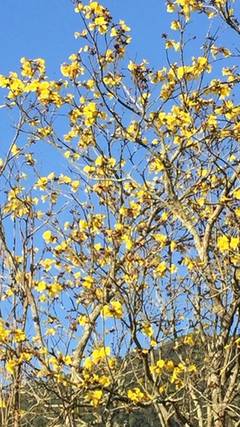
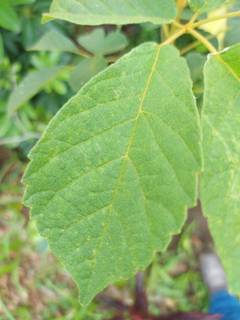
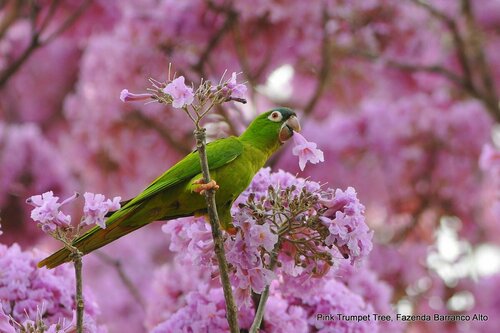
Handroanthus impetiginosus (formerly Tabebuia impetiginosa) is the pink trumpet tree (ipê-roxo), growing 180–420 inches (450–1,050 cm) tall and 120–240 inches (300–600 cm) wide. Pink to lavender-pink trumpet-shaped flowers 2–3 inches (5–7 cm) in dense clusters covering the bare leafless branches in late winter to early spring — the pink counterpart to the golden H. chrysotrichus. The brief flowering period at 2–3 weeks creates a concentrated mass of pink on bare branches. Dark green palmately compound leaves with 5 leaflets 2–5 inches (5–13 cm) emerge after flowering ends. In the trumpet vine family (Bignoniaceae). Formerly classified as Tabebuia impetiginosa. The extremely dense heartwood (specific gravity 1.05 — it sinks in water) is sold as lapacho or pau d'arco and has been used in South American ethnobotany; the inner bark is brewed as a tea (taheebo). The wood is rot-resistant and used for decking and outdoor construction. Native from Mexico through Central and South America to Argentina — a wider native range than H. chrysotrichus (Brazil only). Long thin seed pods 8–16 inches (20–40 cm) split to release winged seeds. Deciduous — drops leaves before the pink flowering display. Drought-tolerant once established. Frost-tender: foliage damage at 28°F (−2°C). Full sun (6+ hours). Hummingbird-visited. Non-toxic. Growth rate is moderate. Zones 9–11.
Native Range
Native from Mexico through Central America and South America to Argentina, with the widest natural range of the ipê group. Grows in tropical dry forests and cerrado.Suggested Uses
Grown as a specimen or street tree in zones 9–11 with space for the 120–240 inch (300–600 cm) canopy. Full sun. The brief pink flower mass on bare branches is the seasonal display. Drought-tolerant. Non-toxic. Hummingbird-visited.How to Identify
Appearance
Size & Dimensions
Height15' - 35'
Width/Spread10' - 20'
Bloom Information
Detailed Descriptions
Flower Description
Pink to lavender-pink, trumpet-shapedFoliage Description
Dark green, palmately compound with 5 leafletsGrowing Conditions
Sun Requirements
Requires 6-10 hours of direct sunlight daily
• Full Sun: 6+ hours of direct sunlight
• Partial Shade: 3-6 hours of direct sunlight
• Full Shade: Less than 3 hours of direct sunlight
Care & Maintenance
Care Guide
Full sun (6+ hours). Drought-tolerant once established. Frost-tender at 28°F (−2°C). Brief but concentrated pink flowering on bare branches. Formerly classified as Tabebuia. Non-toxic. Hummingbird-visited. Zones 9–11.Pruning
Prune for shape after flowering in spring. Train with a central leader for structural strength. Remove dead, crossing, or inward-growing branches. Minimal pruning needed once established.Pruning Schedule
Prune: April–May
spring