Handroanthus, Genus, chrysotrichus, Species,
- Genus & species
golden trumpet tree
Overview
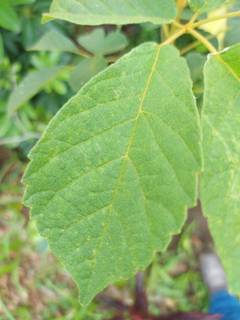
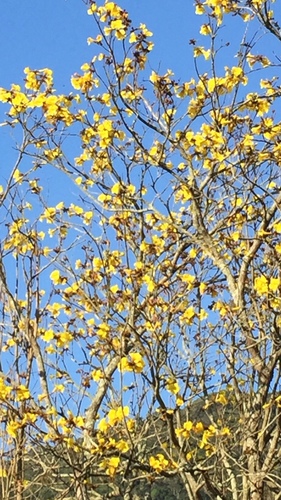
Handroanthus chrysotrichus (formerly Tabebuia chrysotricha) is the golden trumpet tree (ipê-amarelo), growing 180-360 inches (450-900 cm) tall and 120-240 inches (300-600 cm) wide. Bright golden-yellow trumpet-shaped flowers 2-3 inches (5-7 cm) in dense clusters covering the bare leafless branches in late winter to early spring — the brief but intense flowering period lasts 2-3 weeks. The golden flower mass on bare branches is the display feature. Dark green palmately compound leaves with 5 leaflets 2-4 inches (5-10 cm) emerge after flowering. The species name 'chrysotrichus' means 'golden-haired,' referring to the golden-brown pubescence (short hairs) on the calyx and young stems. In the trumpet vine family (Bignoniaceae). The Handroanthus genus (formerly Tabebuia) includes the ipê trees of Brazil — the yellow-flowered ipê (ipê-amarelo) is informally considered Brazil's national tree. Long thin seed pods 6-12 inches (15-30 cm) split open to release winged seeds. Deciduous — drops leaves before flowering, and the brief leafless flowering period creates the concentrated color display. Native to Brazil. Drought-tolerant once established. Frost-tender: foliage damage at 28°F (-2°C). Full sun (6+ hours). Hummingbird-visited. Non-toxic. Growth rate is moderate. Zones 9-11.
Native Range
Native to Brazil, growing in the Atlantic Forest and cerrado (savanna) regions. The ipê genus is informally considered Brazil's national tree.Suggested Uses
Grown as a specimen or street tree in zones 9-11 with space for the 120-240 inch (300-600 cm) canopy. Full sun. The brief golden flower mass on bare branches is the seasonal display. Drought-tolerant. Non-toxic. Hummingbird-visited.How to Identify
Appearance
Size & Dimensions
Height15' - 30'
Width/Spread10' - 20'
Bloom Information
Detailed Descriptions
Flower Description
Bright golden-yellow, trumpet-shapedFoliage Description
Dark green, palmately compound with 5 leafletsGrowing Conditions
Sun Requirements
Requires 6-10 hours of direct sunlight daily
• Full Sun: 6+ hours of direct sunlight
• Partial Shade: 3-6 hours of direct sunlight
• Full Shade: Less than 3 hours of direct sunlight
Care & Maintenance
Care Guide
Full sun (6+ hours). Drought-tolerant once established. Frost-tender at 28°F (-2°C). Brief but intense flowering on bare branches. Long thin seed pods follow. Formerly classified as Tabebuia. Non-toxic. Hummingbird-visited. Zones 9-11.Pruning
Pruning for shape happens after flowering in spring. Training with a central leader supports structural strength. Dead, crossing, or inward-growing branches are removed. Minimal pruning is needed once established.Pruning Schedule
Prune: April–May
spring