Glebionis, Genus, spp., Multiple species,
- Genus
- Multiple species
crown daisy
Overview
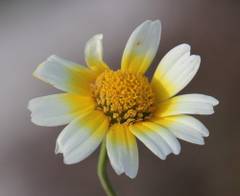
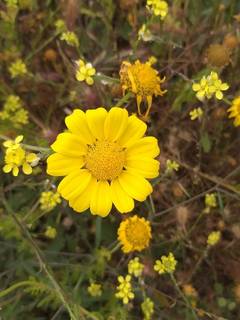
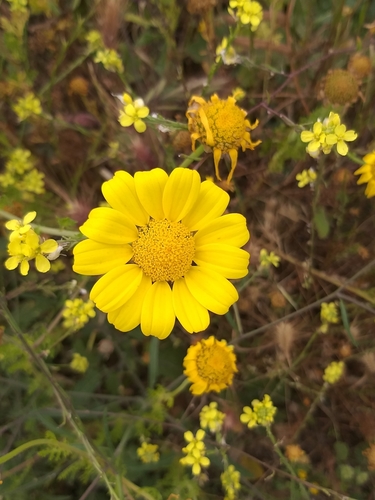
Glebionis is a small genus of two or three species of annual herbs in the daisy family, Asteraceae, native to the Mediterranean region and now naturalized across many temperate and subtropical areas. The genus was split from Chrysanthemum and includes the crown daisy G. coronaria, grown both as a flower and as the edible leafy green known as shungiku or garland chrysanthemum, and the corn marigold G. segetum, a golden-flowered weed of grain fields. Plants are erect, branching, and 1-3 ft (30-90 cm) tall, with soft, deeply lobed or feathery leaves and somewhat fleshy stems. The daisy-like flower heads are 1-2.5 in (2.5-6 cm) across, with bright yellow ray florets in G. segetum and yellow, cream, or bicolored white-and-yellow rays in G. coronaria, surrounding a yellow central disc. Flowering runs from late spring through summer, and plants seed freely. Glebionis grows quickly in full sun and ordinary, well-drained soil, tolerating poor ground but running to flower and then dying within a single season. The leaves of G. coronaria are harvested young, as they turn bitter and tough once the plant flowers, and self-sown seedlings can become weedy in mild climates.
Native Range
Glebionis is native to the Mediterranean Basin of southern Europe, North Africa, and western Asia. The plants grow in open, disturbed ground, on cultivated and fallow fields, roadsides, and waste places, and G. segetum in particular has spread as a weed of grain crops across Europe and beyond.Suggested Uses
Glebionis is grown in annual borders, cutting gardens, wildflower and meadow mixes, and, in the case of G. coronaria, in vegetable gardens for its edible leaves and flowers. The crown daisy is a common leafy green in East Asian cooking, used in soups and stir-fries. The bright daisy flowers draw bees and other pollinators.How to Identify
Appearance
Size & Dimensions
Height1' - 3'
Width/Spread8" - 1'6"
Bloom Information
Glebionis flowers from late spring through summer, generally May to September, the heads opening over many weeks on branching stems. In mild climates and from successive sowings, bloom can extend into autumn. Plants flower freely and then die after setting seed.
Detailed Descriptions
Flower Description
yellow, sometimes white-and-yellowFoliage Description
greenGrowing Conditions
Sun Requirements
Requires 6-12 hours of direct sunlight daily
• Full Sun: 6+ hours of direct sunlight
• Partial Shade: 3-6 hours of direct sunlight
• Full Shade: Less than 3 hours of direct sunlight
Water & Climate
Water Needs
Drought Tolerance
Drought tolerant when established
Care & Maintenance
Care Guide
Grow Glebionis in full sun in ordinary, well-drained soil of low to moderate fertility, where seed is sown directly in spring. Plants grow quickly, tolerate poor and dry soils, and need little feeding, though even moisture keeps the edible leaves of G. coronaria tender. Sow in succession every few weeks for a continued supply of greens or flowers, since each plant is short-lived. Harvest the leaves of G. coronaria young, before flowering turns them bitter and coarse. In warm climates self-sown seedlings can spread, so some seed heads are removed to limit volunteers. Aphids are the main pest, and crowded, damp plantings can develop downy mildew.Pruning
Glebionis needs no pruning as an annual. Pinching young plants once encourages branching and more flowers, and removing faded heads prolongs bloom and limits self-seeding. Whole plants are pulled once they finish flowering and set seed.Container Growing
Suitable for container growing
Minimum container size: 2 gallons