Chrysanthemum, Genus,
- Genus
chrysanthemums
Eastern Asia and northeastern Europe
Overview
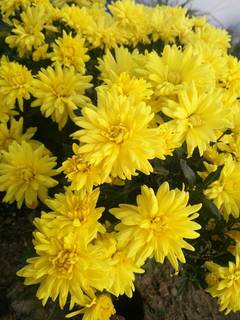
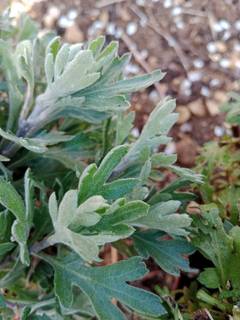
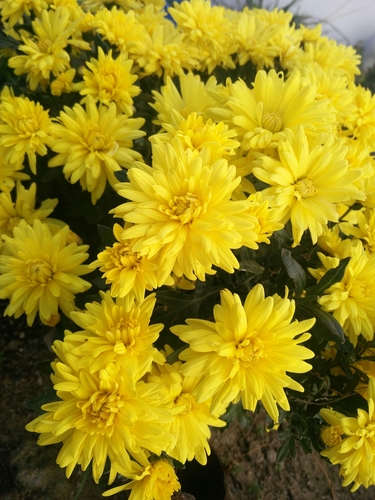
Chrysanthemum is a genus of about 40 species of herbaceous perennials and subshrubs in the daisy family (Asteraceae), native to eastern Asia and northeastern Europe and long cultivated in China and Japan. Plants grow 1–4 feet (30–120 cm) tall on branching stems with lobed, often aromatic leaves in green to grey-green. The flower heads measure 1–6 inches (2.5–15 cm) across and range from single daisies with a central disc to fully doubled pompon, spider, and incurve forms developed through centuries of breeding. Colors include yellow, white, pink, red, orange, and purple. Most garden chrysanthemums derive from C. morifolium and its hybrids, while species such as C. indicum contribute to the breeding lines. Flowering is triggered by the shortening days of late summer and autumn, with bloom from August into November in temperate gardens. Plants are frost-hardy in much of zones 5–9, though shallow roots heave in freeze-thaw cycles without winter cover. The foliage contains compounds that deter deer and many insects. Dried flower heads of related species are the source of the insecticide pyrethrum.
Native Range
The genus is native to eastern Asia, centered in China, Korea, and Japan, with a few species reaching northeastern Europe. Chrysanthemum grows on slopes, meadows, and rocky ground in temperate climates. Cultivated forms have been selected in East Asia for more than a thousand years.Suggested Uses
Chrysanthemum is grown in autumn borders, cutting gardens, and containers, spaced 18–24 inches (45–60 cm) apart. The late flowers extend color into autumn and hold up as cut stems. Compact cushion forms fill seasonal containers, while taller florists' types are grown for cut flowers.How to Identify
Appearance
Size & Dimensions
Height1' - 4'
Width/Spread1' - 3'
Colors
Bloom Information
Flowering responds to the shortening days of late summer and autumn, opening from August into November depending on cultivar and climate. Each plant carries its display for six to eight weeks, with the heads holding color as nights cool. Early frosts shorten the season in colder zones.
Detailed Descriptions
Flower Description
yellow, white, pink, red, orange, and purpleFoliage Description
green to grey-greenGrowing Conditions
Sun Requirements
Requires 6-10 hours of direct sunlight daily
• Full Sun: 6+ hours of direct sunlight
• Partial Shade: 3-6 hours of direct sunlight
• Full Shade: Less than 3 hours of direct sunlight
Care & Maintenance
Care Guide
Plants grow in full sun on fertile, well-drained loam or sandy soil at a pH of 6.0–7.0, with steady moisture through the growing season. Pinching the stems through early summer produces bushy plants with many flower stems. Shallow roots dry out quickly, so even watering matters during dry spells. In cold zones a winter mulch limits frost heave, and dividing clumps every two to three years keeps them vigorous. Aphids, leaf miners, and powdery mildew are the main problems under crowded or damp conditions.Pruning
Pinching the growing tips every few weeks until midsummer produces compact, branching plants and more flower buds. Removal of faded heads through autumn keeps new buds opening. Stems are cut to the base after flowering, and clumps are divided in spring to renew growth.Container Growing
Suitable for container growing