Chrysanthemum, Genus, ×, Hybrid, morifolium, Species,
- Genus & species
- Hybrid
garden mum
China — cultivated for 2,500+ years; hybrid origin
Overview
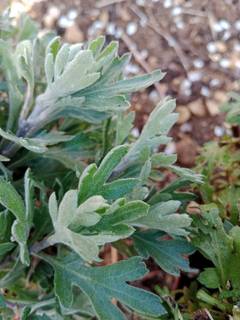
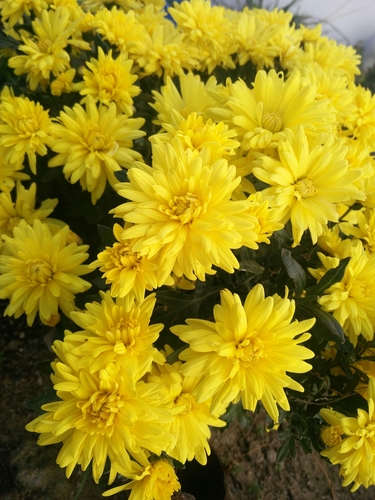
Chrysanthemum × morifolium is a deciduous herbaceous perennial reaching 12-36 inches (30-90 cm) tall and 18-30 inches (45-75 cm) wide depending on cultivar. Habit mounding to upright, with stems branching from the base; mature clumps form rounded crowns 2-4 weeks before flowering. Foliage compound or deeply lobed, 2-4 inches (5-10 cm) long, mid-green with grey-green undersides; foliage is aromatic when crushed. Flower heads composite (daisy-form), 1-6 inches (2.5-15 cm) across depending on form (button, decorative, spider, anemone, pompon, spoon), in white, yellow, gold, bronze, red, pink, and purple. Bloom begins in late summer and continues 6-10 weeks until first hard frost. Plants set viable seed only on outcrossed cultivars; most C. × morifolium plants are propagated vegetatively to maintain cultivar identity. Crown hardiness varies among cultivars, with garden-type mums hardy to zone 5 and florist-type mums hardy only to zone 7-8. All parts contain pyrethrins and sesquiterpene lactones; ingestion can cause vomiting in pets, and skin contact can produce dermatitis in sensitive individuals.
Native Range
C. × morifolium is a hybrid complex with no wild origin; the species emerged from crosses among native East Asian Chrysanthemum species (chiefly C. indicum and C. zawadskii) developed in China beginning more than 2,500 years ago. Hybrid forms were refined in Japan from the 4th century onward as the imperial flower (the Chrysanthemum Throne). No naturalized populations occur outside cultivation.Suggested Uses
Massed in autumn perennial borders at 18-24 inch (45-60 cm) spacing in zones 5-9. Grown as fall-replacement annuals at 12-15 inch (30-38 cm) spacing in regions where winter survival is unreliable. Container culture is workable in pots of 1-2 gallons (4-8 L); container plants typically flower 2-3 weeks earlier than in-ground plants.How to Identify
Appearance
Size & Dimensions
Height1' - 3'
Width/Spread1'6" - 2'6"
Bloom Information
August through November in zones 5-7, beginning 4-6 weeks earlier in zones 8-9. Bloom is photoperiodic, triggered by night length exceeding 9-10 hours; outdoor flowering occurs after the autumnal equinox in temperate latitudes. Individual flowers last 2-4 weeks; total bloom duration 6-10 weeks per plant. First hard frost typically ends bloom and damages above-ground growth.
Detailed Descriptions
Flower Description
White, yellow, gold, bronze, red, pink, purple (cultivar-dependent)Foliage Description
Mid-green with grey-green undersides; aromatic when crushedGrowing Conditions
Sun Requirements
Requires 6-12 hours of direct sunlight daily
• Full Sun: 6+ hours of direct sunlight
• Partial Shade: 3-6 hours of direct sunlight
• Full Shade: Less than 3 hours of direct sunlight
Care & Maintenance
Care Guide
Water 1 inch (2.5 cm) per week during the growing season, applied at the base of plants; overhead irrigation increases foliar disease. Pinch new growth twice between mid-May and early July to a height of 6 inches (15 cm); the second pinch should occur no later than 100 days before first expected frost, or bloom will be delayed. Apply a balanced 10-10-10 fertilizer at half-strength monthly from May through July, then stop to permit flower bud formation. Aphids cluster on tender new growth in spring and on flower buds; spider mites appear in hot dry conditions. Powdery mildew develops in humid weather with poor airflow; cosmetic on most cultivars. Divide every 2-3 years in early spring to retain vigor and prevent crown decline.Pruning
Pinch new shoots back to 6 inches (15 cm) at 30-day intervals from May through early July to encourage branching and denser bloom. Cut stems to 4-6 inches (10-15 cm) above ground level after the first hard frost in autumn, or leave standing through winter and remove in early spring. Disbud large-flowered exhibition cultivars to a single terminal bud per stem; this produces fewer but larger flowers, with bloom diameter 5-7 inches (12.5-18 cm).Pruning Schedule
Prune: May–July & November
late springsummerfall
Container Growing
Suitable for container growing
Minimum container size: 1 gallons