Glandularia, Genus, bipinnatifida, Species,
- Genus & species
Dakota mock vervain
south-central United States and northern Mexico
Overview
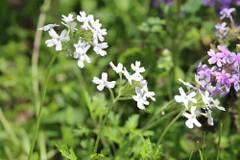
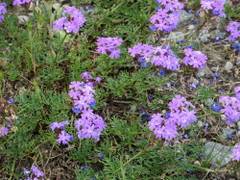
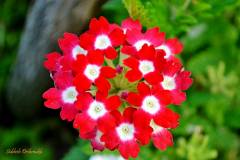
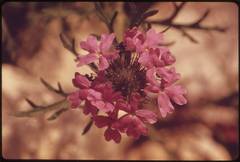
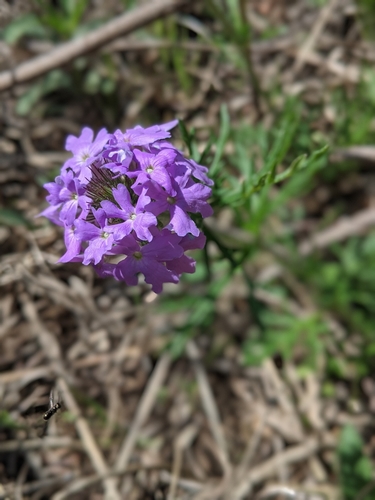
Glandularia bipinnatifida is a low, spreading perennial in the Verbenaceae growing 6-12 inches (15-30 cm) tall and 12-24 inches (30-60 cm) wide, with trailing stems that root at the nodes. The leaves are deeply twice-divided into narrow segments, giving a finely dissected appearance, and are covered in short hairs. Rounded clusters of small tubular flowers, each about 0.5 inch (1.3 cm) across, open in shades of pink to purple from spring through fall. The species is short-lived, often persisting two to three years, though it self-seeds and re-roots from trailing stems to maintain a patch. It is drought-tolerant once established and grows in poor, sandy, or rocky soils, but rots in heavy, wet ground and declines in shade. Flowering is heaviest in spring and slows during the hottest weeks, resuming as temperatures moderate. Hardy in USDA zones 4-9, it grows as a perennial in mild regions and is sometimes planted as an annual in colder areas. Native to the south-central United States and northern Mexico, Glandularia bipinnatifida is used in dry borders, rock gardens, and pollinator plantings.
Native Range
Glandularia bipinnatifida is native to the south-central United States and northern Mexico, from the Great Plains south into Texas and adjacent Mexican states. It grows on prairies, plains, roadsides, and open rocky ground.Suggested Uses
Used as a groundcover in dry borders, rock gardens, and gravel plantings, and in pollinator and native gardens. The low, spreading habit suits the front edge of beds and the tops of walls.How to Identify
Appearance
Size & Dimensions
Height6" - 1'
Width/Spread1' - 2'
Bloom Information
Pink to purple flower clusters open from spring through fall, typically April to October, with the heaviest display in spring. Flowering slows during the hottest part of summer and resumes as nights cool. Each cluster opens its flowers from the outer ring inward over one to two weeks.
Detailed Descriptions
Flower Description
pink to purpleFoliage Description
greenGrowing Conditions
Sun Requirements
Requires 6-10 hours of direct sunlight daily
• Full Sun: 6+ hours of direct sunlight
• Partial Shade: 3-6 hours of direct sunlight
• Full Shade: Less than 3 hours of direct sunlight
Care & Maintenance
Care Guide
Glandularia bipinnatifida grows in full sun and needs well-drained soil with a pH of 6.0-7.5. Sandy, loamy, or rocky soils suit it, while heavy, wet ground causes crown and root rot. Established plants tolerate drought and need only occasional deep watering in extended dry spells. The species is short-lived but renews itself by self-seeding and by rooting along trailing stems. Shearing the plant after the main spring flush removes spent flowers and encourages a second round of bloom. It needs little fertilizer and declines in rich, moist soil.Pruning
Shear lightly after the main spring flowering to remove spent clusters and prompt rebloom. Trailing stems that root can be trimmed to hold the patch within bounds. Cut back frost-damaged growth in early spring in regions where the plant overwinters.Pruning Schedule
Prune: June
summer
Container Growing
Suitable for container growing
Minimum container size: 2 gallons