Overview
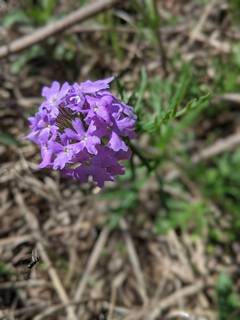
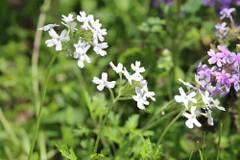
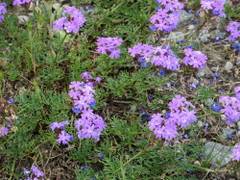
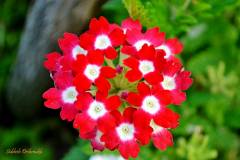
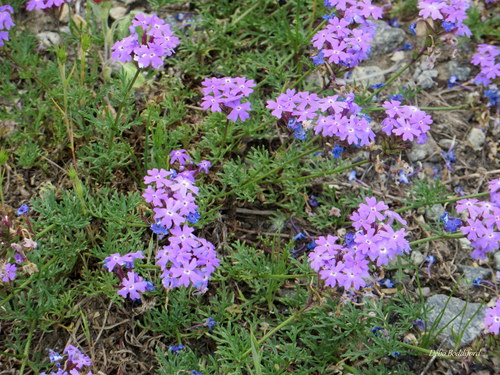
Glandularia is a genus of about 100 species of low, spreading perennials and subshrubs in the verbena family (Verbenaceae), separated from Verbena and often still sold under that name. Plants grow 6–18 inches (15–45 cm) tall and spread 12–36 inches (30–90 cm) wide on trailing stems that root where they touch moist ground. The leaves are opposite, toothed or deeply cut, and green to dark green. Small five-lobed flowers about 0.4 inch (10 mm) across are packed into flat or dome-shaped clusters in purple, pink, red, blue, and white, opening over a long season from spring into autumn. The genus is native to North, Central, and South America, growing in prairie, scrub, and rocky open ground. Plants withstand heat and drought once established and flower most heavily in full sun. In cold-winter regions the perennial species are grown as annuals or overwintered under cover. Poorly drained soil and persistent wet foliage lead to root rot and powdery mildew. G. canadensis and hybrid bedding selections are among the forms grown for ground cover and container edging.
Native Range
The genus is native to the Americas, ranging from the United States through Mexico and Central America into South America. Glandularia grows in prairie, scrub, rocky slopes, and disturbed open ground. Plants favor warm, sunny sites with sharp drainage.Suggested Uses
Glandularia is grown as ground cover, in rock gardens, and as edging in containers and raised beds, spaced 12–18 inches (30–45 cm) apart. The flat flower clusters draw butterflies and other pollinators through the warm season. Trailing stems spill over walls and container rims.How to Identify
Appearance
Size & Dimensions
Height6" - 1'6"
Width/Spread1' - 3'
Bloom Information
Flowering runs from spring into autumn, roughly April through October in warm climates, with peak bloom in early summer. The flat clusters open over many weeks as new buds form at the center. Bloom slows in extreme heat and resumes as temperatures ease.
Detailed Descriptions
Flower Description
purple, pink, red, and whiteFoliage Description
green to dark greenGrowing Conditions
Sun Requirements
Requires 6-12 hours of direct sunlight daily
• Full Sun: 6+ hours of direct sunlight
• Partial Shade: 3-6 hours of direct sunlight
• Full Shade: Less than 3 hours of direct sunlight
Water & Climate
Water Needs
Drought Tolerance
Drought tolerant when established
Care & Maintenance
Care Guide
Plants grow in full sun on free-draining sand, loam, or rocky soil at a pH of 6.0–7.5. Established plants withstand heat and drought, while wet, heavy soil causes root rot. Watering at the base rather than overhead reduces powdery mildew on the foliage. Trailing stems root as they spread and can be lifted and divided to renew aging clumps. Light shearing after the first flush of bloom brings on a fresh round of flowers.Pruning
Shearing plants back by about one third after the first flush keeps them compact and renews flowering. Removal of faded clusters through the season lengthens bloom. Rooted trailing stems are lifted and replanted to fill gaps or replace worn centers.Container Growing
Suitable for container growing