Overview
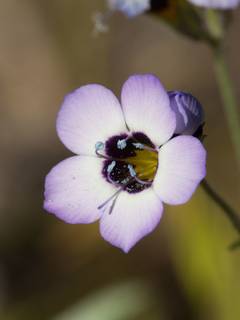
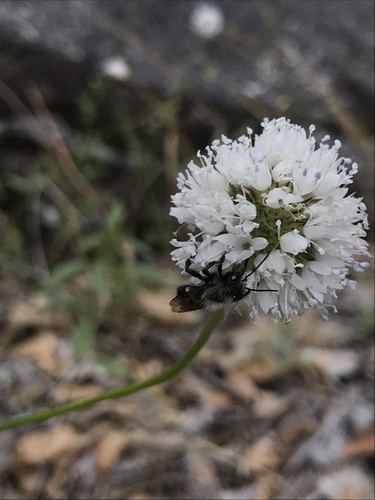
Gilia capitata is an annual wildflower in the phlox family, growing 1-3 ft (30-90 cm) tall on slender, branching stems. The lower leaves are finely divided into thread-like segments, giving a soft, ferny look, and become smaller up the stem. From May to July each stem tip carries a dense, rounded head about 1 in (2.5 cm) across, packed with 50 to 100 small, pale blue to lavender-blue flowers with protruding blue stamens. The globe-shaped heads draw bees, butterflies, and other pollinators through early summer. After bloom the heads dry to small seed capsules that release tiny seed. The plant grows in open, sunny ground in chaparral openings, grasslands, burned areas, and on rocky or sandy slopes across western North America. As an annual it germinates with autumn or winter rains, flowers, and dies by midsummer, returning from self-sown seed. It tolerates poor, dry soils but flowers poorly in shade or rich, wet ground. It resembles other gilias but is told apart by its dense, globe-shaped blue flower heads.
Native Range
Gilia capitata is native to western North America, from British Columbia south through Washington, Oregon, and California to Baja California, and east into the northern Rockies. It grows in grasslands, chaparral openings, burned ground, and on rocky or sandy slopes.Suggested Uses
Gilia capitata is used in wildflower meadows, pollinator plantings, cottage borders, and native seed mixes for its blue early-summer heads. Its flowers support bees and butterflies, and it works as a cut flower. It suits sunny, low-water gardens and disturbed or restored ground.How to Identify
Appearance
Size & Dimensions
Height1' - 3'
Width/Spread6" - 1'
Bloom Information
Detailed Descriptions
Flower Description
pale blue to lavender-blueFoliage Description
greenGrowing Conditions
Sun Requirements
Requires 6-12 hours of direct sunlight daily
• Full Sun: 6+ hours of direct sunlight
• Partial Shade: 3-6 hours of direct sunlight
• Full Shade: Less than 3 hours of direct sunlight
Water & Climate
Water Needs
Drought Tolerance
Drought tolerant when established
Care & Maintenance
Care Guide
Gilia capitata grows in full sun on light, well-drained sandy or loamy soils and needs little water once growing. As a hardy annual it is sown from seed in autumn or early spring directly where it is to flower. It tolerates poor, dry soils and dislikes rich, wet ground and shade. No winter care applies in mild areas, where autumn-sown plants overwinter as small rosettes. It self-sows freely where soil stays open, returning each year. Thinning crowded seedlings improves flowering and airflow.Pruning
Pruning is not used for this annual. Deadheading spent heads can extend bloom and limit self-seeding, while leaving late heads lets seed ripen and drop. Plants are cleared after they dry and die by midsummer.Toxicity
Non-toxicPlanting Guide
Planting Methods & Timing
Planting Method
direct sow
Direct Sow Timing
Fall or early spring
Days to Maturity
70–100 days
Plant Spacing
8 inches
Companion Planting
Good Companions