Gilia, Genus, spp., Multiple species,
- Genus
- Multiple species
gilias
Western North America and temperate South America
SunFull Sun
Overview
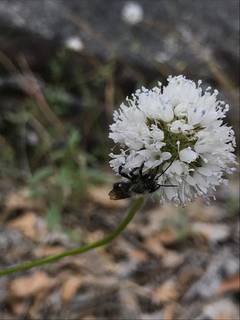
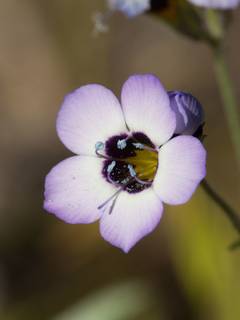
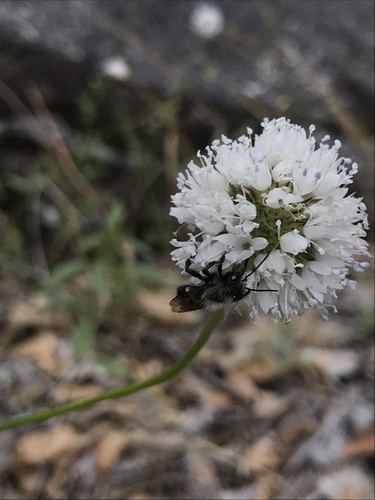
Gilia is a genus of about 25 to 50 species of annual and biennial herbs in the phlox family (Polemoniaceae), together with a few short-lived perennials. Plants form a basal rosette of pinnately divided leaves 1-6 inches (2.5-15 cm) long, from which branched flowering stems rise 4-36 inches (10-90 cm) tall. The funnel-shaped flowers measure 0.3-0.8 inch (8-20 mm) across and open in shades of blue, violet, pink, and white, often with a yellow or white throat. Most species grow in open, sandy or gravelly habitats across western North America, with a secondary centre of diversity in temperate South America. Bloom comes mainly in spring and early summer, and many species finish their life cycle before summer drought arrives. The foliage carries a resinous scent when crushed. As a group Gilia tolerates poor soils and full exposure, but it is short-lived and intolerant of wet, heavy ground, where the crowns rot. Stature and flower size vary widely among species, so performance depends on matching the species to local conditions.
Native Range
Gilia is native to western North America - particularly California, Oregon, and the Great Basin - with additional species in temperate South America, chiefly Chile and Argentina.Suggested Uses
Used in wildflower meadows, rock gardens, and dry sunny borders, and in containers of free-draining mix. Lower-growing species are spaced 6-10 inches (15-25 cm) apart as seasonal groundcover, while taller species take the middle of a sunny border. The flowers draw bees and other small pollinators.How to Identify
Appearance
Size & Dimensions
Height4" - 3'
Width/Spread4" - 1'
Bloom Information
Most Gilia species bloom from April to June, with desert annuals flowering after winter rains and montane species continuing into July. Individual flowers last a few days, and a plant stays in bloom for 3-6 weeks before setting seed. Flowering is reduced in shade or on overly rich soil.
Detailed Descriptions
Flower Description
blue, violet, pink, or whiteFoliage Description
green to grey-greenGrowing Conditions
Sun Requirements
Requires 6-12 hours of direct sunlight daily
• Full Sun: 6+ hours of direct sunlight
• Partial Shade: 3-6 hours of direct sunlight
• Full Shade: Less than 3 hours of direct sunlight
Water & Climate
Water Needs
Drought Tolerance
Drought tolerant when established
Care & Maintenance
Care Guide
Grow Gilia in full sun and sharp-draining sandy or gravelly soil with a pH near 6.0-7.5. Sow seed in autumn or early spring where the plants are to grow, since the taproot transplants poorly. Water lightly until seedlings establish, then reduce watering; settled plants withstand drought and decline in soggy ground. Lean soils need no fertilizer, and excess nitrogen produces weak, floppy stems. Most species reseed freely where the soil is left undisturbed. The crowns are prone to rot in wet winters and in heavy clay.Pruning
Pruning is generally limited to shearing spent flowering stems, which tidies the plant and in some species draws a second flush of bloom. Removing flowers before seed set reduces self-sowing where that is unwanted. Annual species are pulled once they finish their cycle.Container Growing
Suitable for container growing