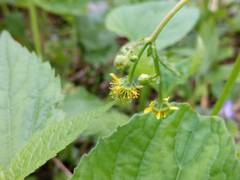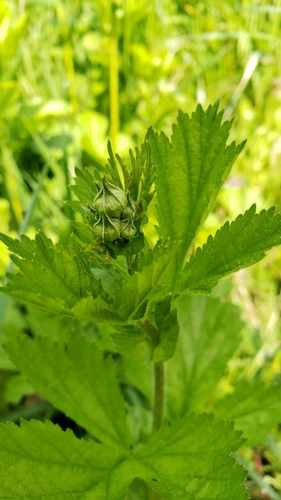
Geum, Genus, spp., Multiple species,
- Genus
- Multiple species
avens
Temperate and cold regions of both hemispheres
Overview
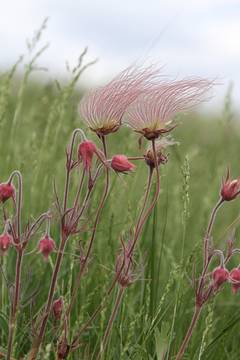
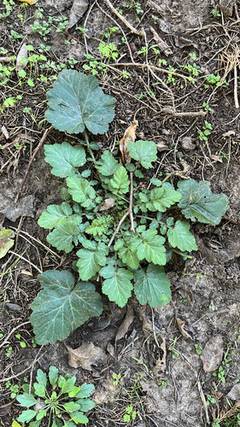
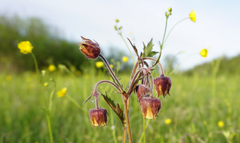
Geum is a genus of about 50 species of perennial herbs in the rose family, Rosaceae, known as avens. Plants grow from a stout rootstock into a low, often semi-evergreen basal rosette and send up wiry, branching flower stems 8 inches to 3 feet (20 to 90 cm) tall. The basal leaves are pinnately divided, with a large rounded terminal leaflet and smaller side leaflets, while the stem leaves are smaller and three-parted. Flowers have five petals, in yellow, orange, scarlet, red, or pink, 0.5 to 1.5 inches (1 to 4 cm) across, single or double in garden forms, nodding in some species and upright in others. Each flower is followed by a rounded head of dry one-seeded fruits, many tipped with a hooked or feathery style that catches on fur and clothing to spread the seed. Geum is native to the temperate and cold regions of both hemispheres, including Europe, Asia, North and South America, Africa, and New Zealand, growing in damp meadows, woodland, streamsides, and mountain slopes. Several species hybridize, and a number of long-flowering garden hybrids have come from the South American G. chiloense and related species.
Native Range
Geum is native to the temperate and cold regions of both hemispheres, with species across Europe, temperate and northern Asia, North and South America, the mountains of Africa, and New Zealand. Plants grow in moist meadows, open woodland, streambanks, marshy ground, and mountain grassland.Suggested Uses
Geum is planted at the front and middle of borders, in cottage and gravel gardens, and in damp or streamside plantings for the wet-ground species, spaced 12 to 18 inches (30 to 45 cm) apart. The airy flower stems suit weaving among other perennials, and the long bloom of the hybrids fills early-summer gaps. The flowers feed bees and the seed heads add texture.How to Identify
Appearance
Size & Dimensions
Height8" - 3'
Width/Spread1' - 1'6"
Bloom Information
Geum blooms mainly from late spring into summer, generally May through July, and many garden hybrids repeat into early autumn if old stems are removed. The five-petaled flowers open in loose, branched sprays above the foliage in yellow, orange, scarlet, or pink. Bees and hoverflies visit for pollen and nectar. Feathery or hooked seed heads follow and hold on the stems for several weeks.
Detailed Descriptions
Flower Description
yellow, orange, scarlet, red, or pinkFoliage Description
greenGrowing Conditions
Sun Requirements
Requires 4-8 hours of direct sunlight daily
• Full Sun: 6+ hours of direct sunlight
• Partial Shade: 3-6 hours of direct sunlight
• Full Shade: Less than 3 hours of direct sunlight
Care & Maintenance
Care Guide
Geum grows in full sun to partial shade and moist, fertile, well-drained soil at a pH of 5.5 to 7.5, with bog and water avens types accepting wetter ground than most. Plants flower more freely in sun but benefit from afternoon shade in hot summers, where dry soil cuts bloom short. Most species are cold hardy to USDA zones 3 to 5 and stay evergreen to semi-evergreen in mild winters. Clumps are lifted and divided every two or three years to keep them vigorous, as old centers weaken. Powdery mildew, sawfly, and root weevils occur at times. Removing spent flower stems prolongs the display and limits self-seeding.Pruning
Removing the faded flower stems of Geum at the base through the season encourages further bloom and stops heavy self-seeding. The semi-evergreen foliage is tidied in early spring, cutting away winter-damaged and dead leaves before new growth. Clumps are divided in spring or after flowering to renew tired plants.Pruning Schedule
Prune: March & July
early springsummer
Container Growing
Suitable for container growing
Minimum container size: 2 gallons