Image 1 of 15
1 / 15
Plant Reference
Gaultheria, Genus, shallon, Species,
- Genus & species
salal
Pacific Coast of North America — Alaska south through British Columbia, Washington, Oregon, to central California; coniferous forest understory, coastal bluffs, logged areas, and disturbed sites
Overview
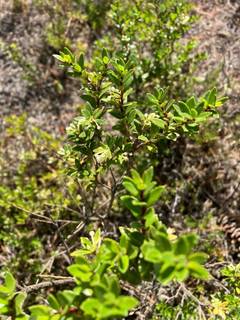
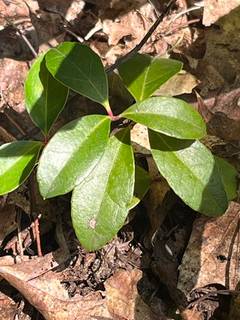
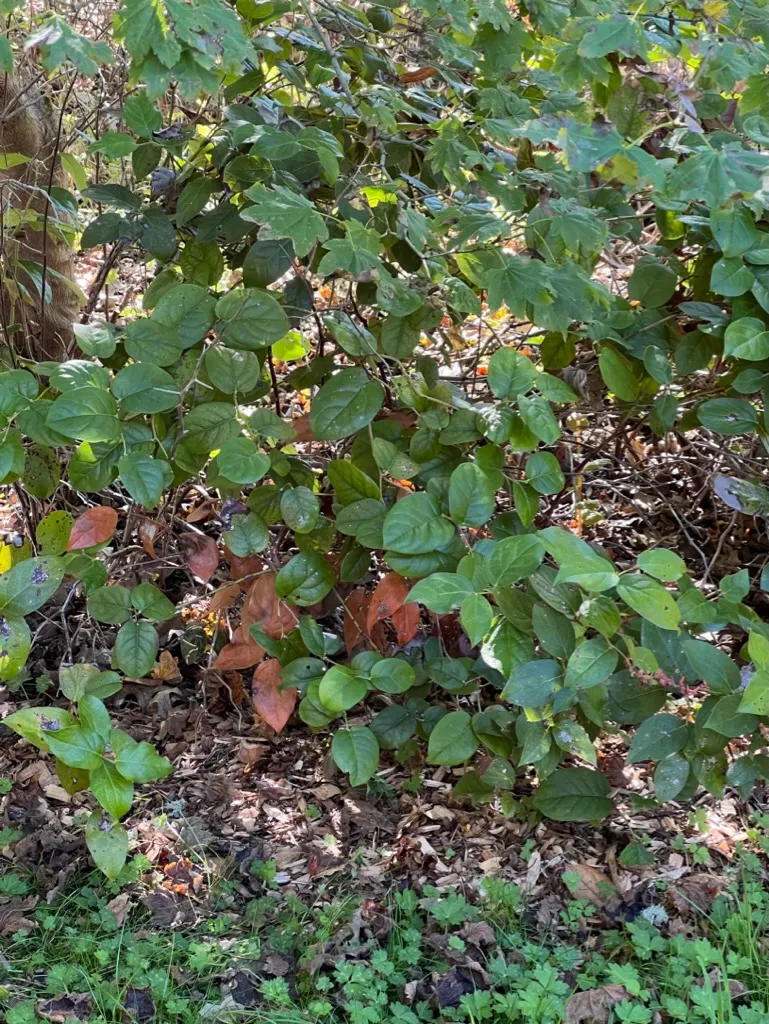
Gaultheria shallon is salal (Oregon wintergreen), a spreading evergreen shrub growing 1.5-5 feet (0.45-1.5 m) tall (shorter in sun, taller in shade) and 3-8 feet (0.9-2.4 m) wide. White to pale pink urn-shaped flowers 0.3 inch (8 mm) in one-sided racemes of 5-15 in May-June (6 weeks). Dark purple-black hairy edible berries 0.3-0.5 inch (8-13 mm) in July-September. Glossy dark green leathery oval leaves 2-4 inches (5-10 cm). In Ericaceae. Shallon = Chinook trade language name. Spreads aggressively by rhizomes to form dense thickets — the primary management limitation in garden settings. The foliage is commercially harvested for floral arrangements. Berries edible — historically a staple food for Pacific Northwest Indigenous peoples. Native to the Pacific Coast from Alaska to California. Requires acidic soil (pH 4.5-6.0). Drought-tolerant once established. Deer browse. Non-toxic. Zones 6-9. Part shade to full sun. Growth rate is moderate to fast (via rhizomes).
Native Range
Native to the Pacific Coast of North America — Alaska south through British Columbia, Washington, Oregon, to central California. Found in coniferous forest understory, coastal bluffs, logged areas, and disturbed sites.Suggested Uses
Grown as a native evergreen ground cover, understory mass planting, or erosion control on slopes, spaced 3-8 feet (0.9-2.4 m). Aggressive spreader. Edible berries. Floral foliage. Acid soil required. Native to Pacific Coast. Non-toxic. Zones 6-9.How to Identify
Appearance
Size & Dimensions
Height1'6" - 5'
Width/Spread3' - 8'
Bloom Information
Late spring to early summer (May-June). White to pale pink urn-shaped flowers 0.3 inch (8 mm) in one-sided racemes of 5-15. 6 weeks. Bee-visited. Dark purple-black edible berries follow in summer.
Detailed Descriptions
Flower Description
White to pale pink, urn-shaped (urceolate), 0.3 inch (8 mm), nodding, in one-sided racemes of 5-15 at branch tips; May-June; followed by dark purple-black hairy berries 0.3-0.5 inch (8-13 mm) in July-SeptemberFoliage Description
Glossy dark green above, paler beneath, broadly oval, leathery, finely serrated, 2-4 inches (5-10 cm); on reddish-brown wiry stems; evergreen year-round; height varies with light — 1.5 feet (45 cm) in full sun to 5 feet (1.5 m) in shadeGrowing Conditions
Sun Requirements
Requires 1-6 hours of direct sunlight daily
• Full Sun: 6+ hours of direct sunlight
• Partial Shade: 3-6 hours of direct sunlight
• Full Shade: Less than 3 hours of direct sunlight
Care & Maintenance
Care Guide
Part shade to full sun or full shade (1-6 hours). Well-drained acidic soil pH 4.5-6.0. Drought-tolerant once established. Spreads aggressively by rhizomes — contain or allow to naturalize. Berries edible. Cut back in early spring (March) if needed. Deer browse. Non-toxic. Zones 6-9.Pruning
Cut back to desired height in early spring (March) to control size and density. Remove unwanted rhizome sprouts. Tolerates hard renovation pruning to the ground — regrows vigorously.Pruning Schedule
Prune: March
early spring