Image 1 of 17
1 / 17
Plant Reference
Gaultheria, Genus, mucronata, Species,
- Genus & species
Chilean pernettya
Southern Chile and Argentina (Patagonia); temperate rainforests, peatlands, and exposed coastal heathlands from sea level to treeline
Overview
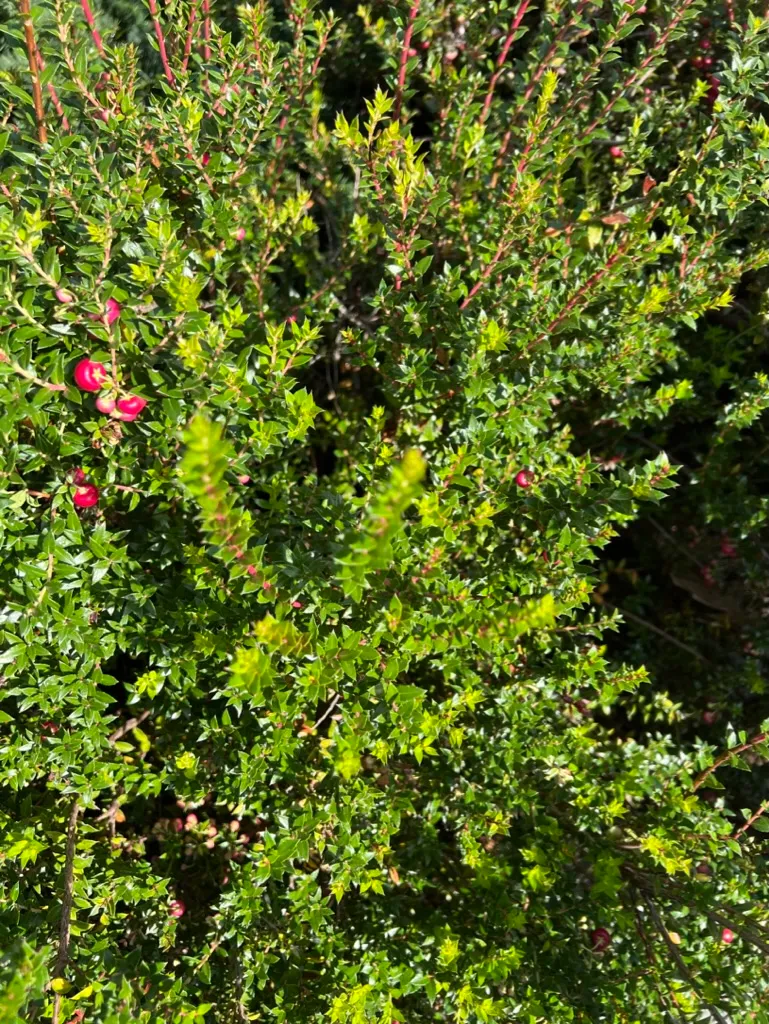
Gaultheria mucronata is Chilean pernettya (prickly heath), a spreading evergreen shrub growing 3-5 feet (0.9-1.5 m) tall and 4-6 feet (1.2-1.8 m) wide. White to pale pink urn-shaped flowers 0.2-0.3 inch (5-8 mm) in May-June (4 weeks). Persistent round berries 0.3-0.5 inch (8-13 mm) in white, pink, magenta, red, or purple from fall through winter. Glossy dark green small spine-tipped leaves 0.5-0.75 inch (1.3-2 cm). In Ericaceae. Formerly Pernettya mucronata. Mucronata = pointed. Dioecious — a male pollinator within 30 feet (9 m) is required for berry production on female plants ('Bell's Seedling' is self-fertile). Native to southern Chile and Argentina (Patagonia). Spreads by underground suckers to form thickets — this suckering spread is the primary maintenance limitation. Requires acidic soil (pH 4.5-6.0). Berries mildly toxic. Not drought-tolerant. Deer-resistant. Zones 7-9. Part sun to full sun. Growth rate is moderate.
Native Range
Native to southern Chile and Argentina (Patagonia). Found in temperate rainforests, peatlands, and exposed coastal heathlands from sea level to treeline.Suggested Uses
Grown in acidic borders, heather gardens, and in containers of at least 5 gallons (19 L) with acidic mix, spaced 4-6 feet (1.2-1.8 m). Colorful winter berries. Acid soil required. Plant both sexes for berries. Berries toxic. Zones 7-9.How to Identify
Appearance
Size & Dimensions
Height3' - 5'
Width/Spread4' - 6'
Bloom Information
Late spring (May-June). White to pale pink urn-shaped flowers 0.2-0.3 inch (5-8 mm) in axillary racemes. 4 weeks. Bee-visited. Colorful persistent berries follow in fall-winter.
Detailed Descriptions
Flower Description
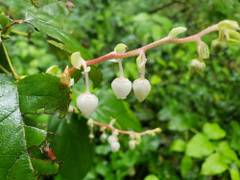
White to pale pink, urn-shaped (urceolate), 0.2-0.3 inch (5-8 mm), nodding, in axillary racemes; May-June; followed by persistent round berries 0.3-0.5 inch (8-13 mm) in white, pink, magenta, red, or purple (berry color varies by cultivar) — the berries are the primary ornamental feature, persisting from fall through winterFoliage Description
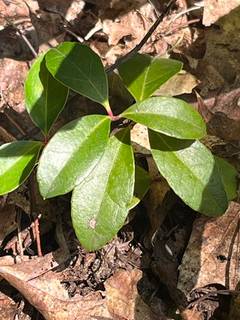
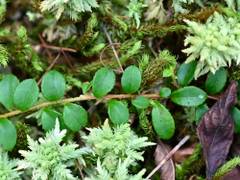
Glossy dark green, small, ovate to elliptic, 0.5-0.75 inch (1.3-2 cm), with a sharp mucro (spine tip — mucronata = pointed) at the leaf apex; densely arranged on wiry stems; evergreen year-roundGrowing Conditions
Sun Requirements
Requires 4-8 hours of direct sunlight daily
• Full Sun: 6+ hours of direct sunlight
• Partial Shade: 3-6 hours of direct sunlight
• Full Shade: Less than 3 hours of direct sunlight
Care & Maintenance
Care Guide
Part sun to full sun (4-8 hours). Moist acidic soil pH 4.5-6.0. Not drought-tolerant. Dioecious — plant a male within 30 feet (9 m) for berries (or use self-fertile 'Bell's Seedling'). Spreads by suckers. Prune in early spring (February-March). Berries mildly toxic. Deer-resistant. Zones 7-9.Pruning
Prune in early spring (February-March) to shape and control suckering spread. Remove unwanted suckers. Thin congested stems for air circulation.Pruning Schedule
Prune: February–March
early spring
Container Growing
Suitable for container growing
Minimum container size: 5 gallons