Image 1 of 12
1 / 12
Plant Reference
Gaultheria, Genus, procumbens, Species,
- Genus & species
wintergreen
Eastern North America — Newfoundland to Manitoba, south to Georgia; acidic woodlands, pine forests, and blueberry barrens
Overview
Gaultheria procumbens is wintergreen (eastern teaberry), a low spreading evergreen perennial growing 3-6 inches (7-15 cm) tall and 12-36 inches (30-90 cm) wide per colony. White to pale pink nodding urn-shaped flowers 0.3 inch (8 mm) in June-August (10 weeks). Bright red persistent berries 0.3-0.5 inch (8-13 mm) from fall through spring. Glossy deep green oval-elliptic leaves 1-2 inches (2.5-5 cm) with burgundy-purple winter tints; all parts emit wintergreen (methyl salicylate) fragrance when crushed. In Ericaceae. Procumbens = prostrate. The source of natural wintergreen flavor. Berries edible (wintergreen taste). Native to eastern North America — Newfoundland to Georgia. Spreads slowly by underground stolons. Requires strongly acidic soil (pH 4.5-5.5) — this strict acid requirement is the primary cultural limitation. Not drought-tolerant. Slow to establish (3-5 years for a full colony). Deer browse. Non-toxic (berries edible; concentrated essential oil toxic in large doses). Zones 3-8. Part shade to full shade. Growth rate is slow.
Native Range
Native to eastern North America — Newfoundland to Manitoba, south to Georgia. Found in acidic woodlands, pine forests, and blueberry barrens.Suggested Uses
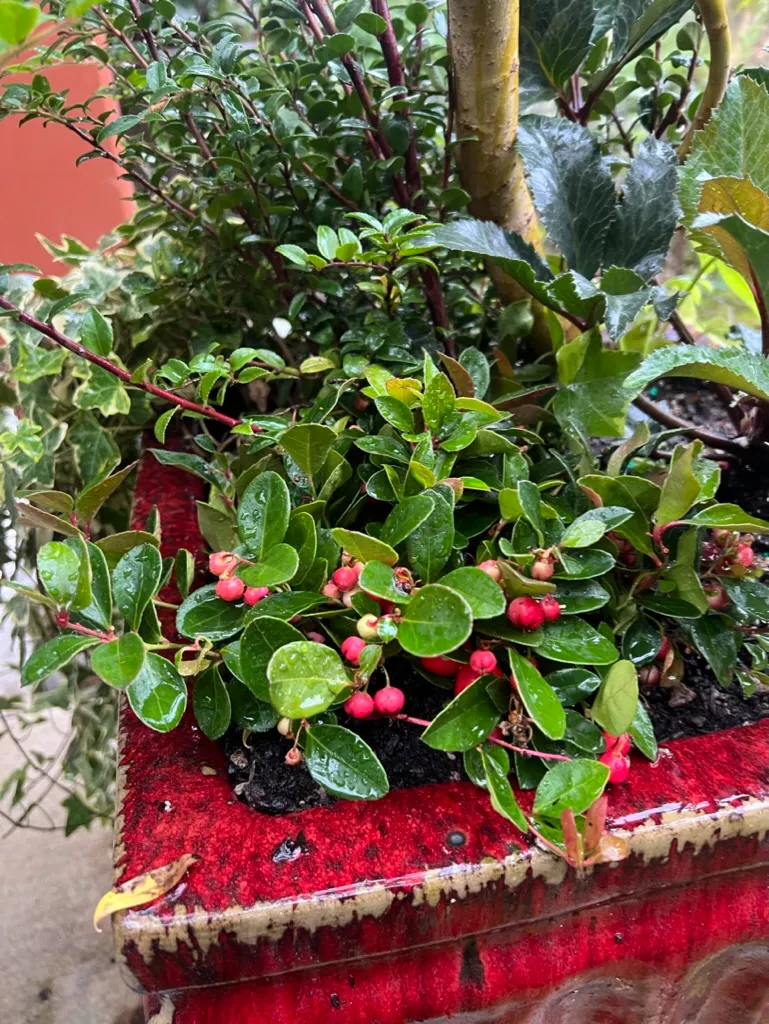
Grown as an acidic shade ground cover, under pines, in blueberry-companion plantings, and in containers of at least 2 gallons (7.5 L) with acidic mix, spaced 12-36 inches (30-90 cm). Edible berries. Wintergreen fragrance. Burgundy winter tints. Acid soil required. Zones 3-8.How to Identify
Appearance
Size & Dimensions
Height3" - 6"
Width/Spread1' - 3'
Bloom Information
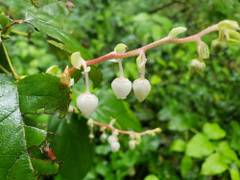
Summer (June-August). White to pale pink nodding urn-shaped flowers 0.3 inch (8 mm) at leaf axils. 10 weeks. Bee-visited. Bright red persistent berries follow from fall through spring.
Detailed Descriptions
Flower Description
White to pale pink, nodding, urn-shaped (urceolate), 0.3 inch (8 mm), solitary or in small clusters at leaf axils; June-August; followed by bright red persistent berries 0.3-0.5 inch (8-13 mm) that last from fall through springFoliage Description
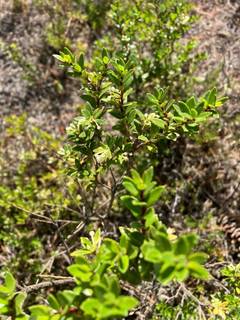
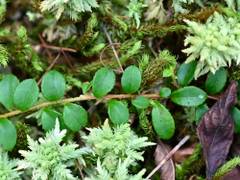
Glossy deep green, oval-elliptic, 1-2 inches (2.5-5 cm), clustered near stem tips; burgundy-purple winter tints; all parts emit a wintergreen (methyl salicylate) fragrance when crushed; evergreen year-roundGrowing Conditions
Sun Requirements
Requires 1-4 hours of direct sunlight daily
• Full Sun: 6+ hours of direct sunlight
• Partial Shade: 3-6 hours of direct sunlight
• Full Shade: Less than 3 hours of direct sunlight
Care & Maintenance
Care Guide
Part shade to full shade (1-4 hours). Moist strongly acidic soil pH 4.5-5.5. Not drought-tolerant. Spreads slowly by stolons (3-5 years for colony). Berries edible (wintergreen). Deer browse. Non-toxic for normal use. Zones 3-8.Pruning
Trim old tattered foliage in early spring (March) before new growth. No other pruning needed. The prostrate habit requires no shaping.Pruning Schedule
Prune: March
early spring
Container Growing
Suitable for container growing
Minimum container size: 2 gallons