Fumaria, Genus, officinalis, Species,
- Genus & species
common fumitory
Europe, North Africa, and western Asia
SunFull Sun
Overview
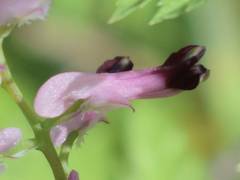
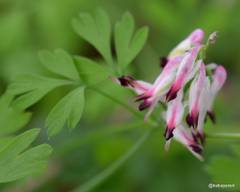
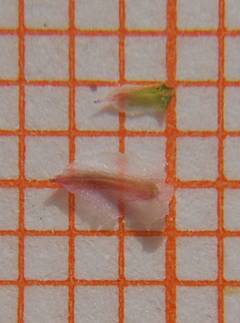
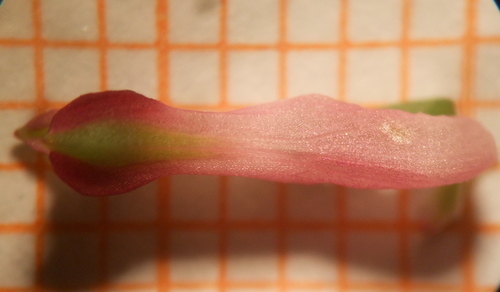
Fumaria officinalis is a slender, scrambling annual 4-12 inches (10-30 cm) tall, with weak, branching stems and grey-green, much-divided leaves cut into narrow flat segments. From spring to autumn it produces spikes of 10 to 40 small tubular flowers, each about 0.3 inch (7-9 mm) long, pale pink to purplish with a deep crimson-purple tip. The flowers are followed by small rounded one-seeded nutlets. The plant climbs weakly through other vegetation using its twining leaf stalks, though it often sprawls across open ground. It is a common weed of cultivated fields, gardens, and waste places, favoring light, disturbed soils. Germinating mainly in spring and autumn, it completes its life cycle quickly and sets abundant seed. A limitation in cultivated ground is this persistent self-seeding, as buried seed stays viable for many years and produces repeated flushes of seedlings.
Native Range
Fumaria officinalis is native to Europe, North Africa, and western Asia. It has spread as a weed of cultivation to North America, Australia, and other temperate regions, growing on disturbed and arable ground.Suggested Uses
Fumaria officinalis is rarely cultivated and is most often seen as a weed of gardens and farmland. It has a long history of use in traditional herbal medicine. Where it grows the flowers supply nectar for small bees and other insects.How to Identify
Appearance
Size & Dimensions
Height4" - 1'
Width/Spread6" - 1'6"
Bloom Information
Detailed Descriptions
Flower Description
pink with crimson-purple tipFoliage Description
grey-greenGrowing Conditions
Sun Requirements
Requires 6-10 hours of direct sunlight daily
• Full Sun: 6+ hours of direct sunlight
• Partial Shade: 3-6 hours of direct sunlight
• Full Shade: Less than 3 hours of direct sunlight
Water & Climate
Water Needs
Drought Tolerance
Drought tolerant when established