Fumaria, Genus, spp., Multiple species,
- Genus
- Multiple species
fumitories
Europe, the Mediterranean, North Africa, and Asia
SunFull Sun – Part Shade
Overview
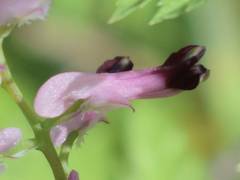
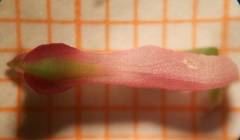
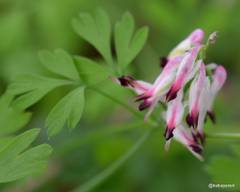
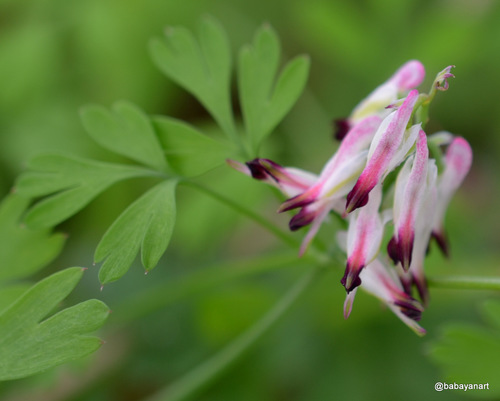
Fumaria is a genus of about 50 species of annual herbs in the poppy family (Papaveraceae), native to Europe, the Mediterranean, North Africa, and temperate Asia, and naturalized as weeds across much of the world. Plants grow 6 to 30 inches (15 to 75 cm) tall and 6 to 24 inches (15 to 60 cm) wide, with weak, scrambling stems and finely divided, fern-like, gray-green to blue-green foliage. The small tubular flowers, 0.2 to 0.5 inch (5 to 12 mm) long, are two-lipped and spurred, pink to purple and tipped with crimson to blackish-red, and are carried in dense, narrow spikes over a long season. Each flower produces a small, rounded, one-seeded fruit. The common fumitory, F. officinalis, has a long history of use in herbal medicine, though the plants contain alkaloids and are toxic if eaten in quantity. Fumaria grows in full sun to light shade on disturbed, cultivated, and waste ground, often appearing in gardens, fields, and roadsides as a fast-growing weed. Plants set abundant seed, self-sow heavily, and can persist for years in cultivated soil.
Native Range
Fumaria is native to Europe, the Mediterranean region, North Africa, and temperate Asia, with the greatest concentration of species around the Mediterranean. Several species, including F. officinalis, have spread worldwide as weeds of cultivation.Suggested Uses
Fumaria is used in informal cottage and wildlife plantings and in herb gardens, where F. officinalis is grown for its traditional medicinal associations. The ferny foliage and long flowering season suit naturalistic, self-sowing schemes. The weedy, prolific self-sowing limits its use in tidy or formal beds.How to Identify
Appearance
Size & Dimensions
Height6" - 2'6"
Width/Spread6" - 2'
Colors
Bloom Information
Fumaria blooms over a long season from spring into fall, often April through September, with new flower spikes produced as the stems lengthen. In mild climates plants flower nearly year-round. Each spike opens its flowers in succession from the base upward.
Detailed Descriptions
Flower Description
pink to purple, tipped crimson to blackish-redFoliage Description
gray-green to blue-greenGrowing Conditions
Sun Requirements
Requires 4-10 hours of direct sunlight daily
• Full Sun: 6+ hours of direct sunlight
• Partial Shade: 3-6 hours of direct sunlight
• Full Shade: Less than 3 hours of direct sunlight
Water & Climate
Water Needs
Drought Tolerance
Drought tolerant when established
Care & Maintenance
Care Guide
Fumaria grows in full sun to light shade in average, well-drained soil and tolerates poor, dry, and disturbed ground. Plants grow quickly in cool weather and need little water once established. Seed is sown directly in fall or early spring, and seedlings establish without transplanting. Rich, moist soils produce lush growth but more sprawling stems. The genus self-sows prolifically and can become a persistent weed in cultivated beds. Plants die after setting seed, and a new generation appears from self-sown seedlings.Pruning
Fumaria needs no pruning. Plants can be pulled or cut before the seed ripens to limit self-sowing and spread. Spent plants are cleared after they die back at the end of the season.Toxicity Warning
Toxic to pets and humansPlanting Guide
Planting Methods & Timing
Planting Method
direct sow
Direct Sow Timing
fall or early spring
Days to Maturity
70–100 days
Plant Spacing
8 inches