Forsythia, Genus, ×, Hybrid, intermedia, Species, 'Lynwood Gold', Cultivar,
- Genus & species
- Hybrid
- Cultivar
lynwood gold forsythia
Hybrid origin (Forsythia suspensa × F. viridissima); parent species native to China
Overview
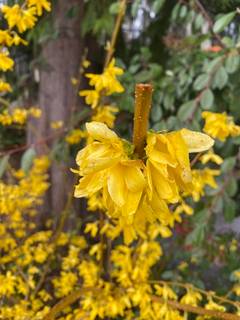
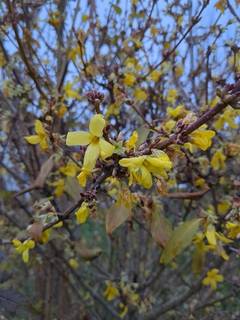
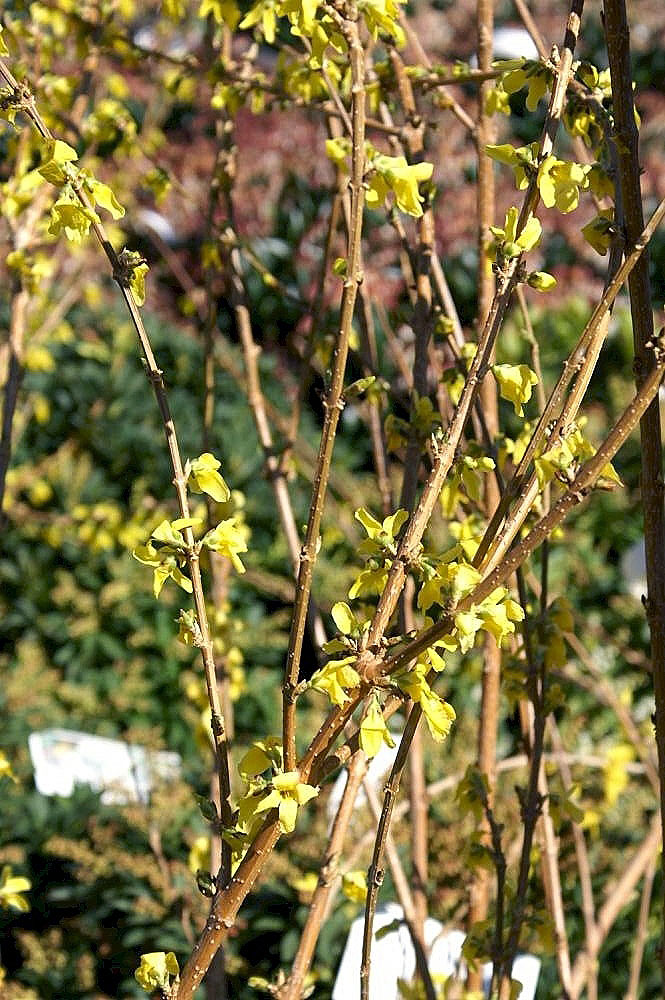
Forsythia × intermedia 'Lynwood Gold' (also spelled 'Lynwood Variety') is a yellow-flowering forsythia, growing 72–120 inches (180–300 cm) tall and wide with an upright-arching habit. Bright yellow four-petaled flowers 1–1.5 inches (2.5–4 cm) cover the bare branches in early spring (March–April) before leaves emerge — the flowering lasts approximately 2 weeks. 'Lynwood Gold' produces flowers along the entire length of each stem (vs. some forsythia cultivars that flower sparsely in the center of branches). A hybrid of F. suspensa × F. viridissima, both native to China. The flower buds are formed on old (previous-season) wood — pruning after mid-summer removes the following spring's flower buds. Late frosts below 20°F (−7°C) after bud swell can kill open flowers or swelling buds, resulting in a sparse or absent bloom in a given year — this is the primary cause of failed forsythia bloom in zone 5. Medium green opposite leaves with serrated margins. Fall foliage is yellow to purple-tinged. Non-toxic. Drought-tolerant once established. Adapts to clay, loam, and sandy soils; tolerates alkaline conditions (to pH 8.0). Zones 5–8. Growth rate is fast — 24–36 inches (60–90 cm) per year. No serious pest or disease issues. Deer may browse in winter when food is scarce.
Native Range
Hybrid origin — F. suspensa × F. viridissima. Both parent species are native to China. The cultivar was selected at Lynwood, County Down, Northern Ireland.Suggested Uses
Grown as a specimen, hedge, or screen in zones 5–8, spaced 72–96 inches (180–240 cm) apart. Full sun. The brief early spring bloom (2 weeks) is followed by 50 weeks of plain green foliage — position where the spring bloom is visible but the remainder of the year is acceptable as a green mass. Non-toxic.How to Identify
Appearance
Size & Dimensions
Height6' - 10'
Width/Spread6' - 10'
Bloom Information
Early spring (March–April), approximately 2 weeks. Bright yellow flowers on bare branches before leaves emerge. Blooms on old wood — prune immediately after flowering. Late frost below 20°F (−7°C) after bud swell kills buds.
Detailed Descriptions
Foliage Description
Medium green; opposite, serrated marginsGrowing Conditions
Sun Requirements
Requires 4-8 hours of direct sunlight daily
• Full Sun: 6+ hours of direct sunlight
• Partial Shade: 3-6 hours of direct sunlight
• Full Shade: Less than 3 hours of direct sunlight
Care & Maintenance
Care Guide
Full sun to partial shade — more flowers in full sun. Adapts to clay, loam, and sandy soils; tolerates alkaline to pH 8.0. Prune immediately after flowering (old wood). Late frost kills swelling buds. Drought-tolerant once established. Non-toxic. Zones 5–8.Pruning
Prune immediately after flowering in spring — blooms on old wood. Remove one-third of oldest stems at the base each year for renewal. Avoid shearing into a ball shape, which removes flower buds and destroys the natural arching form. Late summer or fall pruning removes the following spring's buds.Pruning Schedule
Prune: April–May
spring