Image 1 of 26
1 / 26
Plant Reference
Forsythia, Genus, ×, Hybrid, intermedia, Species,
- Genus & species
- Hybrid
hybrid forsythia
Garden hybrid — {F. suspensa} (China) × {F. viridissima} (China); first raised in Germany c. 1878
Overview
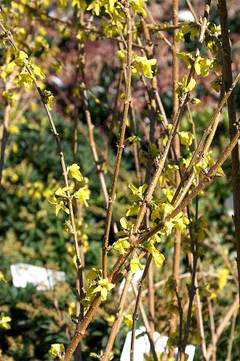
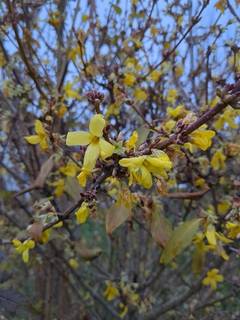
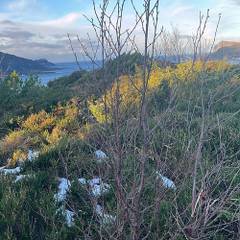
Forsythia × intermedia is hybrid forsythia (border forsythia), a spreading deciduous shrub growing 8-10 feet (2.4-3 m) tall and 10-12 feet (3-3.6 m) wide with arching branches. Golden-yellow 4-petaled flowers 1-1.5 inches (2.5-4 cm) in clusters of 2-6 along bare stems in February-March — among the first shrubs to bloom in spring. Medium green simple to trifoliate leaves 3-5 inches (7-13 cm). In Oleaceae (the olive family). Hybrid of F. suspensa × F. viridissima (both Chinese species). In zones 5-6, flower buds can be killed by severe winter cold below -5°F (-21°C), resulting in partial or no bloom — the stems survive but the flower buds are less cold-hardy. This bud-kill in cold zones is the primary limitation. Bud-hardy cultivars for cold climates: 'Meadowlark' (to -35°F / -37°C) and 'Northern Gold' (to -30°F / -34°C). The tangled arching habit becomes unkempt without periodic renewal pruning. Tolerates a wide range of soils including alkaline clay (pH 6.0-8.0). Drought-tolerant once established. Non-toxic. Zones 5-9. Full sun to partial shade. Growth rate is fast.
Native Range
Garden hybrid — F. suspensa (China) × F. viridissima (China). First raised in Germany c. 1878.Suggested Uses
Grown as a specimen shrub, informal hedge, mass planting, and bank cover spaced 10-12 feet (3-3.6 m). Early spring bloom on bare stems. Tolerates wide soil range. Use bud-hardy cultivars in zones 5-6. Non-toxic. Zones 5-9.How to Identify
Appearance
Size & Dimensions
Height8' - 10'
Width/Spread10' - 12'
Bloom Information
Late winter to early spring (February-March). Golden-yellow 4-petaled flowers 1-1.5 inches (2.5-4 cm) in clusters of 2-6 along bare stems. 3 weeks of bloom. Bee-pollinated.
Detailed Descriptions
Flower Description
Golden-yellow, 4-petaled, 1-1.5 inches (2.5-4 cm), in clusters of 2-6 along bare stems before leaf emergenceFoliage Description
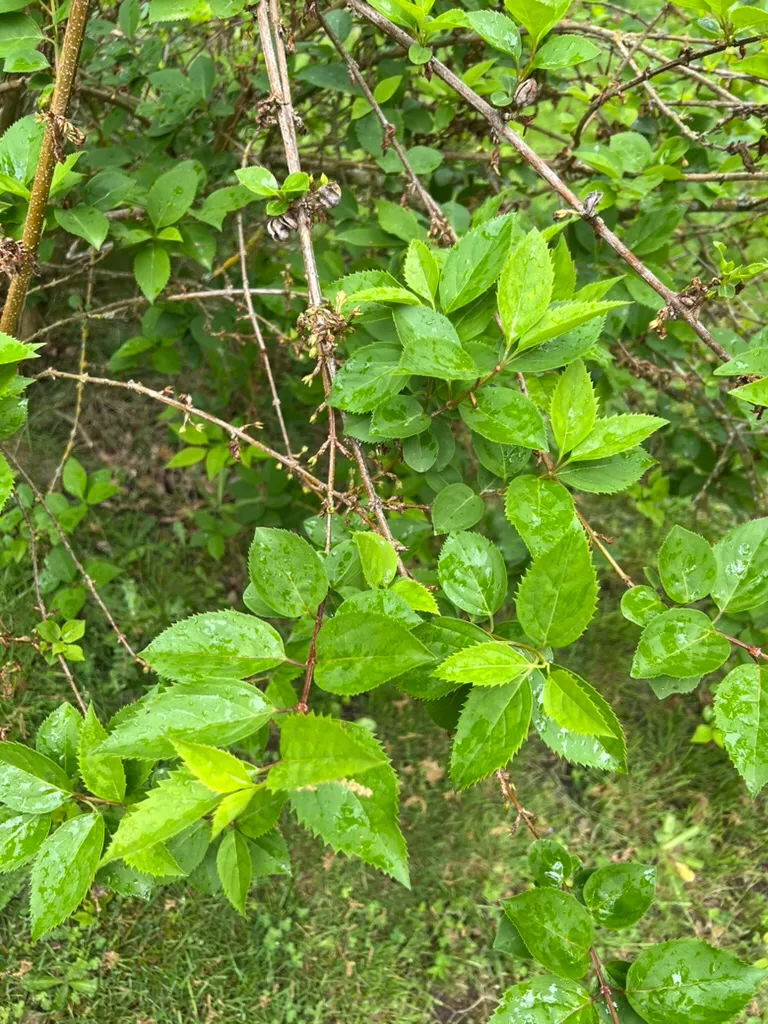
Medium green, simple to trifoliate, serrated, 3-5 inches (7-13 cm) long; turns modest purplish-red in fall — fall color is usually unremarkableGrowing Conditions
Sun Requirements
Requires 3-10 hours of direct sunlight daily
• Full Sun: 6+ hours of direct sunlight
• Partial Shade: 3-6 hours of direct sunlight
• Full Shade: Less than 3 hours of direct sunlight
Care & Maintenance
Care Guide
Full sun to partial shade (3-10 hours). Any well-drained soil pH 6.0-8.0 — tolerates clay, chalk, and poor soil. Drought-tolerant once established. Blooms on old wood — prune immediately after flowering (April). Flower buds killed below -5°F (-21°C) in zones 5-6 — use bud-hardy cultivars. Non-toxic. Zones 5-9.Pruning
Prune immediately after flowering (April) — blooms on old (previous season's) wood. Remove 1/4-1/3 of the oldest stems at ground level annually (renewal pruning) to prevent a tangled interior. The arching habit is natural — do not shear into a ball (this removes flower buds and destroys the form).Pruning Schedule
Prune: April
late spring