Euthamia, Genus, spp., Multiple species,
- Genus
- Multiple species
grass-leaved goldenrods
Overview
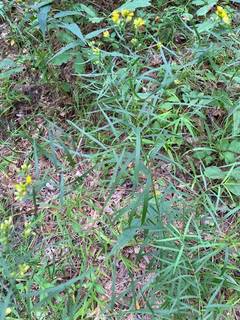
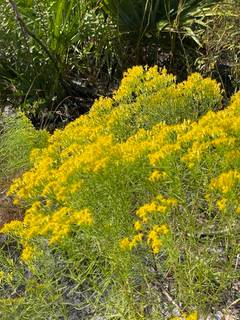
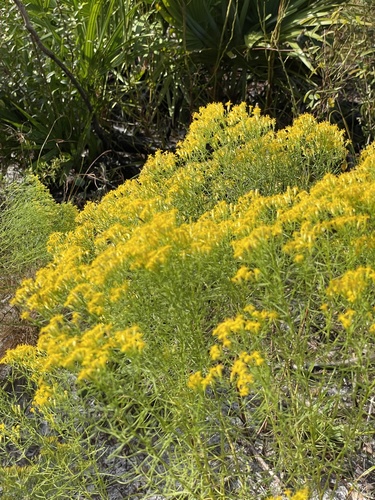
Euthamia is a small genus of about five to ten species of perennial herbs in the daisy family, Asteraceae, native to North America. Once included within goldenrod (Solidago), the genus is set apart by its narrow, grass-like leaves and flat-topped flower clusters. Plants form upright, clumping or colony-forming stems 2-4 feet (60-120 cm) tall, spreading by rhizomes. Leaves are alternate, linear to narrowly lance-shaped, 1.5-4 inches (4-10 cm) long, untoothed, and dotted with tiny resin glands that release a scent when crushed; most carry three to five parallel veins. The small yellow flower heads are clustered into broad, flat-topped arrays at the stem tips, each head with a few short ray florets around a yellow disc. Bloom comes in late summer and autumn and draws many bees, wasps, butterflies, and other insects. E. graminifolia, grass-leaved goldenrod, is the most widespread species, growing in moist meadows, prairies, ditches, and shores. The genus spreads readily by rhizomes and can form dense stands. Most species are hardy in USDA zones 3 to 8 and grow in full sun on moist to average soil.
Native Range
Euthamia is native to North America, ranging across much of Canada and the United States into northern Mexico. E. graminifolia occurs from coast to coast in moist open ground, while other species are more regional. The genus grows in meadows, prairies, marsh edges, and disturbed sites.Suggested Uses
Euthamia is planted in prairie and meadow restorations, rain gardens, and pollinator plantings for late-season bloom. The flat flower clusters are used as filler in cut arrangements. The genus suits naturalized areas where its rhizomes have room to spread.How to Identify
Appearance
Size & Dimensions
Height2' - 4'
Width/Spread1'6" - 3'
Bloom Information
Detailed Descriptions
Foliage Description
greenGrowing Conditions
Sun Requirements
Requires 6-10 hours of direct sunlight daily
• Full Sun: 6+ hours of direct sunlight
• Partial Shade: 3-6 hours of direct sunlight
• Full Shade: Less than 3 hours of direct sunlight
Care & Maintenance
Care Guide
Euthamia species grow in full sun on moist to average soil and tolerate poor, sandy, or seasonally wet ground. Most species accept a wide soil pH from about 5.5 to 7.5. Plants spread by rhizomes and can form broad colonies, so they suit naturalistic plantings more than tight borders. Perennial species are hardy in USDA zones 3 to 8. In rich soil and shade, stems grow tall and lax and may flop. Few pests trouble the genus.Pruning
Cut stems to the ground in late autumn or late winter after flowering. A trim in early summer reduces height and flopping. Lifting and dividing clumps in spring limits rhizome spread.Pruning Schedule
fallwinter