Image 1 of 9
1 / 9
Plant Reference
Escallonia, Genus, spp., Multiple species,
- Genus
- Multiple species
escallonia
South America (Chile, Argentina, Brazil, Colombia to Patagonia)
Overview
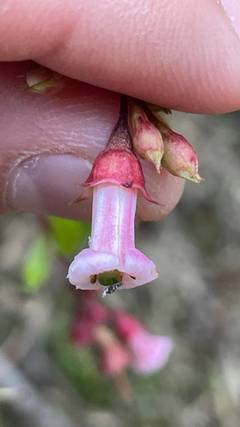
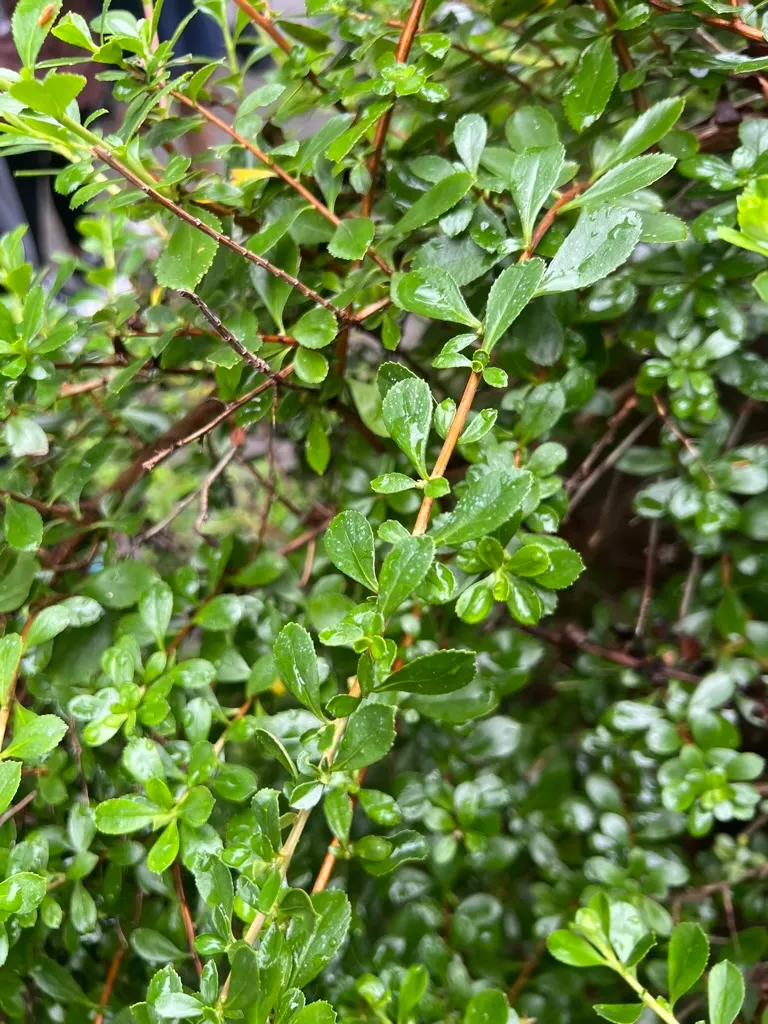
Escallonia is a genus of approximately 40 species of evergreen shrubs in the family Escalloniaceae, growing 36–96 inches (90–240 cm) tall and 36–72 inches (90–180 cm) wide. Pink, red, or white tubular to bell-shaped flowers 0.3–0.5 inch (8–12 mm) in terminal panicles from late spring through midsummer, with sporadic reblooming into fall. Dark green glossy small oval leaves 0.5–2 inches (12–50 mm) that release a resinous honey-like scent when crushed. Most garden plants are hybrids derived from South American species. Named after Antonio Escallón (1739–1819), Colombian botanical collector. Tolerates coastal salt spray, wind, and poor sandy soil — one of the primary hedging and screening shrubs for exposed coastal gardens in the Pacific Northwest, coastal California, and coastal Britain. Hummingbird- and butterfly-visited — the tubular flowers are a summer nectar source. Damaged below 15°F (−9°C) — suited to zones 7–10; sheltered positions in zone 7. Popular cultivars: 'Apple Blossom' (pink/white bicolor), 'Crimson Spire' (deep red, narrow upright), 'Iveyi' (white, large panicles), 'Fradesii' (rose-pink). Prune after the main flowering flush in midsummer. Drought-tolerant once established. Non-toxic. Deer-resistant. Full sun to partial shade. Zones 7–10. This entry represents the genus. Growth rate is moderate to fast.
Native Range
Native to South America — approximately 40 species from Colombia and Venezuela south through the Andes to Patagonia, with the center of diversity in Chile and Argentina.Suggested Uses
Grown as hedging, screening, and in borders in coastal zones 7–10. The salt-spray and wind tolerance make Escallonia one of the primary coastal hedging genera. Hummingbird- and butterfly-visited. 'Apple Blossom' for bicolor flowers. Non-toxic. Deer-resistant.How to Identify
Appearance
Size & Dimensions
Height3' - 8'
Width/Spread3' - 6'
Bloom Information
Late spring to midsummer (June–August), lasting 6–8 weeks with sporadic rebloom into fall. Pink, red, or white tubular flowers in terminal panicles. Hummingbird- and butterfly-visited.
Detailed Descriptions
Flower Description
Pink, red, or white; tubular to bell-shaped, 0.3-0.5 inch (8-12 mm), in terminal paniclesFoliage Description
Dark green, glossy, small, oval, 0.5-2 inches (12-50 mm), finely toothed, aromatic when crushed (resinous honey-like scent)Growing Conditions
Sun Requirements
Requires 5-10 hours of direct sunlight daily
• Full Sun: 6+ hours of direct sunlight
• Partial Shade: 3-6 hours of direct sunlight
• Full Shade: Less than 3 hours of direct sunlight
Care & Maintenance
Care Guide
Full sun to partial shade. Tolerates coastal salt spray, wind, and poor sandy soil. Damaged below 15°F (−9°C) — sheltered positions in zone 7. Prune after main flush. Drought-tolerant once established. Non-toxic. Deer-resistant. Hummingbird-visited. Zones 7–10.Pruning
Prune for shape after the main flowering flush in midsummer (August). Flower buds form on new growth. Tolerates hard renovation pruning. Suited to formal and informal hedging — clip after flowering.Pruning Schedule
Prune: August
summer
Container Growing
Suitable for container growing
Minimum container size: 5 gallons