Erysimum, Genus, ×, Hybrid, cheiri, Species,
- Genus & species
- Hybrid
wallflower
Eastern Mediterranean (garden origin)
Overview
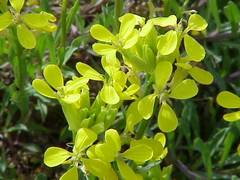
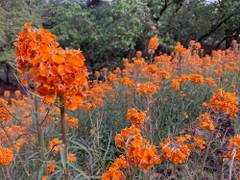
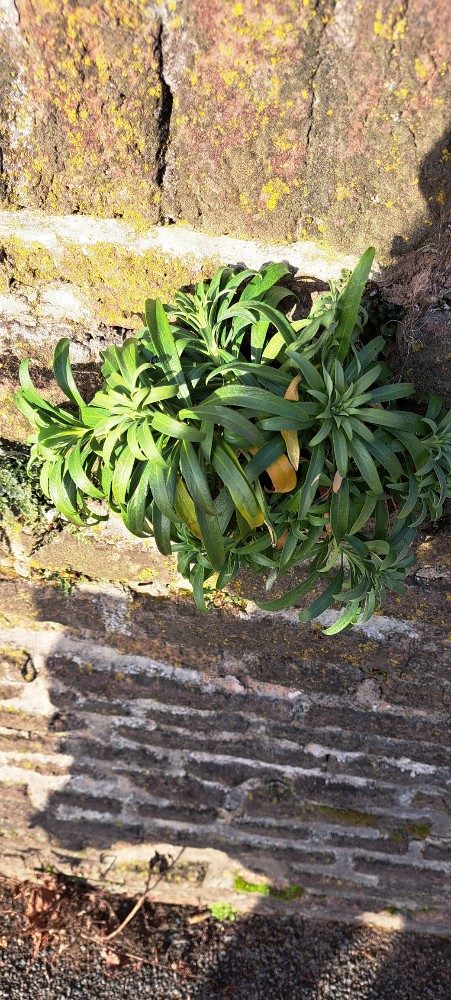
Erysimum × cheiri is a short-lived evergreen perennial in the mustard family, widely grown as a biennial for its spring flowers. Long cultivated and of uncertain wild origin, it forms a woody-based mound 8–24 inches (20–60 cm) tall and 12–18 inches (30–45 cm) wide. The narrow, lance-shaped leaves are 1–4 inches (2.5–10 cm) long, dull green, and clustered along the lower stems. From April to June it produces dense terminal racemes of four-petaled flowers about 1 inch (2.5 cm) across in shades of yellow, orange, red, bronze, and mahogany, carrying a sweet scent strongest on warm days. The plant grows in full sun on lean, fast-draining, neutral to alkaline soils and tolerates poor and rocky ground, including the mortar of old walls. It is drought-tolerant once established but rots in wet or heavy clay soils and declines after two or three years, so plantings are often refreshed from seed or cuttings. Cold hardiness reaches about USDA zone 6 with protection, though hard winters in colder zones kill unprotected plants. The seeds and foliage contain cardiac glycosides that are toxic if eaten.
Native Range
Erysimum × cheiri, the common wallflower, is a long-cultivated plant of hybrid and garden origin, traditionally linked to the eastern Mediterranean and Aegean region. It does not occur as a clearly defined wild species and is now naturalized on walls and rocky ground in parts of Europe.Suggested Uses
Used in spring bedding, rock gardens, wall crevices, and the front of borders, spaced 10–12 inches (25–30 cm) apart, and in containers for patios and steps. The flowers draw early bees and butterflies and supply cut stems for small fragrant arrangements. Short lifespan and frost sensitivity limit its use to seasonal or replaceable plantings.How to Identify
Appearance
Size & Dimensions
Height8" - 2'
Width/Spread1' - 1'6"
Bloom Information
Flowering runs from April to June, lasting six to eight weeks in cool conditions. Removing spent flower spikes extends the display into early summer. In mild-winter areas scattered flowers can appear from late winter onward.
Detailed Descriptions
Flower Description
yellow, orange, red, bronze, or mahoganyFoliage Description
dull greenGrowing Conditions
Sun Requirements
Requires 6-12 hours of direct sunlight daily
• Full Sun: 6+ hours of direct sunlight
• Partial Shade: 3-6 hours of direct sunlight
• Full Shade: Less than 3 hours of direct sunlight
Care & Maintenance
Care Guide
Growth is strongest in full sun on lean, fast-draining soils with a neutral to alkaline pH of 6.0 to 8.0. Light, regular watering suits young plants, while established plants need little water and rot in wet or heavy clay ground. Crown rot and clubroot can develop in damp or crowded conditions. Plants are short-lived, declining after two or three years, so many gardeners raise replacements from seed sown in early summer or from softwood cuttings. Cold hardiness reaches about USDA zone 6 with winter protection. A light shearing after the main flush keeps the mound compact.Pruning
A light trim after the main flowering flush removes spent spikes and keeps the plant bushy. Cutting back by about one-third in midsummer can prompt a lighter second flush. Stems become woody and sparse with age, which is when plants are usually replaced.Pruning Schedule
Prune: June–July
summer
Container Growing
Suitable for container growing
Minimum container size: 2 gallons