Image 1 of 14
1 / 14
Plant Reference
Eriocapitella, Genus, ×, Hybrid, hybrida, Species,
- Genus & species
- Hybrid
Japanese anemone
Overview
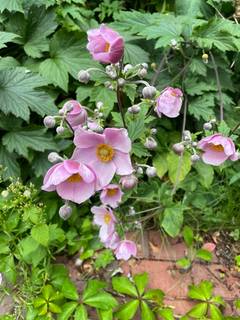
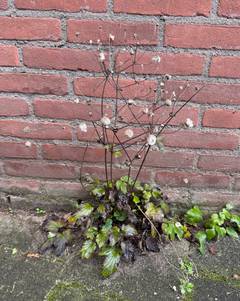
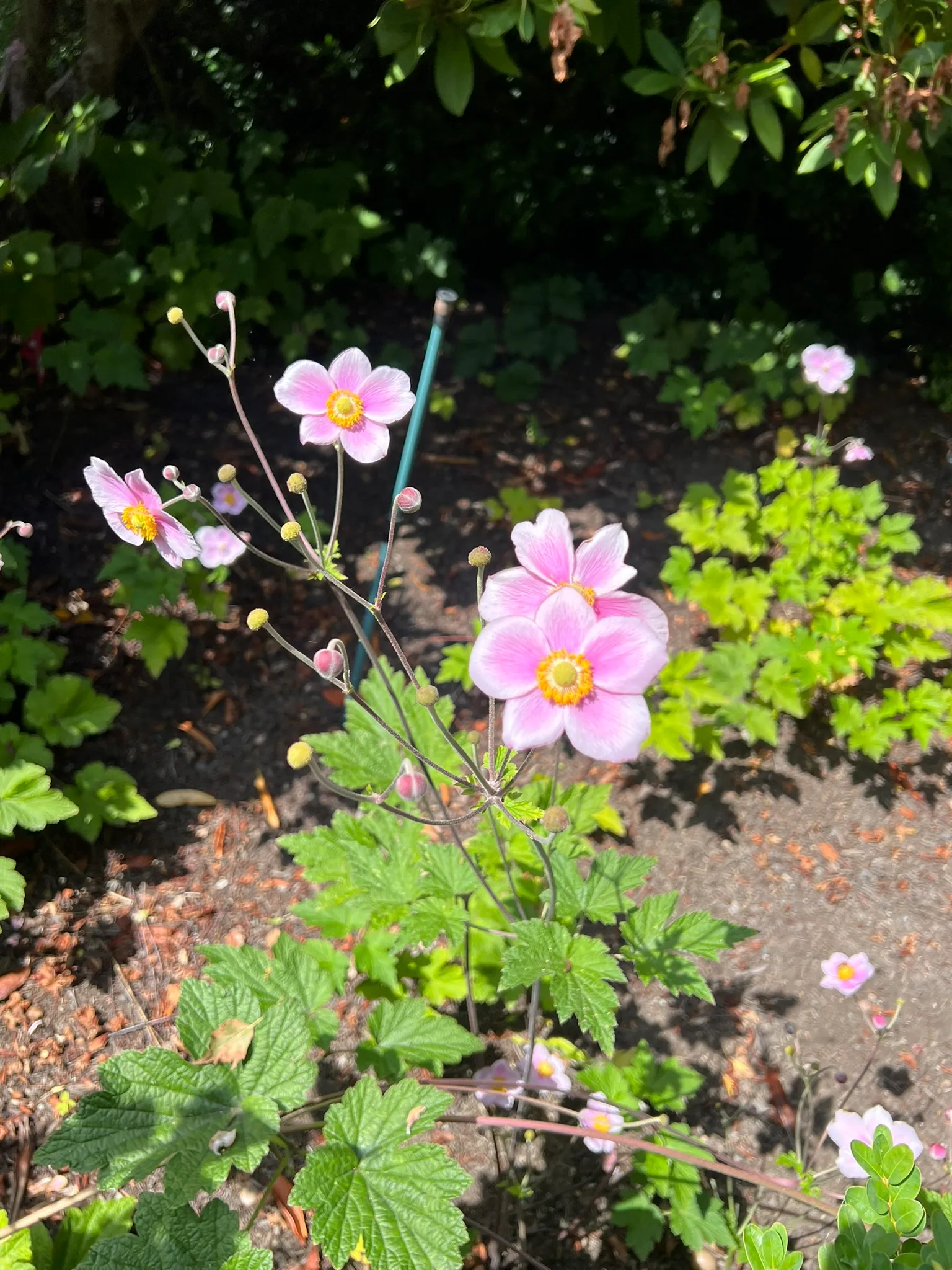
Eriocapitella × hybrida, long known as Anemone × hybrida, is a clump-forming herbaceous perennial grown for its late-season flowers, derived from crosses involving E. hupehensis and E. vitifolia. It reaches 2–4 feet (60–120 cm) tall in bloom and 2–3 feet (60–90 cm) wide, spreading slowly by fleshy rhizomes. The dark green basal leaves are divided into three lobed, toothed leaflets, each 2–4 inches (5–10 cm) long, forming a low mound from which wiry, branched flower stems rise. From late August to October the plant carries saucer-shaped flowers 2–3 inches (5–8 cm) across in white or shades of pink, each with a central boss of yellow stamens, followed by rounded seed heads of cottony achenes. It grows in full sun to part shade in moist, fertile soil and tolerates light shade better than dry, exposed sites. Once established the rhizomes can spread into neighboring plantings, and new shoots are slow to emerge in spring, which leaves gaps in the border early in the season. Foliage may scorch in hot, dry conditions, and plants resent root disturbance. Cold hardiness extends to USDA zone 4 with winter mulch in the colder part of the range.
Native Range
The hybrid Eriocapitella × hybrida arose in cultivation in the 19th century and does not grow wild. Its parent species are native to central and western China.Suggested Uses
Used in mixed borders, woodland-edge plantings, and cottage gardens for autumn flowering, spaced 18–24 inches (45–60 cm) apart. Combines with grasses and late perennials such as asters and Sedum. The slow spring emergence and rhizomatous spread make it less suited to small, tightly planted beds.How to Identify
Appearance
Size & Dimensions
Height2' - 4'
Width/Spread2' - 3'
Bloom Information
Flowering begins in late August and continues into October, lasting six to eight weeks. Buds open in sequence on branched stems, so several flowers and developing seed heads appear together. Bloom is heaviest in the first warm autumns after establishment.
Detailed Descriptions
Foliage Description
dark greenGrowing Conditions
Sun Requirements
Requires 4-8 hours of direct sunlight daily
• Full Sun: 6+ hours of direct sunlight
• Partial Shade: 3-6 hours of direct sunlight
• Full Shade: Less than 3 hours of direct sunlight
Care & Maintenance
Care Guide
Position in full sun to part shade in moist, fertile, well-drained soil rich in organic matter. Consistent moisture during summer prevents leaf scorch, while soggy winter soil causes crown rot. A spring mulch conserves moisture and protects shallow roots, and feeding is seldom needed in fertile ground. Plants are slow to settle and may flower little in the first year, then spread by rhizomes once established. Division in early spring controls spread and renews older clumps. In USDA zone 4, a winter mulch reduces frost heaving of the crown.Pruning
Spent flower stems are cut back to the basal foliage after bloom, or left standing for the winter seed heads and removed in early spring. Cutting back faded foliage in late autumn tidies the clump. Removing rhizome offsets at the edge limits lateral spread.Pruning Schedule
Prune: March–April
early spring
Container Growing
Suitable for container growing
Minimum container size: 3 gallons