Ericameria, Genus, spp., Multiple species,
- Genus
- Multiple species
goldenbushes
Western United States and northern Mexico
Overview
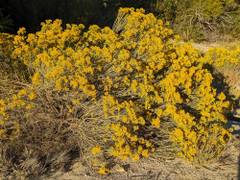
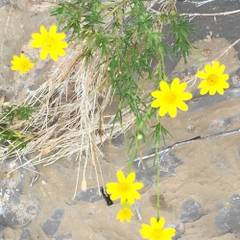
Ericameria is a genus of about 35 species of resinous shrubs and subshrubs in the family Asteraceae, native to the arid and semi-arid western United States, Mexico, and adjacent regions. Plants form rounded to upright bushes 0.3-3 m (1-10 ft) tall with many slender, flexible, often white- or grey-felted stems. The leaves are small, narrow to thread-like, 1-7 cm (0.4-2.8 in) long, frequently crowded along the stems and coated in sticky resin that gives the foliage a pungent scent. In late summer and autumn the stems carry dense, flat-topped or rounded clusters of small golden-yellow flower heads, many lacking ray florets and made up of tubular disc flowers. The dry seeds bear a tuft of bristles and disperse on wind. Ericameria nauseosa, rubber rabbitbrush, is a widespread species of dry rangeland and roadsides. Plants are deeply drought-tolerant and grow on poor, alkaline, and saline soils, but they are short-lived and can spread into disturbed ground, and the pollen contributes to late-season hay fever.
Native Range
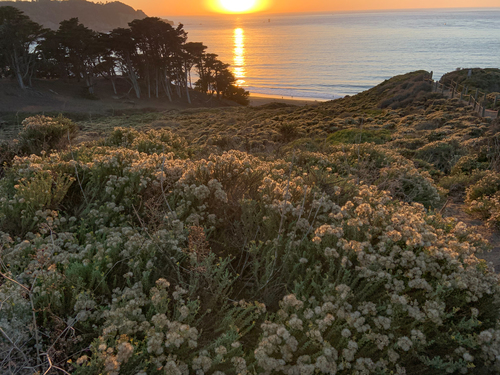
Ericameria is native to western North America, centered on the deserts, sagebrush steppe, dry grasslands, and mountain slopes of the western United States and northern Mexico. Plants grow on open, well-drained, often poor or alkaline ground.Suggested Uses
Ericameria is grown in dryland, native, and wildlife gardens of the western United States for its late-season yellow flowers and tolerance of harsh sites. It is used for erosion control and revegetation on poor, disturbed, and roadside soils. The late bloom supports pollinators after most other plants have finished.How to Identify
Appearance
Size & Dimensions
Height1' - 10'
Width/Spread1' - 8'
Bloom Information
Flowering comes late in the season, August to October, when most other shrubs have finished. The clustered yellow heads cover the bushes and draw butterflies, native bees, and other late insects to their nectar. Fluffy seed heads follow and persist into winter.
Detailed Descriptions
Foliage Description
Grey-green to greenGrowing Conditions
Sun Requirements
Requires 6-12 hours of direct sunlight daily
• Full Sun: 6+ hours of direct sunlight
• Partial Shade: 3-6 hours of direct sunlight
• Full Shade: Less than 3 hours of direct sunlight
Care & Maintenance
Care Guide
Ericameria grows in full sun on lean, dry, well-drained soils, including sandy, rocky, alkaline, and saline ground, and needs little or no summer water once established. Plants tolerate heat, wind, cold, and poor fertility but rot in rich, wet, or poorly drained soils. They are hardy in much of the interior west, roughly USDA zones 4-9 depending on species. Growth is fast but the plants are short-lived, often declining after five to ten years. Hard pruning in spring keeps them dense and renews leggy growth. Self-sown seedlings appear readily on open, disturbed ground.Pruning
Plants are cut back hard in early spring before new growth begins, since the flowers form on the current season's stems and old wood becomes sparse. Removing up to half the height keeps the bushes compact. Spent seed heads are sheared off to reduce self-seeding.Pruning Schedule
Prune: March–April
early spring