Eragrostis, Genus, curvula, Species,
- Genus & species
African love grass
Overview
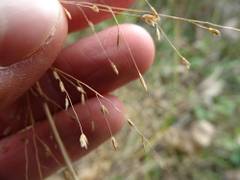
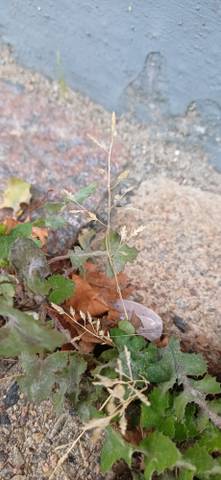
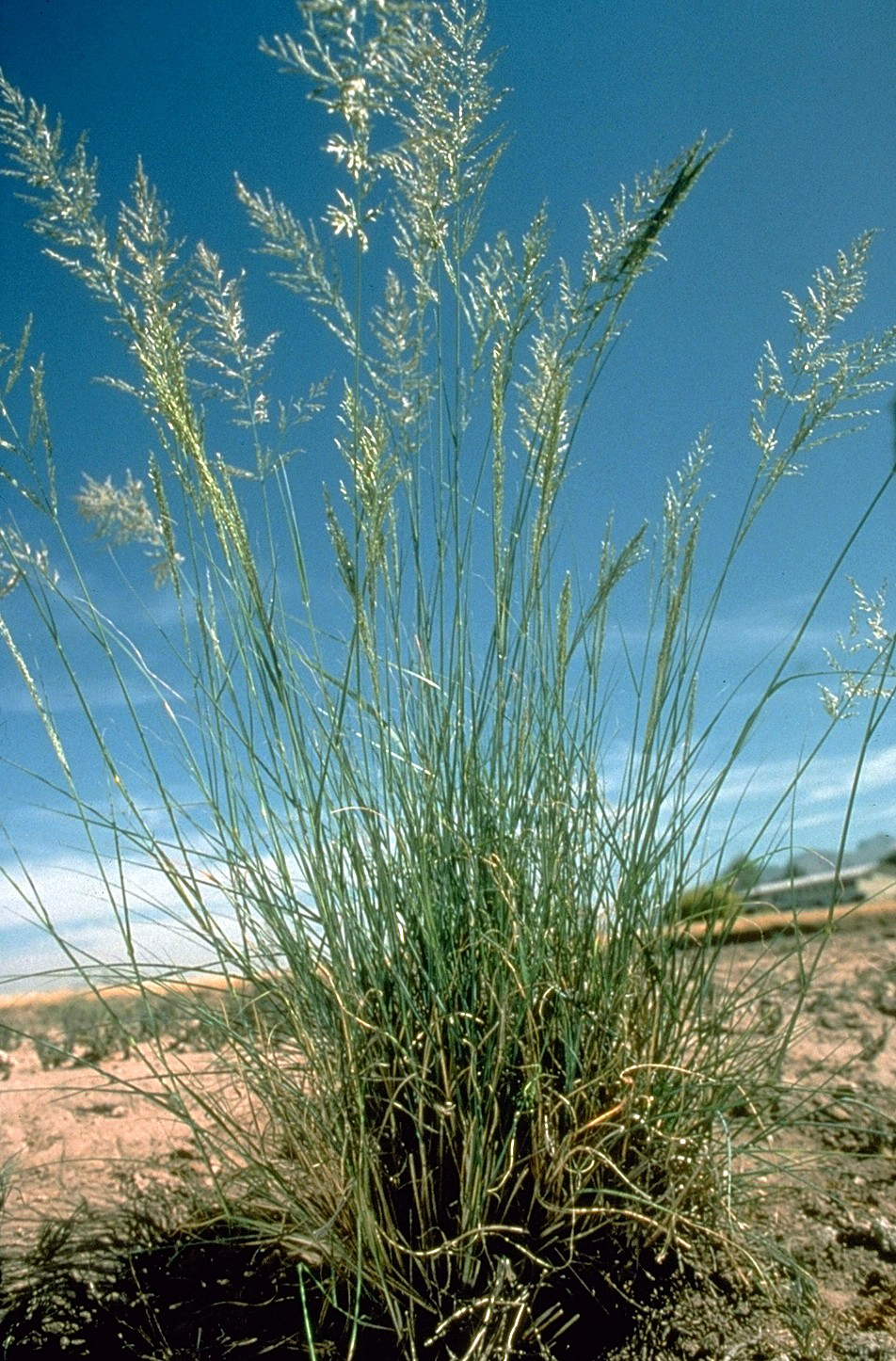
Eragrostis curvula is a densely tufted perennial grass in the family Poaceae forming a tussock 2-4 feet (0.6-1.2 m) tall and 1.5-3 feet (0.5-1 m) wide, with a deep, fibrous root system. The narrow leaf blades are 8-26 inches (20-65 cm) long, slender, and curved, drooping at the tips and ranging from grey-green to deep green. Airy, open seed heads 4-12 inches (10-30 cm) long appear from late spring through autumn, grey-green ageing to straw-brown, and carry very large numbers of small seeds. A single plant can produce tens of thousands of seeds a year, and stands spread rapidly on disturbed and overgrazed ground. Native to southern Africa, it has been planted for erosion control and pasture and has naturalised widely outside its range. Eragrostis curvula is listed as an environmental or noxious weed in parts of New South Wales and other Australian states, with sale and movement restricted under some state regulations. It tolerates drought, poor soils, and frost, and is unpalatable to stock once mature.
Native Range
Native to southern Africa, including South Africa, Lesotho, and adjacent regions, in grassland and disturbed ground. Widely introduced elsewhere, including Australia and North America, where it has naturalised and spread beyond cultivation.Suggested Uses
Historically planted for erosion control, roadside stabilisation, and low-grade pasture on poor soils, spaced 1.5-3 feet (0.5-1 m) apart. Its weed status and rapid seeding now restrict its use across many Australian regions, and removal is common in conservation areas. Where present, it binds soil on banks and disturbed slopes.How to Identify
Appearance
Size & Dimensions
Height2' - 4'
Width/Spread1'6" - 3'
Colors
Bloom Information
Seed heads develop from late spring through autumn, mainly October to April in its naturalised Australian range. The open panicles persist for weeks and shed seed over a long period. Flowering and seeding continue across much of the warm season wherever moisture allows.
Detailed Descriptions
Flower Description
grey-green to straw-brownFoliage Description
grey-green to greenGrowing Conditions
Sun Requirements
Requires 6-12 hours of direct sunlight daily
• Full Sun: 6+ hours of direct sunlight
• Partial Shade: 3-6 hours of direct sunlight
• Full Shade: Less than 3 hours of direct sunlight
Care & Maintenance
Care Guide
Grows in full sun on a wide range of soils, including sandy, poor, and compacted ground, and tolerates drought, frost, and low fertility. The deep roots make established clumps hard to remove by hand, and plants resprout after cutting and fire. Stands spread by abundant seed carried on machinery, water, animals, and slashing. Mature foliage is coarse and largely unpalatable to grazing stock, so it builds up where more palatable species are grazed out. In managed settings it is controlled with herbicide and by removing seed heads before they ripen. Its weed status restricts its planting across many Australian regions.Pruning
Cutting or slashing removes the foliage, but the tussock reshoots from the crown. Removing or bagging seed heads before they ripen reduces spread to new ground. Cut material carrying seed becomes a source of further spread if moved.Pruning Schedule
Prune: November–December
summer