Eragrostis, Genus, spp., Multiple species,
- Genus
- Multiple species
lovegrasses
Worldwide warm regions; most diverse in Africa
Overview
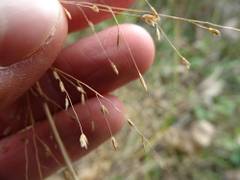
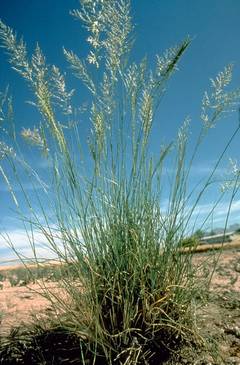
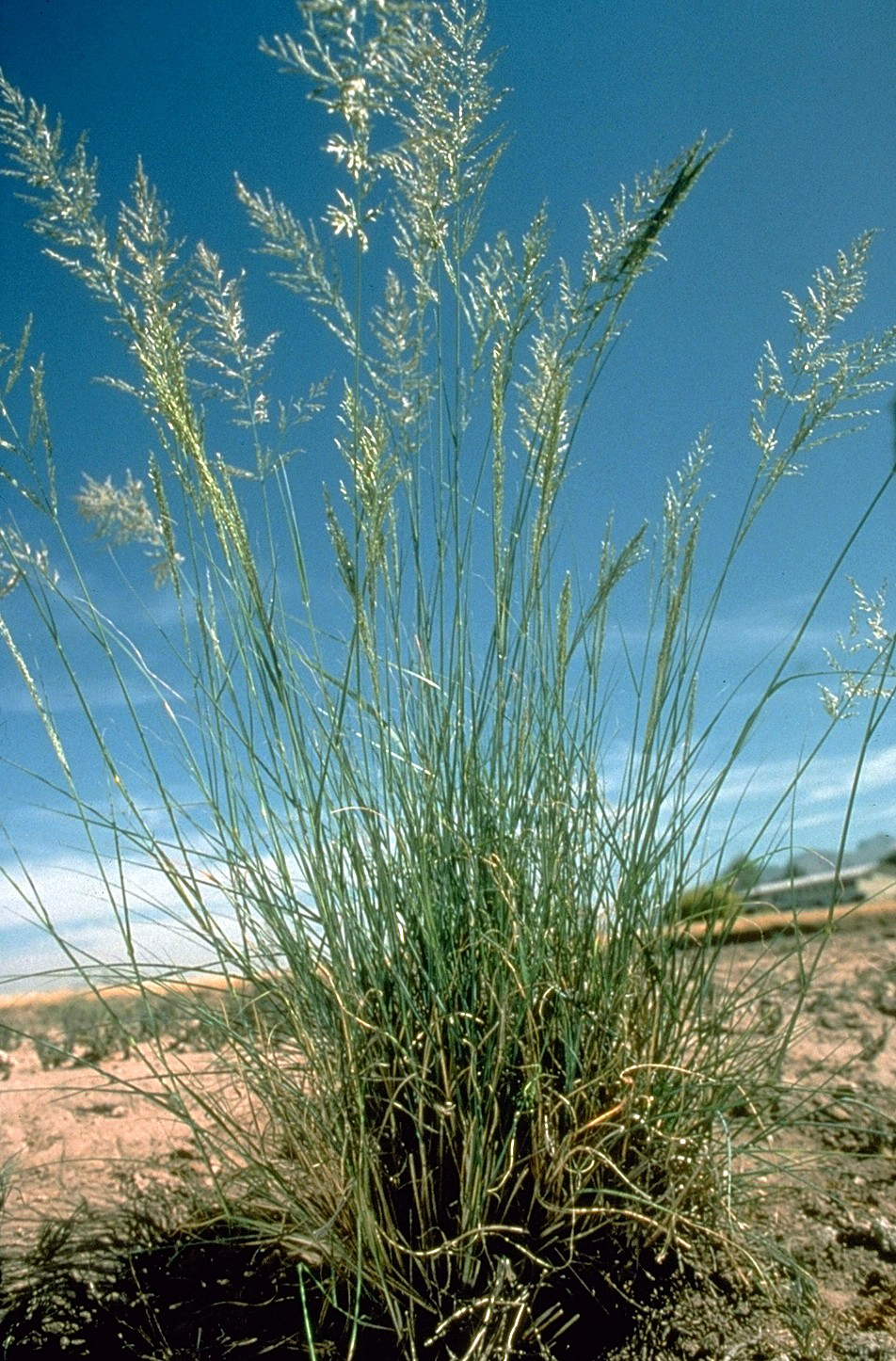
Eragrostis is a genus of about 350 species of annual and perennial grasses in the family Poaceae, known as lovegrasses, distributed across warm-temperate, subtropical, and tropical regions worldwide. Most form dense tufts or clumps 8 to 48 inches (20 to 120 cm) tall, with narrow, often inrolled leaf blades 2 to 16 inches (5 to 40 cm) long arising from the base. The flowers are borne in open, airy panicles that range from narrow and spike-like to broad and cloud-like, with many small flattened spikelets carrying 4 to 40 florets each; colour runs from grey-green and silvery to pink, red, and purple. The panicles often turn straw-coloured as seed ripens and in some species break off and roll in the wind. Eragrostis grows in grassland, savanna, open woodland, roadsides, and disturbed sandy ground, and many species tolerate heat, drought, and poor soil. The genus includes teff, E. tef, grown as a cereal grain and forage in the Horn of Africa, and weeping lovegrass, E. curvula, sown for erosion control and pasture. Purple lovegrass, E. spectabilis, is grown as an ornamental for its pink-purple seed heads, while E. lehmanniana and E. curvula have naturalized and become invasive on rangeland in the southwestern United States. Both warm-season annual and perennial species occur across the genus.
Native Range
Eragrostis is native across Africa, Asia, Australia, southern Europe, and the Americas, with the greatest concentration of species in Africa. Plants grow in grassland, savanna, and open, sandy ground. Several African species, including E. curvula and E. lehmanniana, were introduced to other continents for forage and erosion control and have naturalized widely.Suggested Uses
Ornamental species such as E. spectabilis are grown in borders, meadow plantings, and massed drifts for their coloured seed heads and autumn tints. Tough species are sown for erosion control, revegetation, and pasture, and E. tef is grown as a grain and hay crop. Dried panicles are used in arrangements.How to Identify
Appearance
Size & Dimensions
Height8" - 4'
Width/Spread8" - 3'
Bloom Information
Most lovegrasses flower in summer and early autumn, roughly June to October, with the airy panicles rising above the foliage. Warm-season species need summer heat to flower freely. The seed heads persist into winter, fading to straw or tan and catching low light.
Detailed Descriptions
Flower Description
grey-green, silver, pink, red, or purpleFoliage Description
grey-green to greenGrowing Conditions
Sun Requirements
Requires 6-12 hours of direct sunlight daily
• Full Sun: 6+ hours of direct sunlight
• Partial Shade: 3-6 hours of direct sunlight
• Full Shade: Less than 3 hours of direct sunlight
Water & Climate
Water Needs
Drought Tolerance
Drought tolerant when established
Care & Maintenance
Care Guide
Eragrostis species grow in full sun on well-drained, often sandy or poor soils and tolerate heat and drought once established. Most are warm-season grasses that green up in late spring, flower in summer, and go dormant after frost. They need little or no fertilizer and grow weakly in wet, heavy, or shaded sites. Perennial species form tufts that can be divided in spring, while annual and some perennial species self-seed freely. Several introduced lovegrasses spread aggressively and are regulated or discouraged on rangeland in parts of North America and Australia.Pruning
Perennial lovegrasses are cut back to a few inches above the crown in late winter or early spring before new growth begins. Clearing the old foliage keeps the clump tidy and lets light reach emerging shoots. Spent seed heads may be removed to limit self-seeding in species that spread.Pruning Schedule
Prune: February–March
winterearly spring
Container Growing
Suitable for container growing
Minimum container size: 3 gallons