Eragrostis, Genus, spectabilis, Species,
- Genus & species
purple lovegrass
Native to eastern North America from Maine and Quebec south to Florida and west to Minnesota and Texas in dry sandy prairies, sand dunes, sandy roadsides, and disturbed open ground
Overview
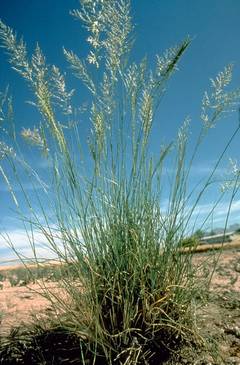
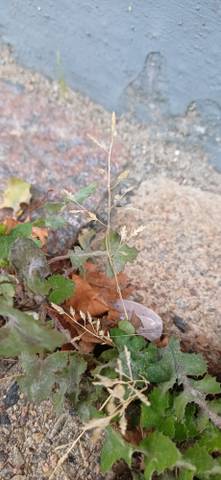
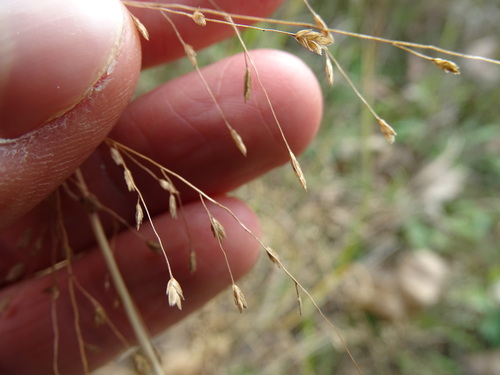
Eragrostis spectabilis is purple lovegrass — a native warm-season ornamental grass in the family Poaceae growing 18–24 inches (45–60 cm) tall and wide in a clumping habit. The species name 'spectabilis' translates as 'showy' and references the conspicuous fall flower display. Reddish-purple to rose large open airy cloud-like panicles in late summer envelop the entire upper half of the plant in a purple haze; the visual effect when mass-planted runs as a shimmering reddish-purple cloud across the landscape that catches low-angle autumn sunlight. Blue-green narrow-textured foliage forms the basal mound below the floating panicle cloud. The mature panicles detach from the plant at the base and tumble across the ground in wind like tumbleweeds — a separate seed dispersal mechanism from the more typical wind-blown individual seed dispersal that most grass species use, and the basis for the alternative common name 'tumble lovegrass'. Dry sandy soil in full sun runs as the species's typical condition; the species grows naturally on sandy prairies, dunes, and dry roadsides across the eastern United States. Strongly drought-tolerant once established. Self-sows in sandy conditions where the tumbling seed-head dispersal mechanism spreads seed across open ground. Hardy to USDA zone 5. The purple cloud effect runs visually similar to Muhlenbergia capillaris (pink muhly) but in a cooler purple-red tone rather than vivid pink, and with a hardier, more northern range that extends into zone 5 territory where pink muhly fails. Deer avoid the foliage. Not known to be toxic to pets or humans.
Native Range
Eragrostis spectabilis is native to eastern North America — from Maine and Quebec south to Florida and west to Minnesota and Texas — in dry sandy prairies, sand dunes, sandy roadsides, and disturbed open ground.Suggested Uses
Used in sandy-soil gardens, dry prairie restorations, mass plantings for the purple cloud visual effect, native plant gardens, and containers of 5 gallons (19 liters) or more with sandy potting mix. The mass planting application runs as the principal display method — the cloud-like panicles read most effectively in groups of 5+ plants where the individual panicle effect compounds into a continuous purple haze across the planting. The tumbling seed-head dispersal mechanism gives the species a kinetic landscape feature in fall and early winter — the detached panicles roll and tumble across open ground in wind. The species runs as the native warm-season alternative to Muhlenbergia capillaris in colder zones (zone 5 versus zone 6) where pink muhly fails to overwinter reliably.How to Identify
Appearance
Size & Dimensions
Height1'6" - 2'
Width/Spread1'6" - 2'
Bloom Information
Flowering from August through October across approximately 6 weeks. Reddish-purple to rose airy cloud-like panicles emerge from the basal foliage and envelop the upper plant. Mature seed heads detach at the base of the panicle and tumble across the ground in wind, dispersing seed across open ground until the panicle catches against vegetation or terrain. Plants run wind-pollinated; the tumbling seed-head dispersal mechanism runs as a secondary seed distribution method beyond the wind-dispersal of individual seeds.
Detailed Descriptions
Flower Description
Reddish-purple to rose; large open airy cloud-like panicles enveloping the upper plant in a purple hazeFoliage Description
Blue-green; narrow-textured leaf blades forming basal moundGrowing Conditions
Sun Requirements
Requires 6-12 hours of direct sunlight daily
• Full Sun: 6+ hours of direct sunlight
• Partial Shade: 3-6 hours of direct sunlight
• Full Shade: Less than 3 hours of direct sunlight
Care & Maintenance
Care Guide
Plant in full sun with at least 6 hours of direct light. Sandy well-drained soil at pH 5.5–7.5 suits the species; the species runs strongly drought-tolerant once established and tolerates the lean dry conditions of sandy prairie habitat. Self-sows readily in sandy conditions where the tumbling seed heads spread seed across open ground; in tidy garden beds the self-sowing may produce volunteer seedlings beyond the planting boundary, requiring removal. Cut all foliage to 4 inches (10 cm) above ground in early spring before new growth emerges; warm-season grasses emerge later in spring than cool-season grasses, and waiting for new growth to start before cutting back avoids damage to emerging shoots. Hardy to USDA zone 5. No fertilization — the lean-soil prairie adaptation runs disrupted by added fertility.Pruning
Cut all foliage to 4 inches (10 cm) above ground in early spring before new growth emerges. The tumbling seed heads will have detached from the plant naturally during the late fall and winter season, leaving only the basal foliage to cut back. No other seasonal pruning is needed.Pruning Schedule
Prune: March
spring
Container Growing
Suitable for container growing
Minimum container size: 5 gallons