Epipactis, Genus, gigantea, Species,
- Genus & species
stream orchid
Overview
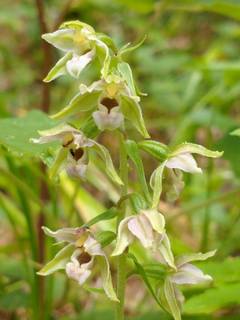
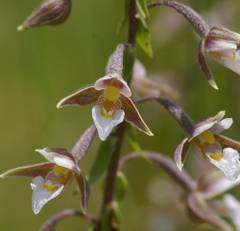
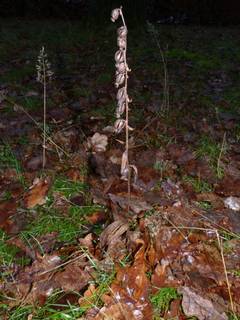
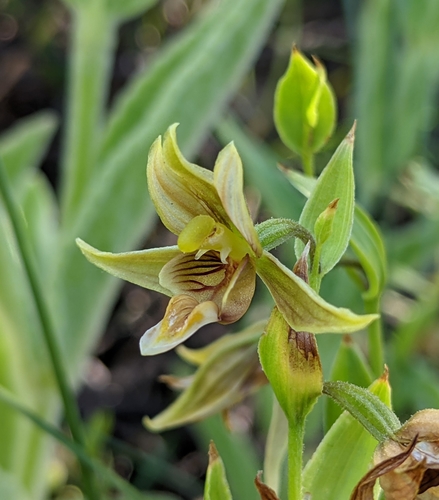
Epipactis gigantea is a rhizomatous terrestrial orchid of western North America, forming spreading colonies 1-3 feet (30-90 cm) tall. Erect leafy stems carry alternate, lance-shaped, strongly pleated leaves 2-8 inches (5-20 cm) long that clasp the stem. From late spring into summer each stem bears a loose raceme of 3-15 flowers about 1-1.5 inches (2.5-4 cm) across. The greenish sepals are veined with reddish-brown, and the lower lip is marked with orange and red and moves slightly in the breeze, giving rise to the common name chatterbox. The plant grows along streambanks, seeps, springs, and other permanently moist ground, often in alkaline or serpentine soils from British Columbia south to Mexico. It spreads by creeping rhizomes to form open patches but does not tolerate drying out, collapsing quickly if the water table drops. Flowers are pollinated chiefly by hoverflies drawn to lip markings that mimic aphid colonies. Foliage yellows and dies to the ground in autumn, and the plant overwinters as dormant rhizomes. It accepts a wide pH range but requires year-round soil moisture and will not persist in ordinary garden beds that dry between waterings.
Native Range
Epipactis gigantea is native to western North America, from British Columbia south through the western United States to Texas and into northern Mexico. It grows in permanently wet ground along streams, seeps, and hot-spring margins, often on alkaline or serpentine soils.Suggested Uses
Epipactis gigantea is used at pond and stream margins, in bog gardens, and in permanently wet low spots. It is planted in groups spaced 12-18 inches (30-45 cm) apart to form spreading colonies.How to Identify
Appearance
Size & Dimensions
Height1' - 3'
Width/Spread1' - 2'
Bloom Information
Detailed Descriptions
Flower Description
Greenish with reddish-brown and orange veiningFoliage Description
Bright greenGrowing Conditions
Sun Requirements
Requires 4-8 hours of direct sunlight daily
• Full Sun: 6+ hours of direct sunlight
• Partial Shade: 3-6 hours of direct sunlight
• Full Shade: Less than 3 hours of direct sunlight
Care & Maintenance
Care Guide
Epipactis gigantea grows in permanently moist to wet soil in full sun to part shade and accepts a wide pH range from about 6.5 to 8.0. It suits pond margins, bog gardens, and the wet edges of streams, but fails in beds that dry between waterings. The rhizomes spread outward in soft, consistently damp ground and can be divided in early spring. Foliage dies back in autumn and reappears from the rhizome in spring. No fertilizer is required in mineral-rich wet soils. It is hardy to USDA zone 5 when the roots remain insulated by wet soil.Pruning
Epipactis gigantea needs no formal pruning. Spent flower stems and yellowed foliage can be cut to the ground in late autumn once the plant goes dormant. Crowded colonies can be lifted and divided in early spring.Pruning Schedule
Prune: November
fall