Epilobium, Genus, spp., Multiple species,
- Genus
- Multiple species
willowherbs
Temperate, boreal, and montane regions of both hemispheres
Overview
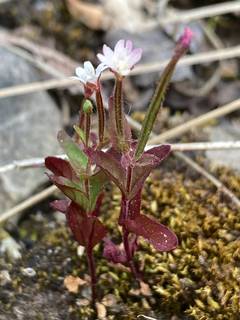
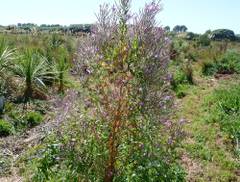
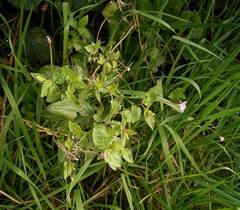
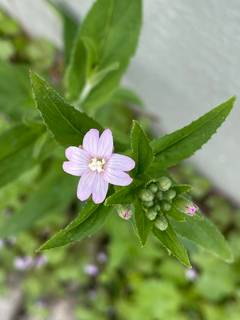
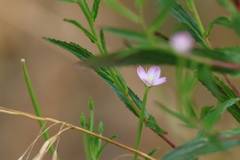
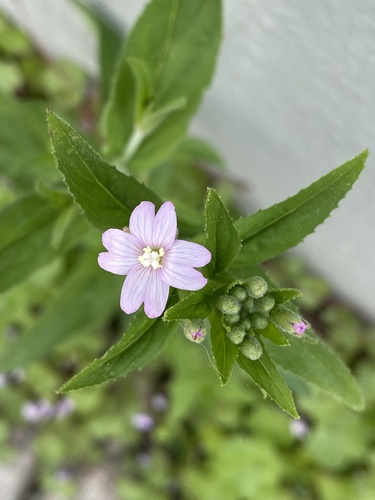
Epilobium is a genus of roughly 160 to 200 species of annual and perennial herbs in the evening-primrose family, Onagraceae, known as willowherbs. Erect, often reddish stems rise 4 inches to 8 feet (10 cm to 2.5 m) tall, taller in robust species such as great willowherb (E. hirsutum) and lower in alpine forms. The leaves are usually opposite below and alternate above, lance-shaped and willow-like, 1 to 5 inches (2.5 to 12 cm) long, with finely toothed or smooth margins. Flowers have four notched petals in pink, rose-purple, magenta, or white, 0.2 to 1 inch (5 to 25 mm) across, borne above a long, slender inferior ovary. After bloom this ovary lengthens into a narrow capsule 1.5 to 4 inches (4 to 10 cm) long that splits into four curling valves, releasing many seeds each carried on a tuft of silky white hairs. Epilobium grows across the temperate and cold regions of both hemispheres, from streambanks and meadows to gravel bars, ditches, and recently burned or cleared ground. Several species spread quickly by wind-blown seed and creeping roots, and a few are troublesome weeds of gardens and waste places.
Native Range
Epilobium is distributed throughout the temperate, boreal, and montane zones of both the Northern and Southern Hemispheres, with strong representation in North America, Europe, Asia, and New Zealand. Species occupy moist meadows, streamsides, forest clearings, gravel flats, roadside ditches, and disturbed or burned ground.Suggested Uses
Ornamental willowherbs and compact alpine species are planted in moist borders, bog and streamside gardens, gravel beds, and wildflower meadows, spaced 12 to 18 inches (30 to 45 cm) apart. The nectar-rich flowers support bees and the seed fluff lines bird nests. Fireweed-type species are used to revegetate burned and disturbed sites.How to Identify
Appearance
Size & Dimensions
Height4" - 8'
Width/Spread8" - 2'
Bloom Information
Most Epilobium bloom from early summer into autumn, generally June to September, with flowers opening in sequence up the stem so that buds, blooms, and seed capsules appear together. Individual flowers are 0.2 to 1 inch (5 to 25 mm) across in pink, rose-purple, or white. Bees and hoverflies work the flowers for nectar. Seed release follows within a few weeks of each flower fading.
Detailed Descriptions
Flower Description
pink, rose-purple, magenta, or whiteFoliage Description
green, often on reddish stemsGrowing Conditions
Sun Requirements
Requires 4-10 hours of direct sunlight daily
• Full Sun: 6+ hours of direct sunlight
• Partial Shade: 3-6 hours of direct sunlight
• Full Shade: Less than 3 hours of direct sunlight
Care & Maintenance
Care Guide
Epilobium grows in full sun to partial shade and moist, well-drained soil across a pH range of 5.5 to 7.5, with several species accepting damp or seasonally wet ground. Most are cold hardy to USDA zone 3 and need little care once established. Plants spread by both wind-blown seed and shallow rhizomes, so vigorous species can colonize beyond their intended space. Cutting plants back after flowering reduces self-sowing. Rust and powdery mildew occur on crowded plants in still air. Garden forms and the lower-growing alpine willowherbs spread less than the tall wetland species.Pruning
Cutting Epilobium back to the ground after flowering removes ripening seed capsules and limits self-sowing, and tall species can be sheared by half in late spring to reduce height and flopping. Perennial clumps are divided in spring to control their spread. Dead stems are cleared in late winter before new growth.Pruning Schedule
Prune: September–October
fall
Container Growing
Suitable for container growing
Minimum container size: 2 gallons