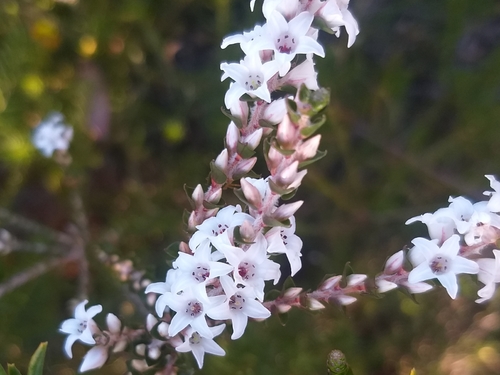
Epacris, Genus, microphylla, Species,
- Genus & species
coral heath
Overview
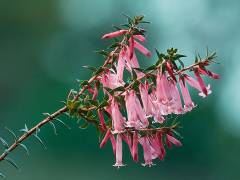
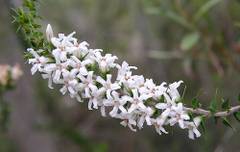
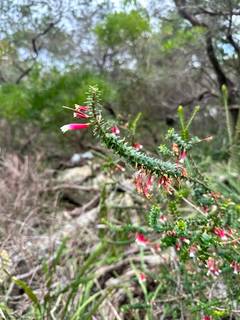
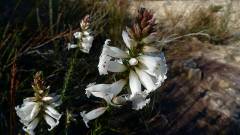
Epacris microphylla is a slender, upright heath shrub 12-40 inches (30-100 cm) tall, with thin wiry stems and crowded, tiny leaves. The leaves are 0.08-0.2 inch (2-5 mm) long, stiff, heart-shaped, and overlapping closely along the stems. Small white, occasionally pink-tinged, star-shaped flowers about 0.2 inch (4-6 mm) across line the upper stems densely from autumn through spring, each with five spreading lobes. The narrow flowering branches give the shrub a slender, twiggy outline. Growth is slow, and plants are 18-30 inches (45-75 cm) across at maturity. It grows in damp, sandy, peaty soils of low fertility and is short-lived in cultivation, declining in rich, dry, or limey soils.
Native Range
Native to eastern Australia, from Tasmania and Victoria through New South Wales to Queensland. Grows in heathland, on swamp margins, and in damp sandstone country on moist, sandy or peaty soils low in nutrients.Suggested Uses
Grown in heath and native gardens, rockeries, and containers of free-draining acidic mix, spaced 12-18 inches (30-45 cm) apart. Suits damp, low-nutrient sites alongside other heath plants. Also grown as a cut flower for its sprays of small white blooms.How to Identify
Appearance
Size & Dimensions
Height1' - 3'4"
Width/Spread1'6" - 2'6"
Bloom Information
Detailed Descriptions
Foliage Description
greenGrowing Conditions
Sun Requirements
Requires 4-9 hours of direct sunlight daily
• Full Sun: 6+ hours of direct sunlight
• Partial Shade: 3-6 hours of direct sunlight
• Full Shade: Less than 3 hours of direct sunlight
Care & Maintenance
Care Guide
Grows in full sun to light shade in moist, sandy or peaty soil of low fertility with reliable drainage. Maintain an evenly moist root zone, as the shallow roots dry out quickly, but standing water causes rot. Phosphorus-rich fertilisers damage the roots, as with many plants from nutrient-poor soils. Frost-hardy to about 23°F (-5°C). It is short-lived, often persisting four to six years, and is renewed from cuttings or seed. Root rot in poorly drained or limey soil is the main cause of plant loss.Pruning
Light tip-pruning after flowering keeps the shrub bushy and prevents bare, woody stems. Spent flowering stems are trimmed to shape the plant in spring. Hard pruning into old wood is poorly tolerated and is generally left undone.Pruning Schedule
Prune: October–November
spring
Container Growing
Suitable for container growing
Minimum container size: 2 gallons