Edraianthus, Genus, spp., Multiple species,
- Genus
- Multiple species
grassy bells
Overview
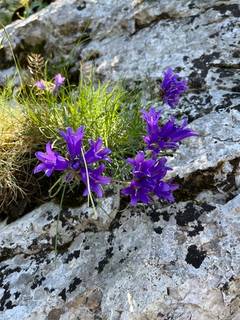
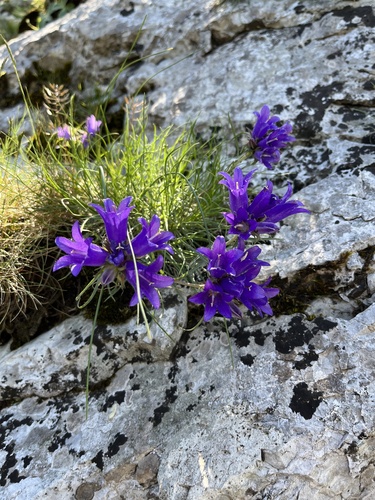
Edraianthus is a genus of about 20 species of low, tufted perennials in the bellflower family, Campanulaceae, native to the mountains of southern Europe and the Balkans, with outliers in the Caucasus. Known as grassy bells, plants form dense cushions or rosettes of narrow, grass-like leaves 2-10 cm (0.8-4 in) long from a woody rootstock and taproot. In late spring and early summer, short stems carry tight terminal clusters of upward- or outward-facing bell-shaped flowers, each 1.5-3 cm (0.6-1.2 in) long, in shades of violet, blue-purple, and occasionally white. A ring of leafy bracts sits beneath each flower cluster. Some species, such as E. pumilio, bear single flowers on very short stems over tight cushions. The genus grows on rocky slopes, screes, and in mountain grassland, often on limestone, and needs sharp drainage and full sun. Plants are short-lived in heavy or wet soils. In gardens grassy bells are grown in rock gardens, troughs, and crevice plantings.
Native Range
Native to the mountains of southern Europe and the Balkan Peninsula, extending to Italy and the Caucasus. Plants grow on rocky slopes, limestone screes, and in subalpine grassland.Suggested Uses
Grown in rock gardens, scree beds, troughs, and crevice gardens, and in the gaps of dry stone walls. Suited to alpine houses and gritty containers where drainage and winter dryness can be controlled.How to Identify
Appearance
Size & Dimensions
Height2" - 8"
Width/Spread6" - 1'
Bloom Information
Detailed Descriptions
Flower Description
violet to blueFoliage Description
greenGrowing Conditions
Sun Requirements
Requires 6-12 hours of direct sunlight daily
• Full Sun: 6+ hours of direct sunlight
• Partial Shade: 3-6 hours of direct sunlight
• Full Shade: Less than 3 hours of direct sunlight
Care & Maintenance
Care Guide
Grows in full sun in gritty, sharply drained soil of low fertility, with a mineral or gravel topdressing around the crown. Plants withstand drought once established but rot in wet, heavy ground, especially over winter. Most species are hardy to about USDA zone 5 with dry winter conditions. Cushions are short-lived and are renewed from seed or careful division. A collar of grit around the neck keeps moisture off the crown.Pruning
Spent flower clusters are trimmed off after bloom to keep cushions neat and limit self-sowing where not wanted. No other pruning is needed. Old, woody, or rotted patches are cut out and the gaps replanted.Pruning Schedule
Prune: July
summer
Container Growing
Suitable for container growing
Minimum container size: 1 gallons