Drosera, Genus, glanduligera, Species,
- Genus & species
pimpernel sundew
Overview
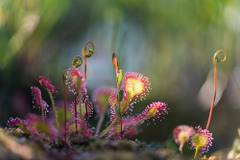
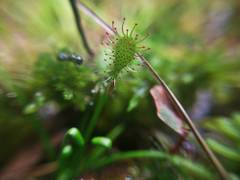
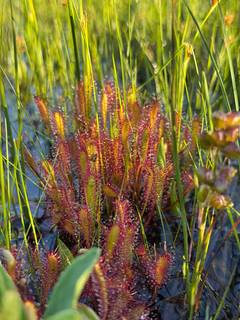
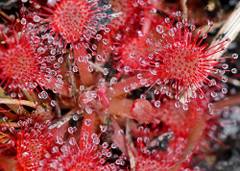
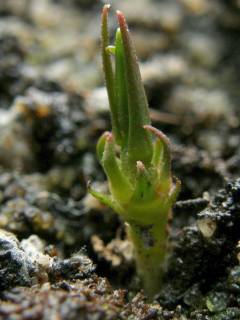
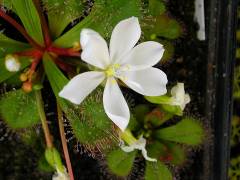
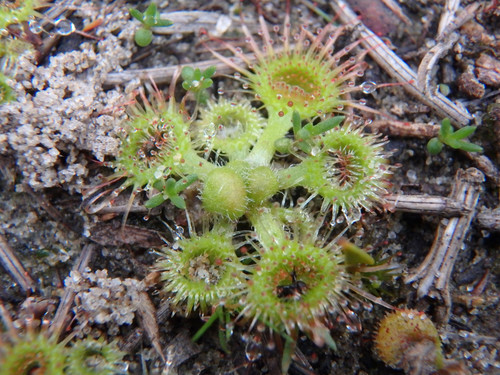
Drosera glanduligera is a small annual carnivorous herb forming a flat basal rosette 0.4-1.6 inches (1-4 cm) across. The wedge-shaped leaves are covered with red, gland-tipped tentacles that secrete sticky mucilage to trap insects; fast-moving outer snap-tentacles flick prey onto the sticky center within a fraction of a second. Slender flower stems 1.5-6 inches (4-15 cm) tall carry several orange to orange-red flowers about 0.4 inch (10 mm) across that open in sunshine. Flowering occurs in late winter and spring. The plant completes its life cycle in a single season, germinating after autumn rains, flowering, setting seed, and dying by early summer. It grows in seasonally moist, sandy or peaty soils in heath and open ground that dries over summer.
Native Range
Native to southern Australia, across Western Australia, South Australia, Victoria, New South Wales, and Tasmania. Grows in seasonally wet, nutrient-poor sandy and peaty soils in heath, woodland, and disturbed open ground that dries out in summer.Suggested Uses
Grown by carnivorous-plant enthusiasts in pots of sandy, peaty mix kept wet during the growing season. It suits terrariums and bog gardens where seasonal moisture and a dry summer can be provided. Its annual habit means it must be raised from seed each year.How to Identify
Appearance
Size & Dimensions
Height2" - 6"
Width/Spread1" - 2"
Bloom Information
Detailed Descriptions
Foliage Description
green and redGrowing Conditions
Sun Requirements
Requires 6-10 hours of direct sunlight daily
• Full Sun: 6+ hours of direct sunlight
• Partial Shade: 3-6 hours of direct sunlight
• Full Shade: Less than 3 hours of direct sunlight
Water & Climate
Water Needs
Care & Maintenance
Care Guide
Grows in full sun in permanently moist, nutrient-poor sandy or peaty soil during the growing season. Water with rainwater or distilled water, as the plant is sensitive to minerals and fertilizers. It germinates after autumn rains and needs a dry summer dormancy once seed has set. The plant captures small insects to supplement nutrients and needs no feeding. Fungal damping-off can affect seedlings in stagnant, airless conditions. Being annual, it relies on fresh seed each year to persist.Pruning
No pruning is required. Dead flower stems can be left to ripen and shed seed for the next season. The whole plant dies back naturally after seeding in early summer.Container Growing
Suitable for container growing
Minimum container size: 1 gallons
Toxicity
Non-toxicPlanting Guide
Planting Methods & Timing
Planting Method
direct sow