Diervilla, Genus, ×, Hybrid, splendens, Species,
- Genus & species
- Hybrid
bush honeysuckle
Overview
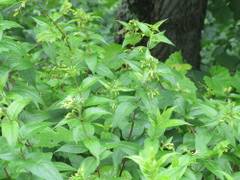
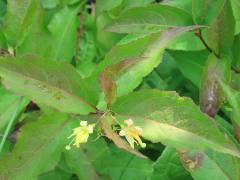
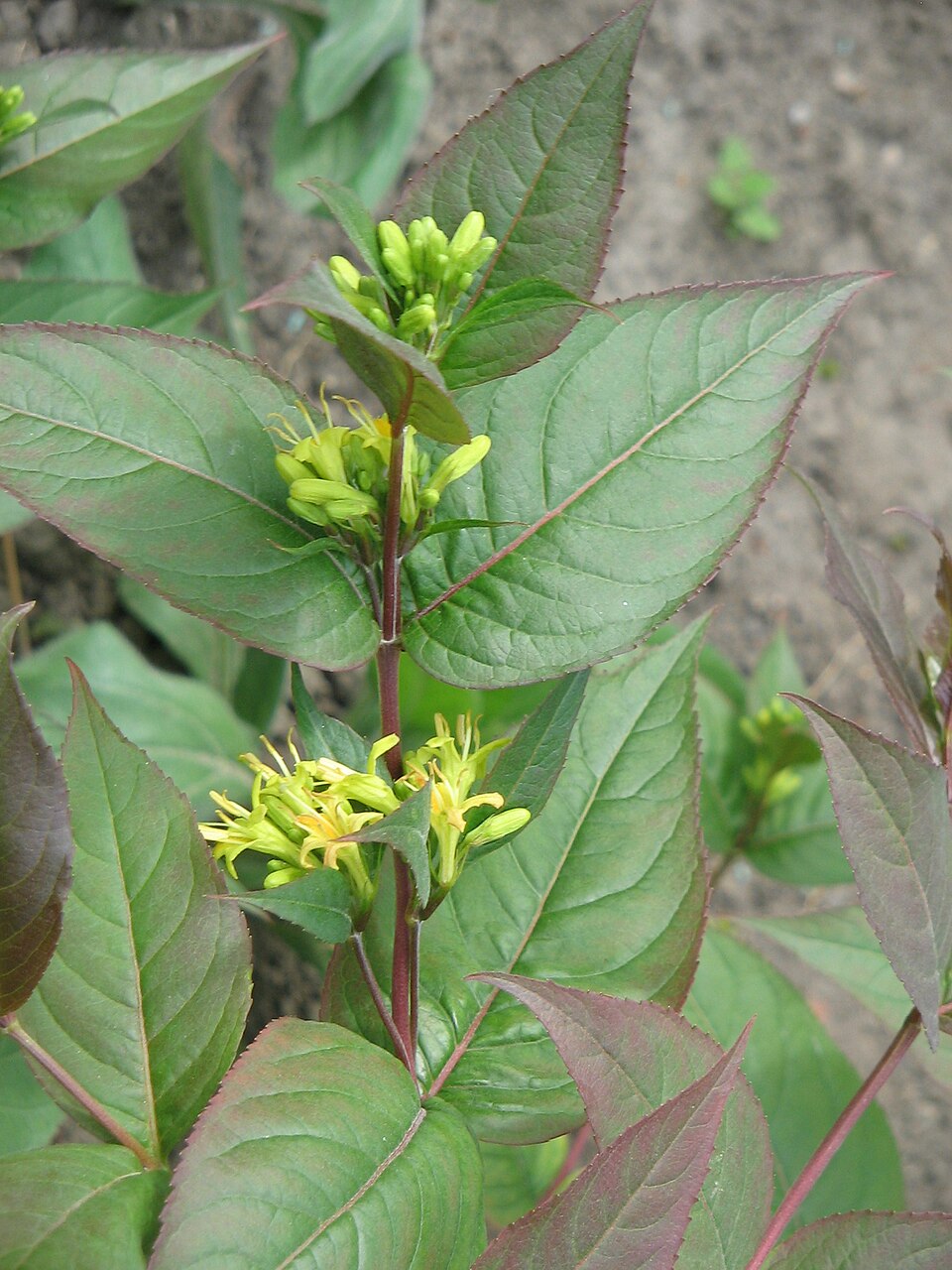
Diervilla × splendens is a deciduous spreading shrub reaching 3-5 feet (90-150 cm) tall and 4-6 feet (120-180 cm) wide, formed from natural and garden hybridization between D. lonicera and D. sessilifolia. Foliage opposite, lance-shaped to ovate, 2-4 inches (5-10 cm) long, emerging copper-red in spring, maturing to deep green in summer, and turning red-bronze in fall. Flowers tubular, sulfur-yellow, 0.5-0.75 inch (1-2 cm) long, in terminal and axillary clusters of 3-7. Bloom continues from late spring through summer (June-August in zones 4-7), with sporadic flowering on new growth into early fall. Spreads slowly by stoloniferous suckers 6-12 inches (15-30 cm) per season; over 8-10 years can form colonies 8-15 feet (2.4-4.5 m) wide. Hardy to USDA zone 4. Lifespan 15-25 years. Tolerates dry shade, slope sites, and rocky soils where many shrubs decline.
Native Range
Both parent species are native to North America: D. lonicera from Newfoundland west to Saskatchewan and south to Georgia, in dry rocky woods and slopes; D. sessilifolia from the southern Appalachians of Tennessee and North Carolina. The hybrid D. × splendens occurs naturally where the parental ranges overlap and is also raised commercially.Suggested Uses
Used on slopes for erosion control, in mixed shrub borders, and along woodland edges at 4-6 foot (1.2-1.8 m) spacing. Common in commercial and roadside plantings for tolerance of dry shade and poor soils. Suited to native plant landscapes in eastern North America; supports native bee species more strongly than non-native Lonicera.How to Identify
Appearance
Size & Dimensions
Height3' - 5'
Width/Spread4' - 6'
Bloom Information
Detailed Descriptions
Foliage Description
copper-red emerging, deep green in summer, red-bronze in fallGrowing Conditions
Sun Requirements
Requires 3-10 hours of direct sunlight daily
• Full Sun: 6+ hours of direct sunlight
• Partial Shade: 3-6 hours of direct sunlight
• Full Shade: Less than 3 hours of direct sunlight
Care & Maintenance
Care Guide
Grown in full sun to part shade in well-drained soil; tolerates clay, sand, and rocky soils. Soil pH 5.5-7.5 suits the genus. Water weekly during the first growing season; established plants tolerate 3-4 weeks without rain on slope sites. Hardy to USDA zone 4 (-30°F / -34°C). Pest and disease pressure is light; aphids occasionally feed on new growth in spring without lasting damage. Suckering spread can crowd nearby plantings over 5-10 years; root barriers or mowed margins limit spread.Pruning
Cut stems back by one-third in late winter or early spring (March-April) to renew growth and encourage branching. Bloom occurs on current-season wood, so spring pruning does not reduce flowering. Remove suckers as they emerge to control spread. Hard rejuvenation cuts to 6-12 inches (15-30 cm) above ground every 5-7 years restore vigor in declining colonies.Pruning Schedule
Prune: March–April
early spring
Container Growing
Suitable for container growing
Minimum container size: 7 gallons