Dichanthelium, Genus, oligosanthes, Species,
- Genus & species
Heller's rosette grass
Overview
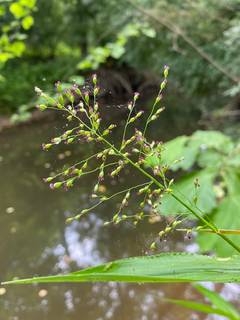
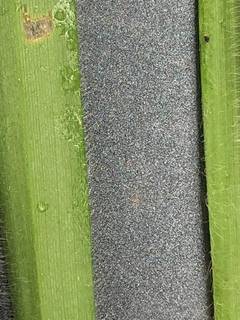
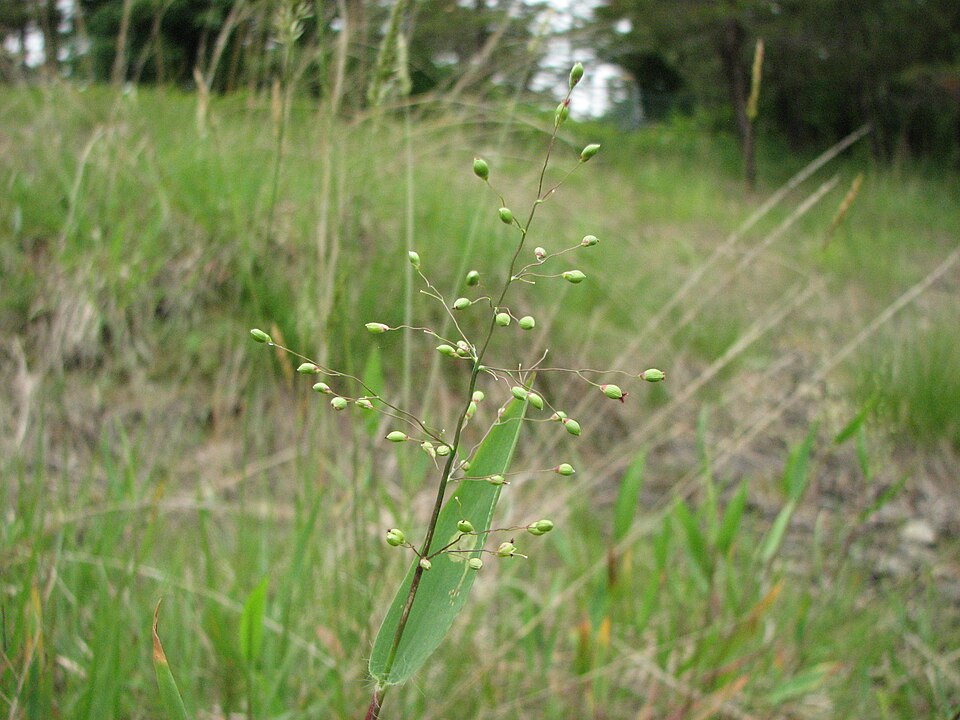
Dichanthelium oligosanthes is a clump-forming perennial grass reaching 8-30 inches (20-75 cm) tall, growing in tufts from a basal rosette of broad winter leaves. In spring it sends up erect culms bearing an open, pyramid-shaped panicle 2-5 inches (5-13 cm) long of small spikelets; in late summer and fall it produces smaller, branched secondary panicles partly hidden among the leaves. The leaf blades are flat, 2-6 inches (5-15 cm) long and up to 0.5 inch (1.3 cm) wide, often with hairy sheaths. Spikelets are rounded, about 0.1 inch (2.5-4 mm) long. D. oligosanthes grows in dry to medium open woods, savannas, prairies, glades, and roadsides across much of North America. It stays low and overwinters as a flat green rosette, then renews growth in spring. The grass supplies seed for birds and cover for small wildlife. Growth thins in dense shade and on continually wet soils.
Native Range
Dichanthelium oligosanthes is native to much of North America, from southern Canada across the United States to Mexico. It grows in dry to medium open woodland, savannas, prairies, rocky glades, and disturbed open ground.Suggested Uses
Dichanthelium oligosanthes is grown in prairie and meadow plantings, woodland edges, and native lawns, spaced 8-12 inches (20-30 cm) apart. It serves as a larval host for several skipper butterflies and supplies seed for ground-feeding birds. Its low clumps add texture to native plantings.How to Identify
Appearance
Size & Dimensions
Height8" - 2'6"
Width/Spread8" - 1'4"
Bloom Information
Detailed Descriptions
Flower Description
Green to tanFoliage Description
GreenGrowing Conditions
Sun Requirements
Requires 4-10 hours of direct sunlight daily
• Full Sun: 6+ hours of direct sunlight
• Partial Shade: 3-6 hours of direct sunlight
• Full Shade: Less than 3 hours of direct sunlight
Care & Maintenance
Care Guide
Dichanthelium oligosanthes grows in full sun to part shade in dry to medium, well-drained sandy, loamy, or rocky soil with a pH from 5.5 to 7.5. It withstands drought once established and grows on lean, low-fertility ground. Plants form tidy clumps and overwinter as a flat green rosette, renewing growth each spring. Self-seeding produces scattered new plants. Growth thins in deep shade and on soils that stay wet. It needs no fertilizer in most settings.Pruning
Cutting clumps back in late winter clears old foliage before the spring rosette expands. The winter rosette is left in place, since it carries the plant through the cold season. No other pruning is needed.Pruning Schedule
Prune: February–March
winter