Dichanthelium, Genus, spp., Multiple species,
- Genus
- Multiple species
rosette grasses
Overview
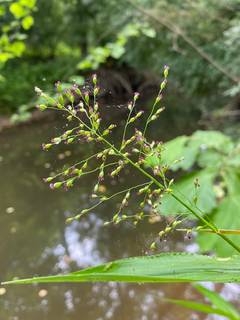
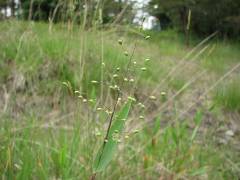
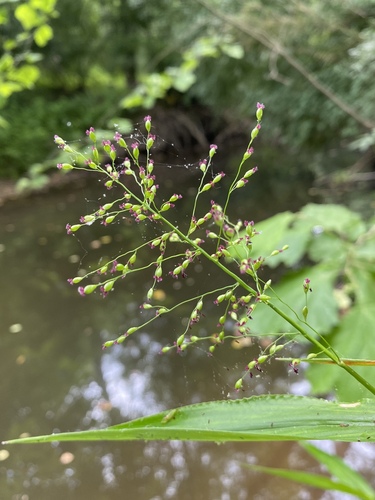
Dichanthelium is a genus of about 70 species of perennial cool-season grasses in the family Poaceae, native largely to North America and known as rosette grasses or panicgrasses. The common name refers to the flat basal rosette of short, broad winter leaves that persists through the cold months, from which taller flowering stems rise the following season. Plants form tufts 1 to 3 feet (30 to 90 cm) tall with lance-shaped blades 2 to 6 inches (5 to 15 cm) long. The genus flowers in two phases: an open, spreading panicle in spring whose flowers cross-pollinate, followed in summer and autumn by smaller, self-pollinating flowers hidden among the leaves. The spikelets are tiny, rounded, and 0.1 inch (2 to 3 mm) long. Species grow in open woodland, savanna, prairie, and disturbed ground. Many species are difficult to tell apart without close examination of the spikelets.
Native Range
Dichanthelium is native across North America, from southern Canada through the United States into Mexico and Central America, with additional species in South America and the Old World tropics. Its greatest diversity lies in the eastern and southeastern United States.Suggested Uses
Rosette grasses are used in meadow, prairie, and woodland-edge plantings and in habitat and restoration projects, where they host skipper butterfly larvae and feed seed-eating birds. They suit naturalistic borders spaced 12 to 18 inches (30 to 45 cm) apart. The overwintering rosettes add low green cover through the cold months.How to Identify
Appearance
Size & Dimensions
Height1' - 3'
Width/Spread6" - 1'6"
Bloom Information
The first flowering phase opens in mid to late spring, roughly April through June, as an open airy panicle. A second phase of small, closed flowers forms among the leaves from summer into autumn. Seed ripens through the season and feeds ground-foraging birds.
Detailed Descriptions
Flower Description
green to purplishFoliage Description
green, sometimes purple-tingedGrowing Conditions
Sun Requirements
Requires 4-6 hours of direct sunlight daily
• Full Sun: 6+ hours of direct sunlight
• Partial Shade: 3-6 hours of direct sunlight
• Full Shade: Less than 3 hours of direct sunlight
Care & Maintenance
Care Guide
Most Dichanthelium grow in full sun to part shade on well-drained sandy or loamy soil at pH 5.0 to 7.0 and tolerate drought once established. The genus is hardy across USDA zones 3 to 9 and needs little care in a naturalistic planting. Water is rarely required except during prolonged drought on dry sites. Plants self-sow and form colonies, which suits meadow and restoration plantings but can crowd small beds. Cut the old growth back in late winter before the new rosette extends. The grasses serve as larval host plants for several skipper butterflies.Pruning
Cut Dichanthelium to near ground level in late winter or early spring before new growth emerges. Removing seed heads before they ripen limits self-sowing in cultivated beds. No other routine trimming is needed.Pruning Schedule
Prune: March
early spring