Descurainia, Genus, sophia, Species,
- Genus & species
flixweed
Europe, North Africa, and western Asia
SunFull Sun
Overview
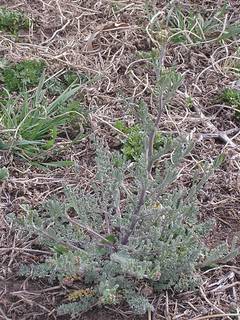
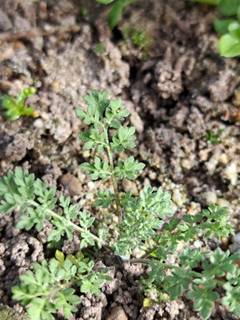
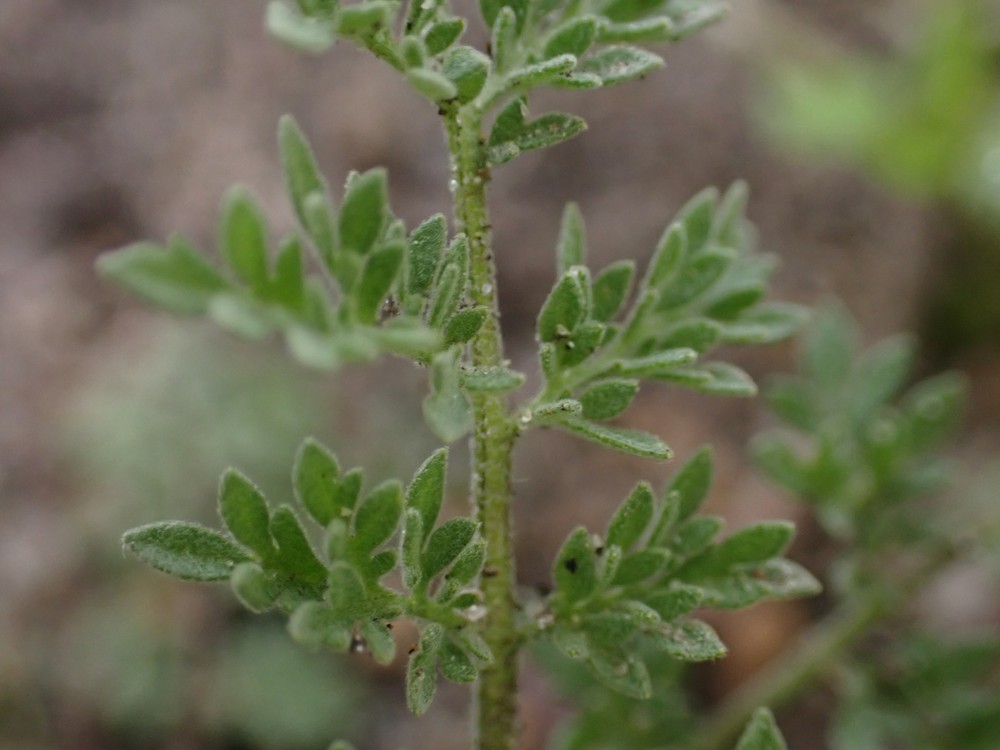
A slender annual or winter annual growing 1–3 feet (30–90 cm) tall, with an upright, branching stem. Leaves are alternate, two to three times divided into narrow segments, 1–4 inches (2.5–10 cm) long, giving a feathery, finely dissected appearance, and gray-green with short hairs. Tiny pale yellow four-petaled flowers, under 0.1 inch (2–3 mm) across, open in elongating clusters at the branch tips. Bloom occurs from April to July. Each flower is followed by a narrow, curved seed pod 0.5–1.5 inches (1.3–4 cm) long held upright along the stem, containing many small orange-brown seeds. The plant germinates in fall or early spring, completes its cycle in one season, and dies after seed set. A single plant can produce tens of thousands of seeds. It grows quickly in disturbed, dry soils and is widely naturalized outside its native range.
Native Range
Native to Europe, North Africa, and western Asia. Widely naturalized across North America, where it grows in disturbed ground, fields, rangeland, roadsides, and croplands on dry, open soils in full sun. It is treated as a weed in many agricultural regions.Suggested Uses
Not grown as an ornamental; it appears as a volunteer weed in fields, gardens, and disturbed sites. The early flowers supply pollen and nectar to small bees, and the seeds are eaten by birds. It is managed as a weed rather than planted.How to Identify
Appearance
Size & Dimensions
Height1' - 3'
Width/Spread6" - 1'6"
Colors
Bloom Information
Detailed Descriptions
Foliage Description
Gray-greenGrowing Conditions
Sun Requirements
Requires 6-12 hours of direct sunlight daily
• Full Sun: 6+ hours of direct sunlight
• Partial Shade: 3-6 hours of direct sunlight
• Full Shade: Less than 3 hours of direct sunlight
Water & Climate
Water Needs
Drought Tolerance
Drought tolerant when established