Image 1 of 4
1 / 4
Plant Reference
Descurainia, Genus, spp., Multiple species,
- Genus
- Multiple species
tansy mustard
Variable by species; D. sophia native to Eurasia; D. pinnata native to western North America
Overview
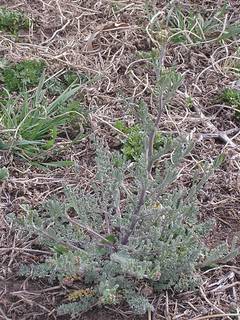
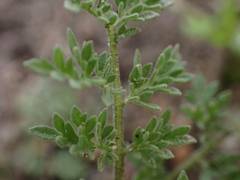
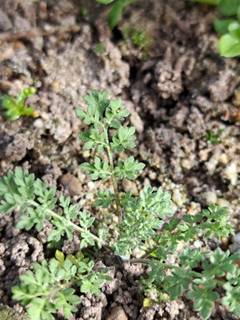
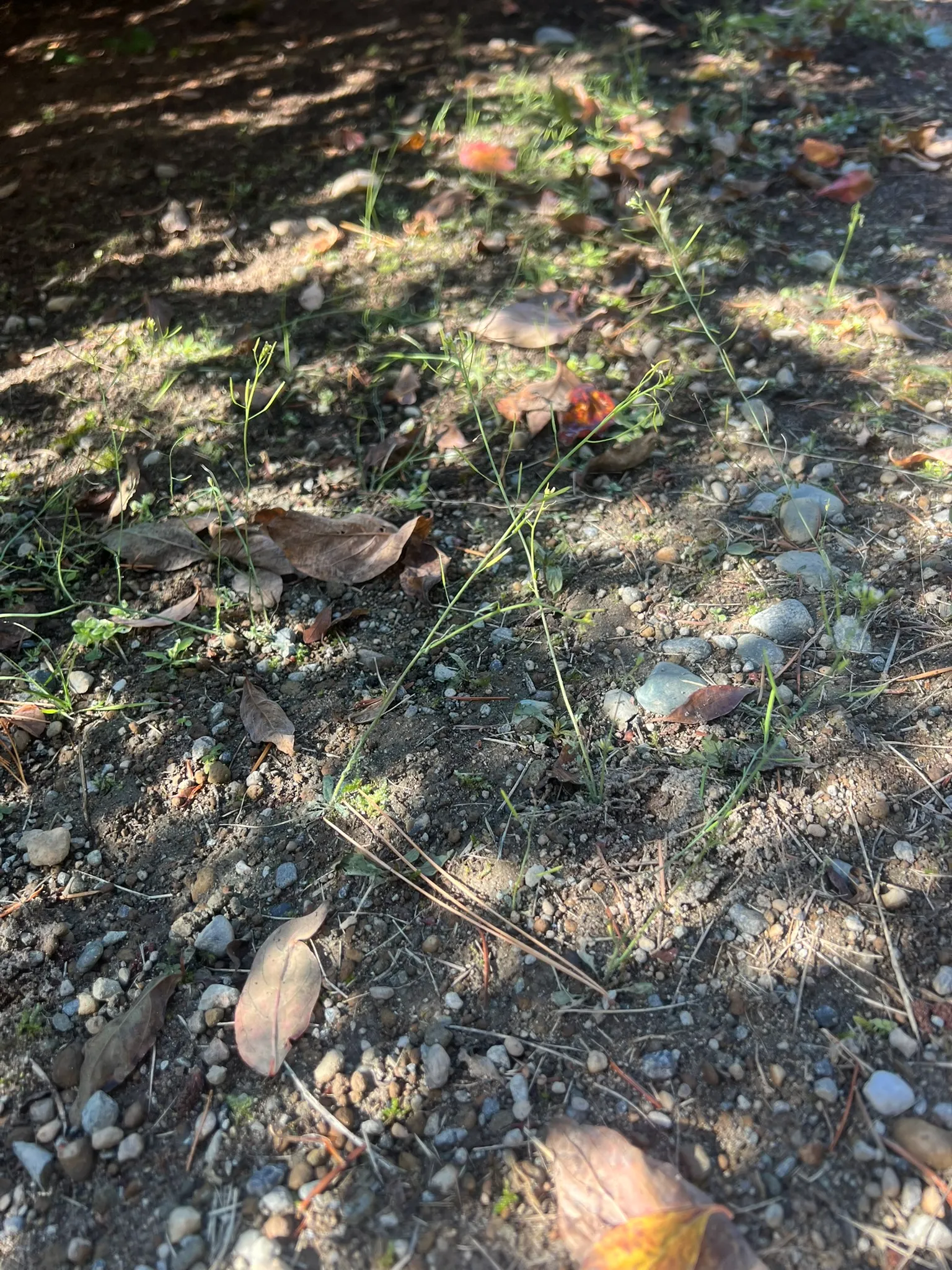
Descurainia spp. (tansy mustards) are winter annuals or biennials in the family Brassicaceae reaching 12-36 inches (30-90 cm) tall and 6-18 inches (15-45 cm) wide. The genus includes both introduced species such as D. sophia (flixweed) and native species such as D. pinnata (western tansy mustard). Plants form a basal rosette of 2-3 times pinnately dissected leaves 2-5 inches (5-13 cm) long, gray-green, covered in short stellate (star-shaped) hairs. Flowering stems are erect, branching in the upper half, carrying progressively smaller finely divided leaves. Flowers are small pale yellow four-petaled, 0.08-0.12 inch (2-3 mm) across, in terminal racemes. Fruit is a slender ascending silique 0.4-1 inch (10-25 mm) long, depending on species. D. sophia produces siliques 0.6-1 inch (15-25 mm) long carrying 20-40 tiny reddish-brown seeds; a single plant produces 10,000-100,000 seeds. Seeds contain glucosinolates and can accumulate toxic levels of nitrates and sulfur compounds. Livestock ingestion of large quantities causes pulmonary emphysema and blindness (polioencephalomalacia) in cattle. Fall-germinating seedlings overwinter as rosettes and bolt in spring.
Native Range
The genus Descurainia includes both native and introduced species in North America. D. sophia (flixweed) is native to Eurasia and northern Africa, now widely naturalized across North America in disturbed dry sites from sea level to approximately 8,500 feet (2,600 m). D. pinnata (western tansy mustard) is native to western North America. Both species occur in the Pacific Northwest in rangeland, roadsides, cultivated fields, and waste areas.Suggested Uses
Used in rangeland weed identification and livestock toxicology training. Studied in dryland weed ecology and Brassicaceae taxonomy courses. Native Descurainia species are host plants for the sara orangetip butterfly (Anthocharis sara) and other pierid butterflies in western North America.How to Identify
Appearance
Size & Dimensions
Height1' - 3'
Width/Spread6" - 1'6"
Bloom Information
Terminal racemes of small pale yellow four-petaled flowers 0.08-0.12 inch (2-3 mm) across, borne April through July over 2-3 weeks per raceme, with flowers opening from the bottom upward. Peak bloom in the Pacific Northwest falls in May through June. Seeds mature 3-4 weeks after pollination. Self-pollinating. Siliques are indehiscent or weakly dehiscent, releasing seeds near the parent plant.
Detailed Descriptions
Flower Description
Pale yellow; four-petaled; 0.08-0.12 inch (2-3 mm) across; borne in terminal racemes; April-JulyFoliage Description
Gray-green to green; 2-3 times pinnately dissected with narrow segments; covered in short stellate (star-shaped) hairs; deciduousGrowing Conditions
Sun Requirements
Requires 6-12 hours of direct sunlight daily
• Full Sun: 6+ hours of direct sunlight
• Partial Shade: 3-6 hours of direct sunlight
• Full Shade: Less than 3 hours of direct sunlight