Image 1 of 10
1 / 10
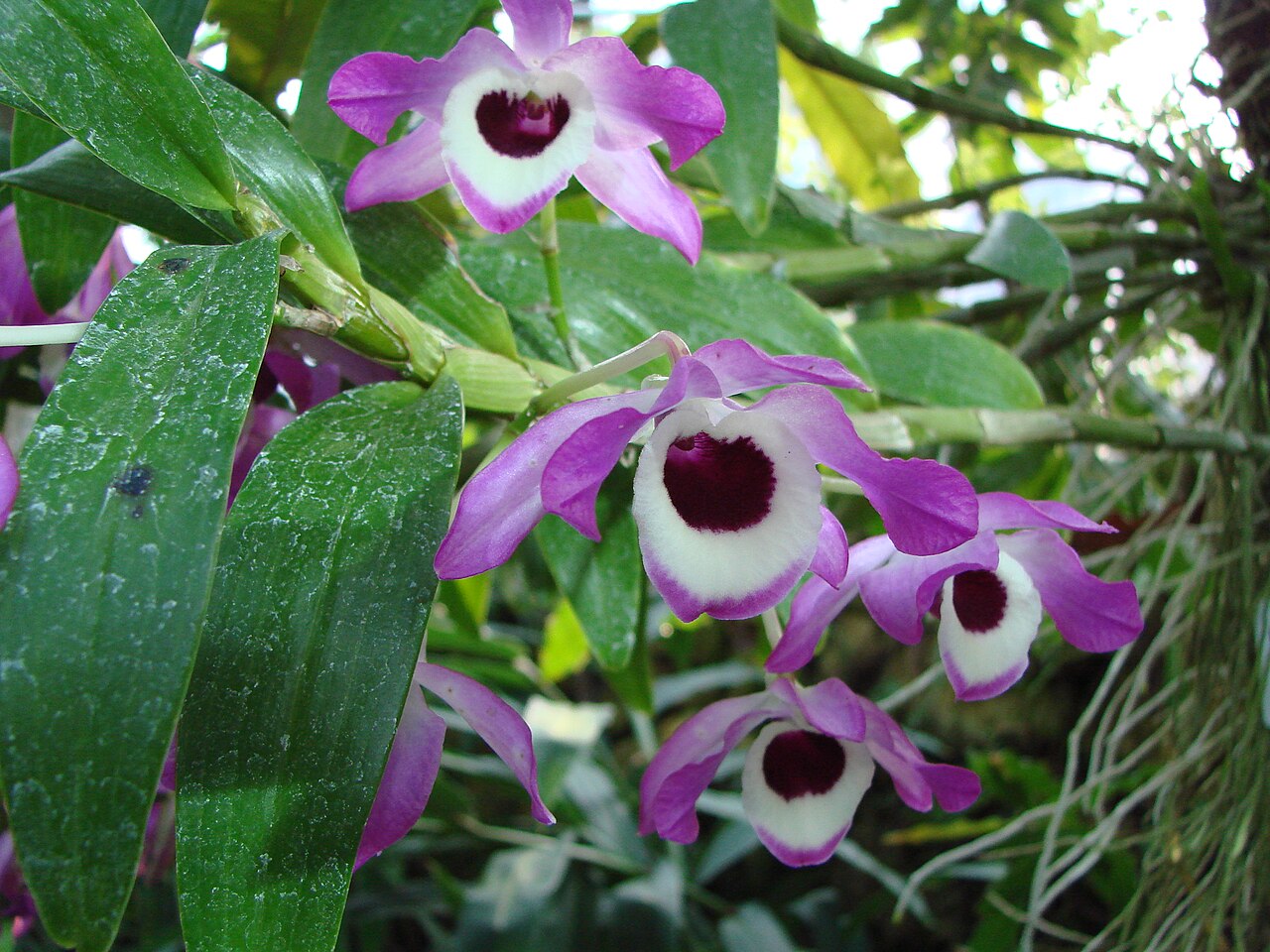
© Guérin Nicolas ( messages ) 22:25, 25 September 2008 (UTC), some rights reserved (CC-BY-SA) · Wikimedia Commons
Dendrobium, Genus, nobile, Species,
- Genus & species
Noble dendrobium
Eastern Himalayas, Southeast Asia, and southern China
Overview
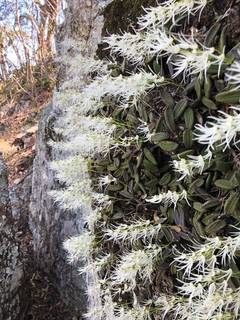
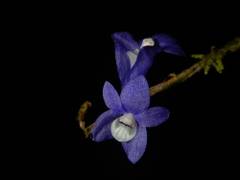
Dendrobium nobile is a perennial epiphytic and lithophytic orchid in the orchid family (Orchidaceae), forming clumps of upright, jointed canes 12–24 inches (30–60 cm) tall. Canes are yellow-green to gray-green, swollen at the nodes, and grooved with age. Leaves are alternate, lance-shaped to oblong, 3–5 inches (7–12 cm) long, borne along the upper canes, and drop from canes in the second year. Flowers are 2–3 inches (5–8 cm) wide, borne 2–4 per node along the leafless upper canes, with white to pale pink petals tipped magenta-purple and a dark maroon blotch in the throat of the lip; they have a light honey scent. Plants need a cool, dry rest of 6–8 weeks at night temperatures of 50–55°F (10–13°C) to form flower buds. Leaves and canes are damaged below 35°F (2°C). Growth is slow, adding 1–3 new canes per year. The cool-rest requirement limits flowering on plants kept in warm homes year-round.
Native Range
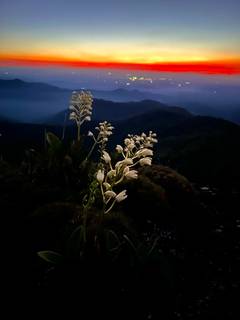
Dendrobium nobile is native to the eastern Himalayas, including Nepal, Bhutan, and northeastern India, and to Myanmar, Thailand, Laos, Vietnam, and southern China. It grows on tree trunks and rocks in open forests at elevations of 1,600–5,600 feet (500–1,700 m).Suggested Uses
Grown as a potted indoor and greenhouse plant on windowsills with east or south exposure, and mounted on cork bark or tree fern slabs in warm climates. Canes are used in traditional Chinese medicine under the name shi hu.How to Identify
Appearance
Size & Dimensions
Height1' - 2'
Width/Spread1' - 1'6"
Bloom Information
Flowers open from February to April on canes that are one or more years old, with 2–4 flowers per node. Individual flowers last 3–5 weeks. Flower buds form after a 6–8 week rest at night temperatures of 50–55°F (10–13°C), with water reduced to once every 2–3 weeks.
Detailed Descriptions
Flower Description
White to pale pink with magenta-purple tips and a maroon throatFoliage Description
GreenGrowing Conditions
Sun Requirements
Requires 3-6 hours of direct sunlight daily
• Full Sun: 6+ hours of direct sunlight
• Partial Shade: 3-6 hours of direct sunlight
• Full Shade: Less than 3 hours of direct sunlight
Care & Maintenance
Care Guide
Grows in bright, indirect light with 3–6 hours of direct morning sun in a bark-based, fast-draining medium with a pH of 5.5–6.5. Hardy outdoors in USDA zones 10–11 and kept above 35°F (2°C). From April to September, water is applied 1–2 times per week and a balanced fertilizer at half strength every 2 weeks. From October to January, water is reduced to once every 2–3 weeks and fertilizer is withheld. Plants flower on canes held in pots 4–6 inches (10–15 cm) wide with crowded roots. Scale, mealybugs, and aphids affect plants.Pruning
Pruning is limited to removing shriveled, brown canes at the base with sterilized shears. Canes flower for 2–3 years after the first flowering. Plantlets (keikis) that form on old canes are removed once roots reach 2 inches (5 cm) long.Pruning Schedule
Prune: May–June
late spring
Container Growing
Suitable for container growing
Minimum container size: 1 gallons