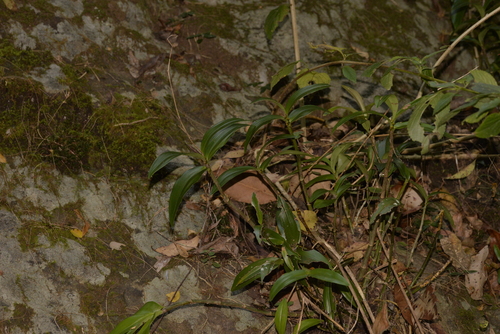
Dendrobium, Genus, kingianum, Species,
- Genus & species
pink rock orchid
Eastern Australia (New South Wales to south-eastern Queensland)
Overview
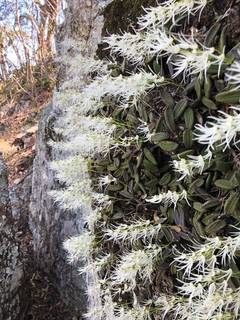
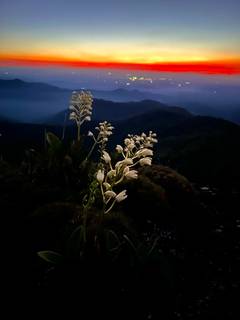
Dendrobium kingianum is a clump-forming lithophytic orchid of the family Orchidaceae, growing on rocks and occasionally on trees. It forms tapering pseudobulbs, or canes, 2–12 inches (5–30 cm) tall, each topped by two to five leathery leaves 1.5–4 inches (4–10 cm) long. In late winter and spring the canes carry arching sprays of 3–15 flowers, each 0.5–1 inch (12–25 mm) across and ranging from pale pink and mauve to white, sometimes with darker spotting in the throat. The flowers are lightly fragrant. Old canes often produce plantlets, or keikis, that root and form new clumps. D. kingianum grows on exposed rock faces and boulders in open forest along the ranges of eastern Australia, from New South Wales into Queensland. It tolerates a wide temperature range and brief dryness but rots in stagnant, waterlogged conditions. Flowering is reduced when the plant is kept too shaded or too wet.
Native Range
Native to eastern Australia, growing on rock faces, boulders, and occasionally trees in open forest along the ranges from New South Wales into south-eastern Queensland.Suggested Uses
Used as a container and rockery orchid in frost-light gardens, on slabs, and in hanging baskets. Suited to bright, airy positions with sharp drainage. Grown in clumps that increase over time.How to Identify
Appearance
Size & Dimensions
Height4" - 1'6"
Width/Spread8" - 2'
Bloom Information
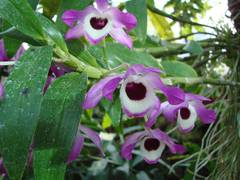
Arching sprays of 3–15 flowers open in late winter and spring (July–October in the native range). The flowers are 0.5–1 inch (12–25 mm) across, pale pink to mauve or white, and lightly fragrant. Flowering lasts three to five weeks on a well-grown clump.
Detailed Descriptions
Flower Description
pale pink to mauve or whiteFoliage Description
greenGrowing Conditions
Sun Requirements
Requires 2-5 hours of direct sunlight daily
• Full Sun: 6+ hours of direct sunlight
• Partial Shade: 3-6 hours of direct sunlight
• Full Shade: Less than 3 hours of direct sunlight
Care & Maintenance
Care Guide
Grow Dendrobium kingianum in bright, filtered light in a very open, free-draining medium such as coarse bark or on rock. It needs good air movement, regular water during the warm growing season, and a drier, cooler rest in winter to set flowers. Stagnant moisture and dense, water-holding mixes cause the canes to rot. The plant tolerates a wide temperature range, from light frost to subtropical heat, when kept dry at the roots in cold spells. Propagation is by division or by removing rooted keikis from old canes. In cultivation it suits pots, hanging baskets, slabs, and rockeries.Pruning
Dead canes and spent flower spikes can be removed at the base. Rooted plantlets can be detached and potted to make new plants. No other pruning is needed.Container Growing
Suitable for container growing
Minimum container size: 1 gallons