Cyrtomium, Genus, macrophyllum, Species,
- Genus & species
large-leaved holly fern
Eastern Asia (Japan and China to Himalayas; moist shaded forest understories and rocky slopes)
Overview
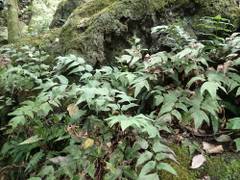
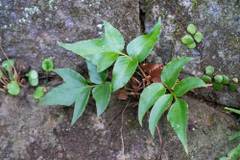
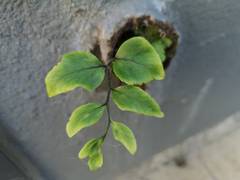
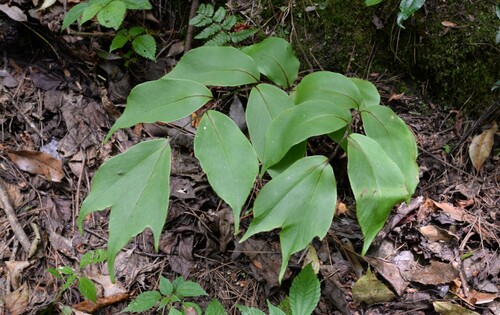
Cyrtomium macrophyllum is a clumping evergreen fern in the wood-fern family (Dryopteridaceae) reaching 18–24 inches (45–60 cm) tall with a spread of 18–24 inches (45–60 cm). This species carries the largest individual pinnae of any Cyrtomium — broadly ovate to rounded, 3–6 inches (8–15 cm) long and 2–3 inches (5–8 cm) wide, with smooth to slightly wavy margins. Pinnae are matte, medium to dark green, and thinner-textured than those of C. falcatum. The fewer but larger pinnae (typically 3–6 pairs per frond versus 8–15 pairs in most other Cyrtomium species) give the fronds an open bold-textured appearance that reads differently from the denser fronds of related holly-fern species. Fronds are 12–20 inches (30–50 cm) long. New fronds emerge from a central crown of brown scaly stipes. Growth rate is slow to moderate. Less commonly cultivated than C. falcatum or C. fortunei in the horticultural trade. Hardy to zone 7. The large broad pinnae make this the boldest-textured holly fern in the genus.
Native Range
Cyrtomium macrophyllum is native to eastern Asia, from Japan and China to the Himalayas, where it occurs in moist shaded forest understories and rocky slopes.Suggested Uses
Grown in shade gardens, woodland borders, and sheltered foundation plantings at 18–24 inch (45–60 cm) spacing. The bold large-pinnae texture contrasts with thin-textured ferns such as Adiantum and with small-leaved shade perennials. Container culture works in 3 gallon (11 L) or larger pots with consistent moisture. The uncommon status in the horticultural trade makes this a collector's fern for shade-garden specialists. Full-sun positions, dry planting sites, exposed windy locations, and zones colder than 7 are not suitable given the moisture requirements and the thin-textured pinnae.How to Identify
Appearance
Size & Dimensions
Height1'6" - 2'
Width/Spread1'6" - 2'
Bloom Information
Ferns do not flower. Spores are produced in round sori on the undersides of fertile fronds, covered by peltate indusia. Spore dispersal occurs in late summer to early fall.
Detailed Descriptions
Foliage Description
Medium to dark green matte surface; very large broadly ovate pinnae 3-6 inches long and 2-3 inches wideGrowing Conditions
Sun Requirements
Requires 1-4 hours of direct sunlight daily
• Full Sun: 6+ hours of direct sunlight
• Partial Shade: 3-6 hours of direct sunlight
• Full Shade: Less than 3 hours of direct sunlight
Care & Maintenance
Care Guide
Grows in partial to full shade in moist well-drained humus-rich soil at pH 5.5–7.0, tolerating loam. Hardy to zone 7 with winter crown mulching. Less drought-tolerant than C. falcatum; consistent moisture is required for long-term persistence. Drying wind exposure produces desiccation damage on the large thin pinnae, which show water stress faster than the leathery pinnae of C. falcatum; sheltered planting positions hold the fronds in better condition. Slow to establish — 2–3 years for full mature size. No serious pest or disease problems. Old or tattered fronds are removed in early spring before new crosiers emerge.Pruning
Old, tattered, or winter-damaged fronds are removed in early spring (February–March) before new crosiers emerge. No other pruning is required.Pruning Schedule
Prune: March
early spring
Container Growing
Suitable for container growing
Minimum container size: 3 gallons