Cyrtomium, Genus, fortunei, Species,
- Genus & species
Fortune's holly fern
Eastern Asia (Japan, Korea, China to Vietnam)
Overview
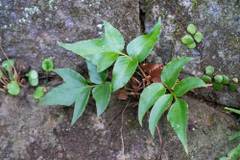
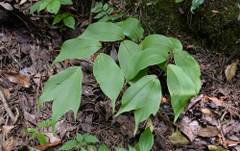
Cyrtomium fortunei is a clumping, evergreen to semi-evergreen fern reaching 18–30 inches (45–75 cm) tall with a spread of 24–36 inches (60–90 cm). The fronds are pinnate, 18–30 inches (45–75 cm) long, with narrower, more pointed pinnae than C. falcatum—each pinna is lance-shaped, 2–4 inches (5–10 cm) long, with a matte to slightly glossy, pale to medium green surface. The narrower pinnae and paler color give this species a lighter, more graceful appearance than the bold, glossy C. falcatum. The frond texture is thinner and less leathery. New fronds emerge from a central crown of brown, scaly stipes. Growth rate is moderate. This is the most cold-hardy Cyrtomium—reliable to zone 5 (−20°F / −29°C)—significantly hardier than C. falcatum (zone 6). The foliage is semi-evergreen in cold zones, with fronds persisting into winter but often becoming tattered by late winter. Less drought-tolerant than C. falcatum.
Native Range
Cyrtomium fortunei is native to eastern Asia, from Japan, Korea, and China to Vietnam, in shaded forest understories and rocky slopes. Named for plant collector Robert Fortune.Suggested Uses
Planted in shade gardens, woodland borders, and foundation plantings at 24–30 inch (60–75 cm) spacing. The cold hardiness (zone 5) extends holly fern use into colder climates where C. falcatum is not reliable. The lighter, more graceful texture pairs with bold-leaved hostas and hellebores. Functions in containers of at least 3 gallons (11 L). Not suitable for full sun, dry sites, or hot inland climates.How to Identify
Appearance
Size & Dimensions
Height1'6" - 2'6"
Width/Spread2' - 3'
Bloom Information
Ferns do not flower. Spores are produced in round sori on the undersides of fertile fronds, covered by peltate indusia.
Detailed Descriptions
Foliage Description
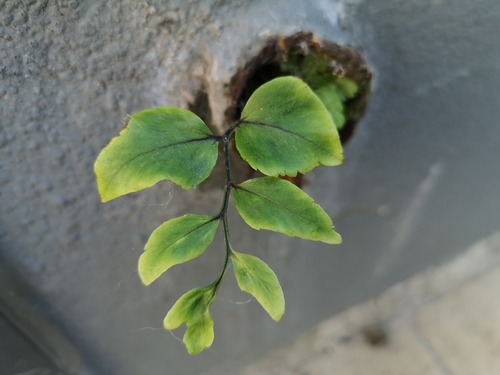
Pale to medium green, matte, lance-shaped pinnae with smooth marginsGrowing Conditions
Sun Requirements
Requires 1-4 hours of direct sunlight daily
• Full Sun: 6+ hours of direct sunlight
• Partial Shade: 3-6 hours of direct sunlight
• Full Shade: Less than 3 hours of direct sunlight
Care & Maintenance
Care Guide
Plant in partial to full shade in moist, well-drained, humus-rich soil. Consistent moisture—less drought-tolerant than C. falcatum. The most cold-hardy Cyrtomium (zone 5). Semi-evergreen in zones 5–6; the fronds persist into winter but may become tattered. Remove old fronds in early spring before new growth. No serious pest or disease problems.Pruning
Remove old, tattered, or winter-damaged fronds in early spring before new crosiers emerge. In cold zones, all fronds may need removal; in mild zones, only damaged ones.Pruning Schedule
Prune: March
early spring
Container Growing
Suitable for container growing
Minimum container size: 3 gallons