Cyrtomium, Genus, falcatum, Species,
- Genus & species
Japanese holly fern
Eastern Asia (Japan, Korea, China south to Himalayas; rocky shaded habitats including coastal cliffs, forest understories, stone walls); naturalized in parts of the southeastern United States and coastal Europe
Overview
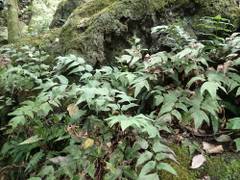
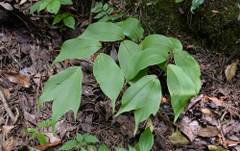
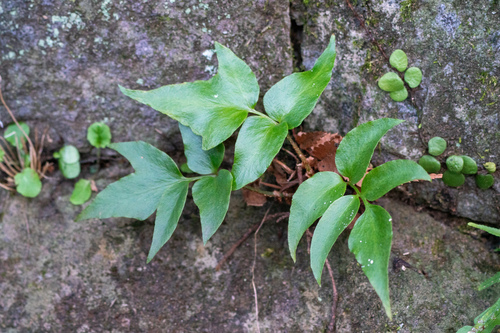
Cyrtomium falcatum is a clumping evergreen fern in the wood-fern family (Dryopteridaceae) reaching 18–30 inches (45–75 cm) tall with a spread of 24–36 inches (60–90 cm). This species appears in nursery catalogs and garden-center inventories more frequently than the other Cyrtomium taxa and is the most durable member of the genus for temperate-climate shade gardens. Fronds are pinnate, 18–30 inches (45–75 cm) long, with characteristic pinnae that are broadly sickle-shaped (falcate), 2–4 inches (5–10 cm) long, with smooth margins and a conspicuously glossy dark-green leathery surface. The glossy sheen gives the fronds a polished appearance that reads as uncommon among ferns, which typically carry matte or lightly-textured surfaces. New fronds emerge from a central crown of brown scaly stipes. The plant forms a vase-shaped to arching clump at maturity. Growth rate is moderate. Hardy to zone 6, which is the coldest-tolerant Cyrtomium in cultivation. Tolerates dry shade once established — a trait uncommon among ferns, most of which require consistent moisture. Salt-spray tolerance extends use to coastal shade gardens. The species can naturalize from spore in mild climates including parts of the southeastern United States and coastal Europe.
Native Range
Cyrtomium falcatum is native to eastern Asia, from Japan, Korea, and China south to the Himalayas, where it occurs in rocky shaded habitats including coastal cliffs, forest understories, and stone walls. The species has naturalized in parts of the southeastern United States and along coastal European shorelines.Suggested Uses
Grown in shade gardens, woodland borders, foundation plantings, and coastal gardens at 24–30 inch (60–75 cm) spacing. The glossy dark-green leathery fronds carry year-round evergreen structure in mild-climate beds where deciduous ferns leave a bare winter gap. Dry-shade tolerance matches the planting niche under mature deciduous trees where root competition and summer soil drying eliminate most fern options. Container culture works in 3 gallon (11 L) or larger pots. Salt-spray tolerance suits seaside plantings. Pairing with Hosta, Heuchera, and woodland bulbs produces a mixed shade-garden composition with the fern as the evergreen structural anchor. Full-sun positions and hot dry inland sites are not suitable; the species requires shade for long-term persistence.How to Identify
Appearance
Size & Dimensions
Height1'6" - 2'6"
Width/Spread2' - 3'
Bloom Information
Ferns do not flower. Spores are produced in round sori on the undersides of fertile fronds, covered by peltate indusia. Spore dispersal occurs in late summer to early fall.
Detailed Descriptions
Foliage Description
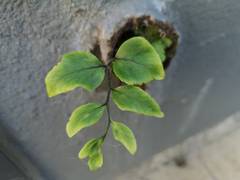
Glossy dark green leathery sickle-shaped pinnae with smooth margins; pinnate fronds 18-30 inches longGrowing Conditions
Sun Requirements
Requires 1-4 hours of direct sunlight daily
• Full Sun: 6+ hours of direct sunlight
• Partial Shade: 3-6 hours of direct sunlight
• Full Shade: Less than 3 hours of direct sunlight
Care & Maintenance
Care Guide
Grows in partial to full shade in moist well-drained soil at pH 5.5–7.0, tolerating loam. Hardy to zone 6. Established plants tolerate dry shade, which is uncommon among ferns — most garden ferns fail in dry-shade conditions, while C. falcatum carries root structure and leathery pinnae that resist desiccation. Consistent moisture produces the largest fronds and the most vigorous crown. Salt-spray tolerance supports coastal garden placement. Winter mulching the crown in zones 6–7 protects against hard freezes. The leathery glossy fronds resist wind damage more reliably than the delicate fronds of most fern species. Scale insects can occasionally develop on stressed plants. No other serious pest or disease problems.Pruning
Old, tattered, or winter-damaged fronds are removed in early spring (February–March) before new crosiers emerge. No other pruning is required. The central crown structure regenerates new fronds each spring and does not benefit from structural cuts during the growing season.Pruning Schedule
Prune: March
early spring
Container Growing
Suitable for container growing
Minimum container size: 3 gallons