Cymbopogon, Genus, refractus, Species,
- Genus & species
barbwire grass
Overview
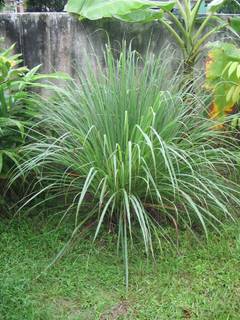
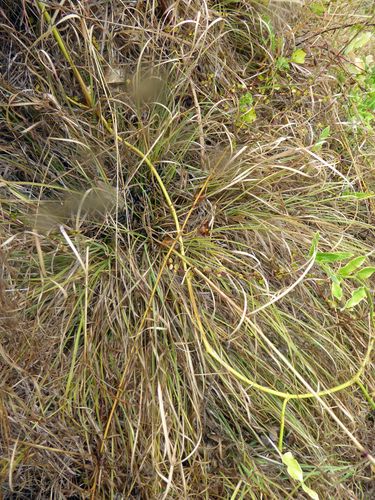
Cymbopogon refractus is a tufted perennial grass forming clumps 12-32 inches (30-80 cm) tall, with narrow blue-green to grey-green leaves that release a faint lemon scent when crushed. The flowering stems carry paired seed-bearing branches that, as they mature, bend back and outward at sharp angles, giving the seed head a barbed-wire appearance. Flowering occurs in summer and autumn, the heads ageing from green to straw-brown. The leaves are flat to slightly rolled, 8-20 inches (20-50 cm) long and about 0.1-0.2 inch (3-5 mm) wide, dying back to the base in cold or very dry periods. The clump regrows from its base each season and self-seeds in open ground. It withstands drought and poor soils but is less leafy and shorter on hard, compacted sites.
Native Range
Native to eastern and northern Australia, widespread from Tasmania through New South Wales and Queensland to the Northern Territory. Grows in open woodland, grassland, and disturbed roadsides on a wide range of soils, from sea level to inland ranges.Suggested Uses
Grown in native grass plantings, meadow gardens, and dry banks for erosion control, spaced 18-24 inches (45-60 cm) apart. Suits low-water and revegetation plantings on poor soils. The barbed seed heads are used in dried arrangements.How to Identify
Appearance
Size & Dimensions
Height1' - 2'8"
Width/Spread1' - 2'
Bloom Information
Detailed Descriptions
Flower Description
green to straw-brownFoliage Description
blue-greenGrowing Conditions
Sun Requirements
Requires 6-12 hours of direct sunlight daily
• Full Sun: 6+ hours of direct sunlight
• Partial Shade: 3-6 hours of direct sunlight
• Full Shade: Less than 3 hours of direct sunlight
Care & Maintenance
Care Guide
Grows in full sun in most free-draining soils, including poor and sandy ground, and tolerates drought once established. Water new plantings until the clump establishes; mature plants survive on rainfall in most climates. It self-seeds in open ground and can spread into garden beds and pasture. Foliage dies back in cold or dry spells and regrows from the base when conditions ease. Frost-hardy to about 20°F (-7°C) at the crown. Cutting clumps back in late winter clears old growth before the new season.Pruning
Clumps are cut back to about 4 inches (10 cm) in late winter to remove dead foliage and old seed heads before spring growth. Spent flowering stems can be trimmed through the season to limit self-seeding. No other pruning is needed.Pruning Schedule
Prune: July–August
winter