Cymbopogon, Genus, citratus, Species,
- Genus & species
lemongrass
Tropical Southeast Asia (native); naturalized in many warm regions worldwide
Overview
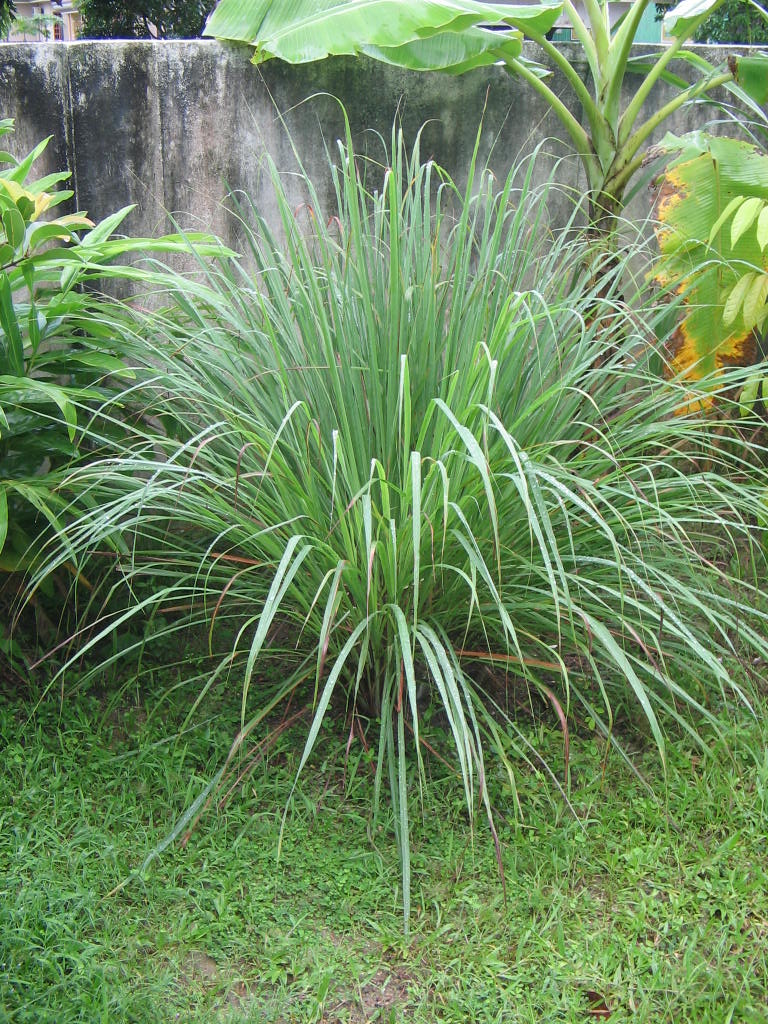
Cymbopogon citratus is a clumping aromatic perennial grass in the grass family (Poaceae) reaching 36–60 inches (90–150 cm) tall and 24–36 inches (60–90 cm) wide. The plant forms dense tufts of linear sword-like leaves that arch outward from the base in a fountain-like form. Multiple tillers emerge from the base, and leaves are flat, narrow, 0.5–1 inch (12–25 mm) wide and 36–60 inches (90–150 cm) long, with sharp edges and a blue-green to gray-green color. The foliage releases a strong citrus fragrance when crushed or brushed against. Pseudostems at the base are thick, bulbous, and pale green to white — these are the parts harvested for culinary use. The species rarely flowers in cultivation outside tropical climates; tall feathery flower spikes form only in warm tropical conditions. The intense lemon scent and the swollen base of the stems separate this grass from non-aromatic ornamental grasses.
Native Range
Cymbopogon citratus is native to tropical regions of Southeast Asia — particularly Malaysia, Thailand, and southern India. The species has been cultivated for centuries throughout tropical and subtropical Asia and has naturalized in many warm regions worldwide including parts of Africa, South America, and the Caribbean.Suggested Uses
Grown as a culinary herb, ornamental accent, and fragrant border specimen in herb gardens, containers, and tropical-style landscapes where the architectural form and citrus fragrance add interest. Used in Asian cuisine, herbal teas, and aromatherapy. The plant carries some natural pest-deterrent properties and can be planted near outdoor seating areas for its mosquito-repelling reputation.How to Identify
Appearance
Size & Dimensions
Height3' - 5'
Width/Spread2' - 3'
Bloom Information
The species rarely flowers in cultivation outside tropical climates. Where flowering does occur, tall feathery panicles open in late summer in warm tropical conditions. In Pacific Northwest container culture, plants typically remain vegetative.
Detailed Descriptions
Flower Description
Cream to pale brown; tall feathery panicles; rarely produced in cultivationFoliage Description
Blue-green to gray-green; flat narrow sword-like leaves with sharp edges arching outward in a fountain formGrowing Conditions
Sun Requirements
Requires 6-10 hours of direct sunlight daily
• Full Sun: 6+ hours of direct sunlight
• Partial Shade: 3-6 hours of direct sunlight
• Full Shade: Less than 3 hours of direct sunlight
Care & Maintenance
Care Guide
Plant in full sun in well-draining fertile soil enriched with organic matter. Consistent moisture supports steady growth, and watering keeps the soil evenly moist but not waterlogged. A balanced diluted liquid fertilizer is applied monthly during the growing season. In cooler climates the species is grown in containers that are moved indoors before temperatures drop below 50°F (10°C). High humidity and protection from strong winds help the long leaves stay intact. The species is hardy only to USDA zones 9–11; in the Pacific Northwest, treat as a tender container plant.Pruning
Pruning takes the form of harvest. Outer stems are cut at ground level to encourage new growth from the center. Dead, damaged, or yellowing leaves are cut back to the base. Clumps are divided every 2–3 years in spring to maintain vigor and prevent overcrowding. For culinary harvest, stems are cut close to the base where the tissue is most tender. In warmer zones, the entire plant is trimmed back by one-third in late winter to promote fresh spring growth.Container Growing
Suitable for container growing
Minimum container size: 5 gallons
Toxicity: Not assessed
Cymbopogon citratus is generally considered safe for human consumption and is widely used as a culinary herb and tea. The species is non-toxic to most pets in small quantities, although large amounts may cause stomach upset. Sharp leaf edges can cause minor cuts; gloves are useful when harvesting or pruning.Planting Guide
Planting Methods & Timing
Planting Method
transplant
Indoor Start
6 weeks before last frost
Direct Sow Timing
Not recommended - typically grown from divisions or transplants
Days to Maturity
90–120 days
Plant Spacing
24 inches
Companion Planting
Avoid Planting With