Cymbopogon, Genus, spp., Multiple species,
- Genus
- Multiple species
lemon grasses
Tropical Asia, Africa, and Australia
Overview
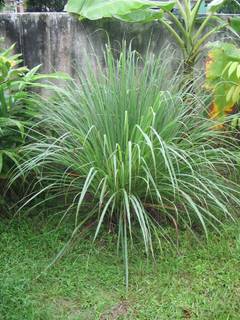
Cymbopogon is a genus of about 55 species of aromatic, clump-forming perennial grasses in the family Poaceae, native to warm regions of Asia, Africa, and Australia. Plants form dense tussocks of arching, blue-green to grey-green blades 0.5-2 m (1.6-6.5 ft) tall, with foliage that smells of lemon, citronella, or related oils when crushed. The aroma comes from essential oils, mainly citral, held in the leaves and stem bases. The genus includes C. citratus, the lemongrass used in cooking, C. flexuosus, grown for lemongrass oil, and C. nardus and C. winterianus, the source of citronella oil used in insect repellents. In the tropics tall, branched flower heads of slender spikelets appear, but plants seldom flower in cooler cultivation. Most species are frost-tender and are grown as annuals or lifted and overwintered indoors outside the tropics. The leaf edges are slightly rough and can graze skin, and clumps spread steadily outward each season.
Native Range
Cymbopogon is native to tropical and subtropical Asia, Africa, and Australia, growing in open grassland, savanna, and seasonally dry hillsides; several species are now grown commercially around the tropics.Suggested Uses
Grown as a culinary herb in C. citratus, as a source of lemongrass and citronella oils, and as a tall, aromatic clumping grass in borders and large containers. Citronella-scented species are planted near seating and paths where brushing the foliage releases the scent. Plants are spaced 0.6-1 m (24-36 in) apart.How to Identify
Appearance
Size & Dimensions
Height1'8" - 6'7"
Width/Spread2' - 4'
Bloom Information
In tropical conditions, loose branched flower heads appear in late summer and autumn, but flowering is rare in temperate gardens and greenhouse culture. The slender spikelets are wind-pollinated and not showy. Plants are grown for their foliage and oils rather than their flowers.
Detailed Descriptions
Flower Description
greenish to strawFoliage Description
grey-green to blue-greenGrowing Conditions
Sun Requirements
Requires 6-10 hours of direct sunlight daily
• Full Sun: 6+ hours of direct sunlight
• Partial Shade: 3-6 hours of direct sunlight
• Full Shade: Less than 3 hours of direct sunlight
Care & Maintenance
Care Guide
Most species grow in full sun on moist, free-draining, fertile soil and respond to warmth, regular water, and feeding through the growing season. They tolerate a pH from slightly acidic to neutral and short dry spells once established, but growth slows sharply in cool weather. Frost-tender species are killed below about 0 C (32 F) and are grown as annuals, in containers, or lifted indoors for winter in cold regions. Clumps enlarge each year and are divided in spring to renew them and increase stock. Pests are few, though rust can mark the leaves in humid, crowded conditions.Pruning
Old and frost-damaged leaves are cut back to near the base in spring as new growth starts. The clump can be trimmed through summer to harvest leaves and keep it within bounds. Division of the crown in spring both renews the planting and yields new starts.Pruning Schedule
Prune: March–April
early spring
Container Growing
Suitable for container growing
Minimum container size: 5 gallons