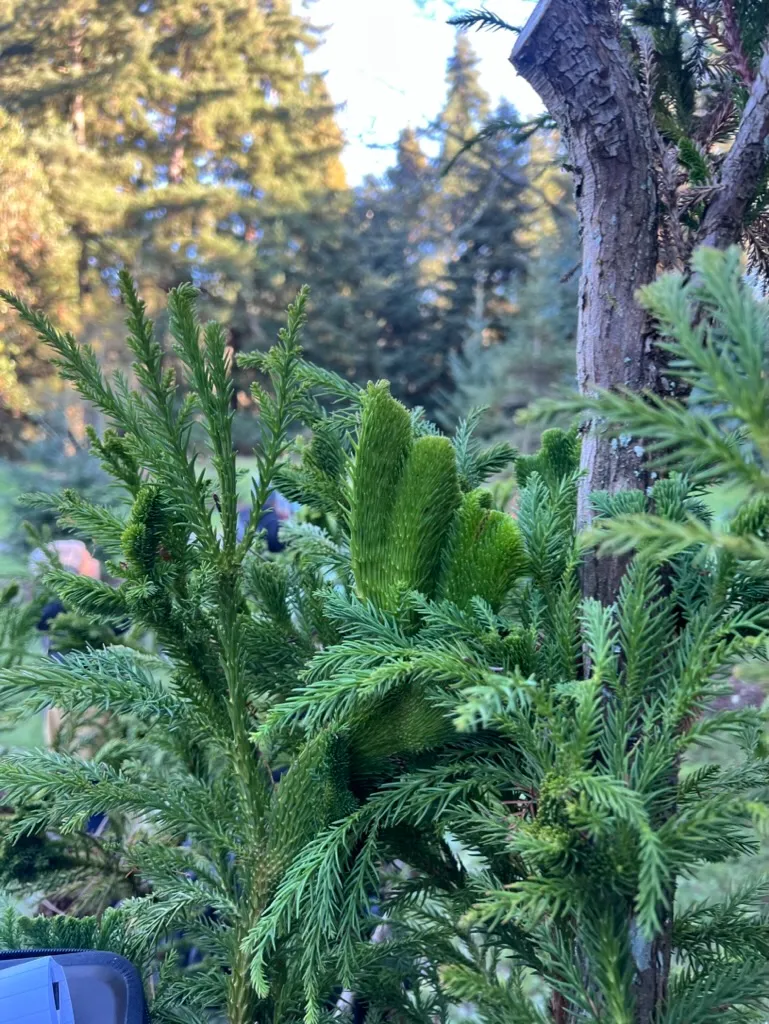
Image 1 of 6
1 / 6
Plant Reference
Cryptomeria, Genus, japonica, Species, 'Cristata', Cultivar,
- Genus & species
- Cultivar
Japanese crested cedar
Japan and central-southern China (species); cultivar of garden origin
Overview
Cryptomeria japonica 'Cristata' is a narrow evergreen conifer reaching 10-20 feet (3-6 m) tall and 6-10 feet (1.8-3 m) wide, far smaller than the 50-foot (15 m) species. Scattered along the branches are fasciated growths in which many shoots fuse into flattened, crested masses resembling a cockscomb, 2-5 inches (5-13 cm) wide. Between these crests the foliage is the awl-shaped, spirally arranged green needles typical of the species, each 0.25-0.5 inch (6-13 mm) long, curving inward toward the shoot. The green deepens through summer and turns bronze-green in cold winters, returning to green in spring. Round brown cones about 0.5-1 inch (1.3-2.5 cm) across ripen in autumn. It grows in full sun to part shade in moist, well-drained, slightly acid soil and is intolerant of drought, drying wind, and waterlogged ground. The crested growths can collect snow and break in heavy storms. Hardy in USDA zones 6-9, this cultivar is grown as a specimen and in mixed conifer and shrub borders.
Native Range
The species Cryptomeria japonica is native to Japan and parts of central and southern China, where it forms tall forests in moist mountain valleys. The cultivar 'Cristata' originated in cultivation and does not occur in the wild.Suggested Uses
Grown as a specimen conifer in small gardens, in mixed conifer and shrub borders, and in Japanese-style plantings, spaced 6-10 feet (1.8-3 m) apart. The crested foliage is also grown in large containers while young.How to Identify
Appearance
Size & Dimensions
Height10' - 20'
Width/Spread6' - 10'
Bloom Information
As a conifer, this cultivar does not flower. Small pollen cones cluster at shoot tips and shed yellow pollen in late winter to early spring. Round brown seed cones about 0.5-1 inch (1.3-2.5 cm) across mature in autumn and release winged seeds.
Detailed Descriptions
Foliage Description
Green, bronzing in cold winters, recovering green in springGrowing Conditions
Sun Requirements
Requires 4-8 hours of direct sunlight daily
• Full Sun: 6+ hours of direct sunlight
• Partial Shade: 3-6 hours of direct sunlight
• Full Shade: Less than 3 hours of direct sunlight
Care & Maintenance
Care Guide
Grow in full sun to part shade in moist, well-drained soil that is neutral to slightly acid, around pH 5.0-7.0. Water regularly during dry spells, since the roots are intolerant of prolonged drought and the foliage browns in drying wind. Shelter from strong cold wind reduces winter bronzing and dieback. Established plants need little feeding beyond a spring mulch. Snow and ice can lodge in the crests and snap branches, so growth is sometimes thinned in regions with heavy snowfall. Hardy in USDA zones 6-9.Pruning
Prune in spring to remove dead, broken, or crowded branches and to show the crested growths. It does not regrow from bare old wood, so cuts stay within green, foliage-bearing shoots. Removing snow-damaged crests keeps the form even.Pruning Schedule
Prune: April
early spring
Container Growing
Suitable for container growing
Minimum container size: 10 gallons
Toxicity
Non-toxicRelated Cryptomeria species
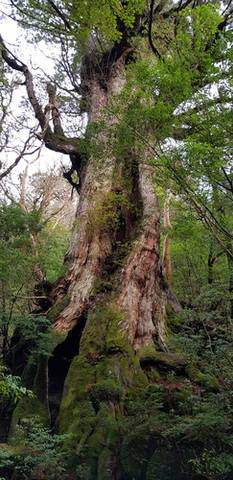 Japanese cedarCryptomeria japonica
 Plume cryptomeriaCryptomeria japonica 'Elegans'
 Dwarf Japanese cedarCryptomeria japonica 'Pygmaea'
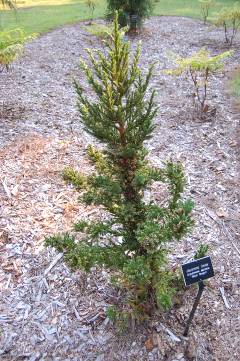 Black dragon Japanese cedarCryptomeria japonica 'Black Dragon'
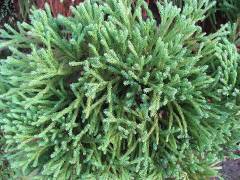 Globe Japanese cedarCryptomeria japonica 'Globosa Nana'
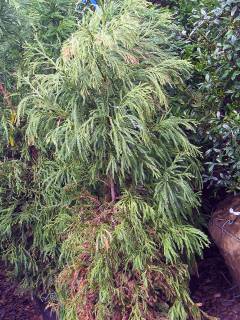 Yoshino Japanese cedarCryptomeria japonica 'Yoshino'