Cryptandra, Genus, amara, Species,
- Genus & species
bitter cryptandra
Overview
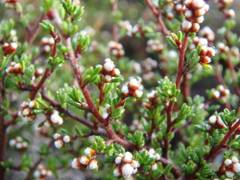
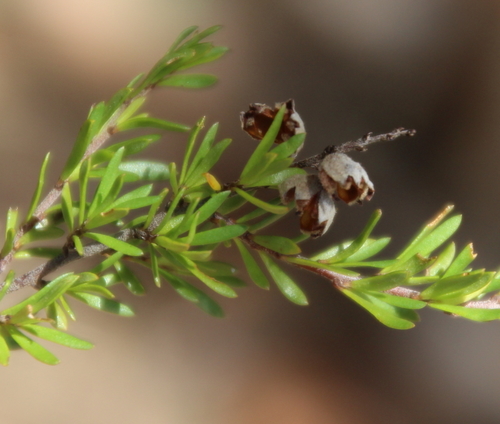
Cryptandra amara is a small evergreen shrub 1-3 feet (0.3-1 m) tall and wide, with a dense, twiggy, often spiny framework of rigid branchlets. The leaves are tiny, 0.1-0.3 inch (2-8 mm) long, narrow and crowded in clusters along the stems, dark green above and paler beneath with inrolled margins. In late winter and spring the stem tips are massed with small white tubular flowers about 0.1-0.2 inch (3-5 mm) long, each backed by papery brown bracts that persist after flowering. C. amara grows in heath, woodland, and rocky sites across south-eastern Australia on well-drained sandy and stony soils. The common name refers to the bitter taste of the foliage. Growth is slow, and the small, wiry habit keeps the plant low and compact. It needs sharp drainage and full sun, and grows poorly in heavy, moist soils or shade.
Native Range
Cryptandra amara is native to south-eastern Australia, occurring in Queensland, New South Wales, Victoria, South Australia, and Tasmania. It grows in heath, woodland, and rocky outcrops on well-drained soils.Suggested Uses
C. amara is grown in rockeries, native gardens, and low-water plantings on well-drained sites, spaced 1-2 feet (0.3-0.6 m) apart. Its low, twiggy form suits exposed coastal and inland positions.How to Identify
Appearance
Size & Dimensions
Height1' - 3'
Width/Spread1' - 3'
Bloom Information
Detailed Descriptions
Foliage Description
dark greenGrowing Conditions
Sun Requirements
Requires 5-8 hours of direct sunlight daily
• Full Sun: 6+ hours of direct sunlight
• Partial Shade: 3-6 hours of direct sunlight
• Full Shade: Less than 3 hours of direct sunlight
Care & Maintenance
Care Guide
C. amara grows in full sun in sharply drained sandy or stony soils. It tolerates dry, exposed positions once established and withstands light frost in USDA zones 9-10. Watering during the first growing season supports establishment, after which little supplementary water is needed. Heavy, wet soils and shade reduce growth and flowering. A low-phosphorus or native-plant fertiliser suits this species.Pruning
Light tip-pruning after flowering keeps the shrub dense and compact. C. amara is slow to regrow from old wood, so hard cutting back is avoided. Spent flowering stems can be trimmed lightly.Pruning Schedule
Prune: October–November
late spring
Container Growing
Suitable for container growing
Minimum container size: 3 gallons