Crepis, Genus, spp., Multiple species,
- Genus
- Multiple species
hawksbeards
Northern Hemisphere (Europe, Asia, North America) and Africa
Overview
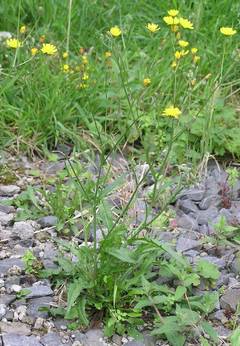
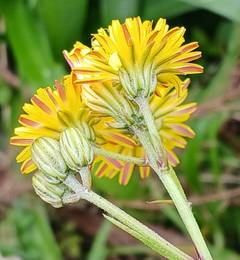
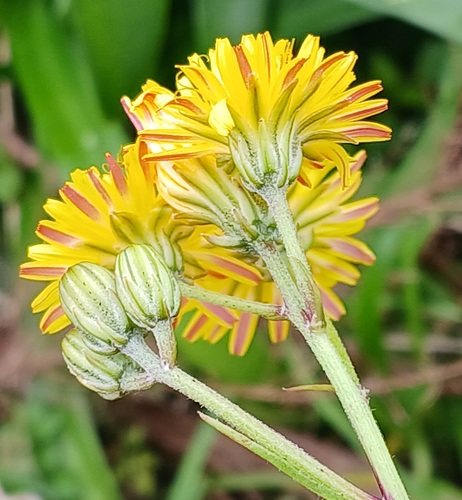
Crepis is a genus of about 200 species of annual, biennial, and perennial herbs in the daisy family (Asteraceae), known as hawksbeards. Plants form a basal rosette of lobed or toothed leaves and exude milky sap when cut, much like the related dandelions. Branched stems 4 inches to 4 feet (10-120 cm) tall carry heads of strap-shaped ray florets, most often yellow but orange or pink in some species, each head resembling a small dandelion. After flowering, the heads ripen into tufts of slender seeds tipped with a parachute of slender white hairs that carry them on the wind. The genus is spread across the Northern Hemisphere and Africa, growing in meadows, grassland, rocky slopes, and disturbed ground, and several species are common lawn and field weeds. A few, such as the pink-flowered C. rubra, are grown as garden annuals. Most species are undemanding, tolerating poor, dry soils and full sun. The free-seeding habit means some hawksbeards spread quickly where conditions suit them.
Native Range
Crepis is native across the temperate and subtropical Northern Hemisphere, including Europe, Asia, and North America, with a number of species in Africa. North America has both native species and many introduced from Eurasia that now grow as weeds.Suggested Uses
Grown in wildflower meadows, naturalistic and pollinator plantings, and gravel and dry gardens for the dandelion-like summer flowers. The pink-flowered C. rubra is used as a border and container annual and as a cut flower. Native species are included in meadow and habitat seed mixes.How to Identify
Appearance
Size & Dimensions
Height4" - 4'
Width/Spread6" - 1'6"
Bloom Information
Most Crepis bloom from late spring through summer, with the heads opening in the morning and closing by afternoon. The flowers draw bees, hoverflies, and butterflies for nectar and pollen. Seed follows quickly, and the wind-borne parachutes scatter widely soon after.
Detailed Descriptions
Flower Description
yellow, orange, or pinkFoliage Description
greenGrowing Conditions
Sun Requirements
Requires 6-10 hours of direct sunlight daily
• Full Sun: 6+ hours of direct sunlight
• Partial Shade: 3-6 hours of direct sunlight
• Full Shade: Less than 3 hours of direct sunlight
Care & Maintenance
Care Guide
Grow Crepis in full sun in average, well-drained soil with a pH of 6.0-7.5; most species tolerate poor, stony, and dry ground once established. Watering is needed mainly during establishment, as established plants are fairly drought tolerant. The genus needs little or no feeding and can become weedy in rich soil. Annual species such as C. rubra are sown in spring where they are to flower, while perennial species return from the rootstock. Removing the seed heads before they ripen limits the spread of self-sown seedlings. The plants have few serious pests or diseases.Pruning
Deadheading the flower stems before the seed parachutes form limits self-seeding and can prompt a second flush in some species. Perennial species are cut back to the rosette in late autumn. Annual species are pulled once they finish flowering and setting seed.Container Growing
Suitable for container growing
Minimum container size: 2 gallons